Last updated November 21, 2026
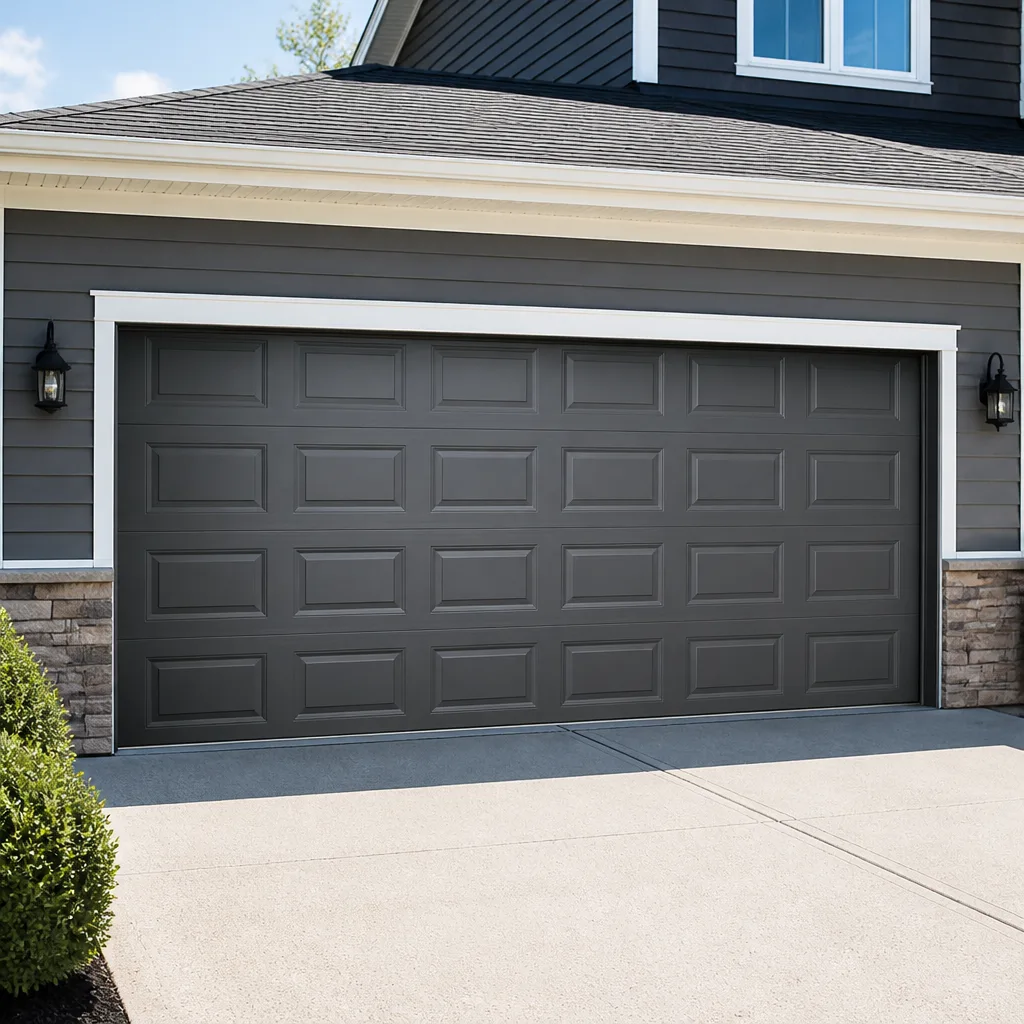 Raised-panel steel
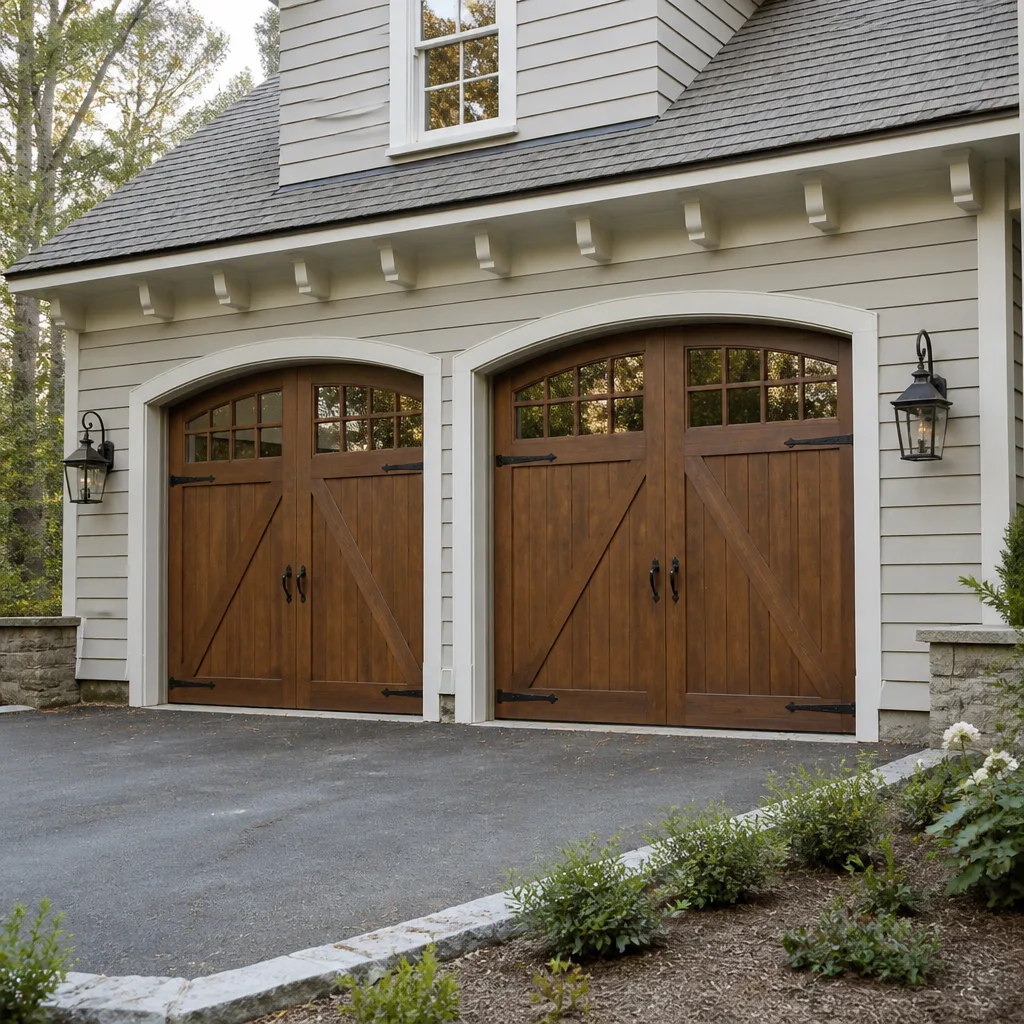 Carriage house
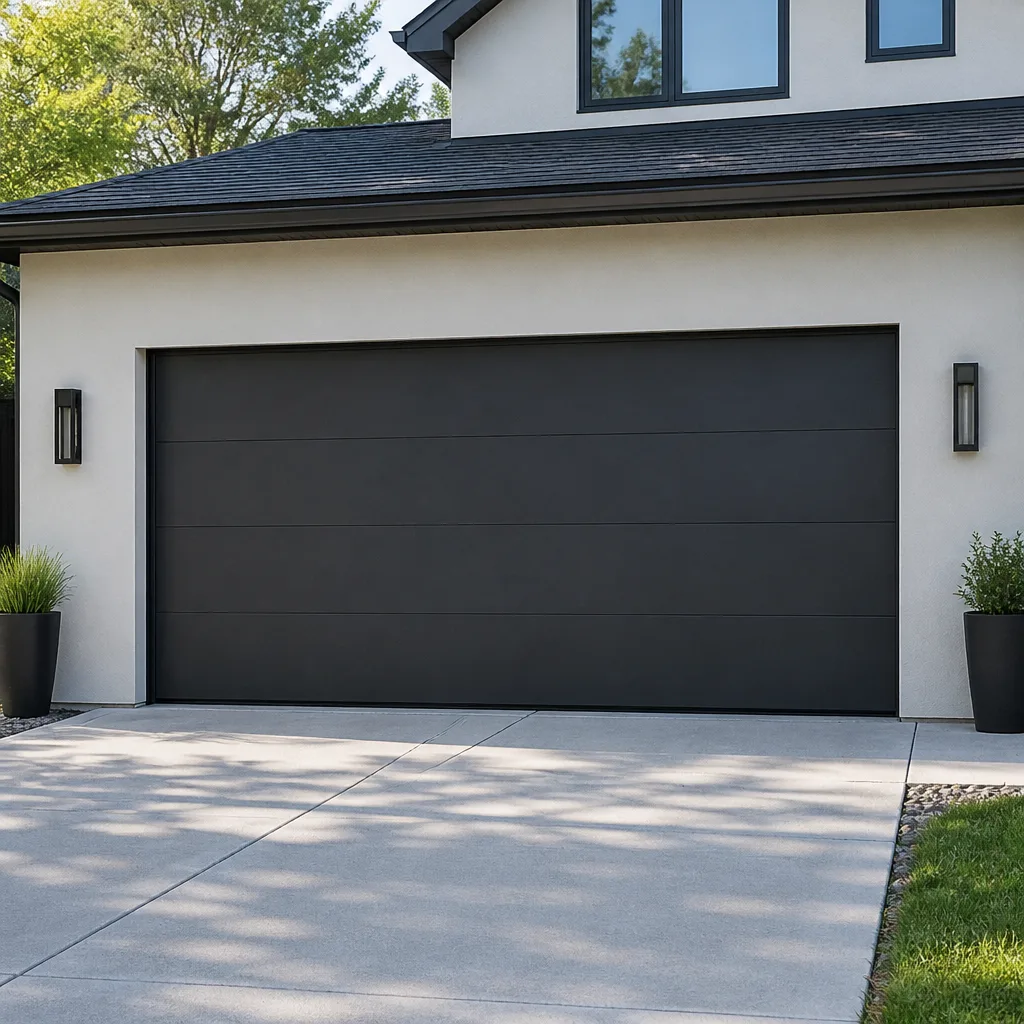 Modern flush
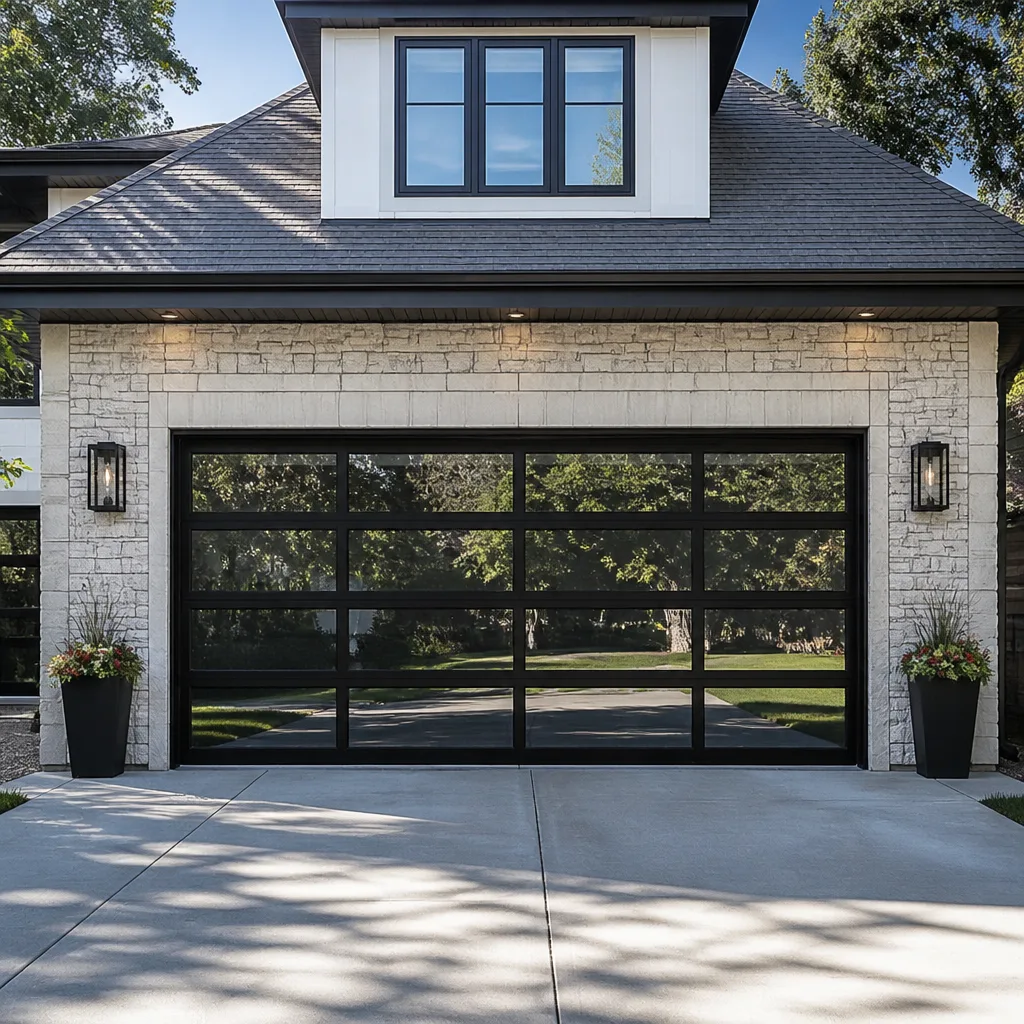 Full-view glass
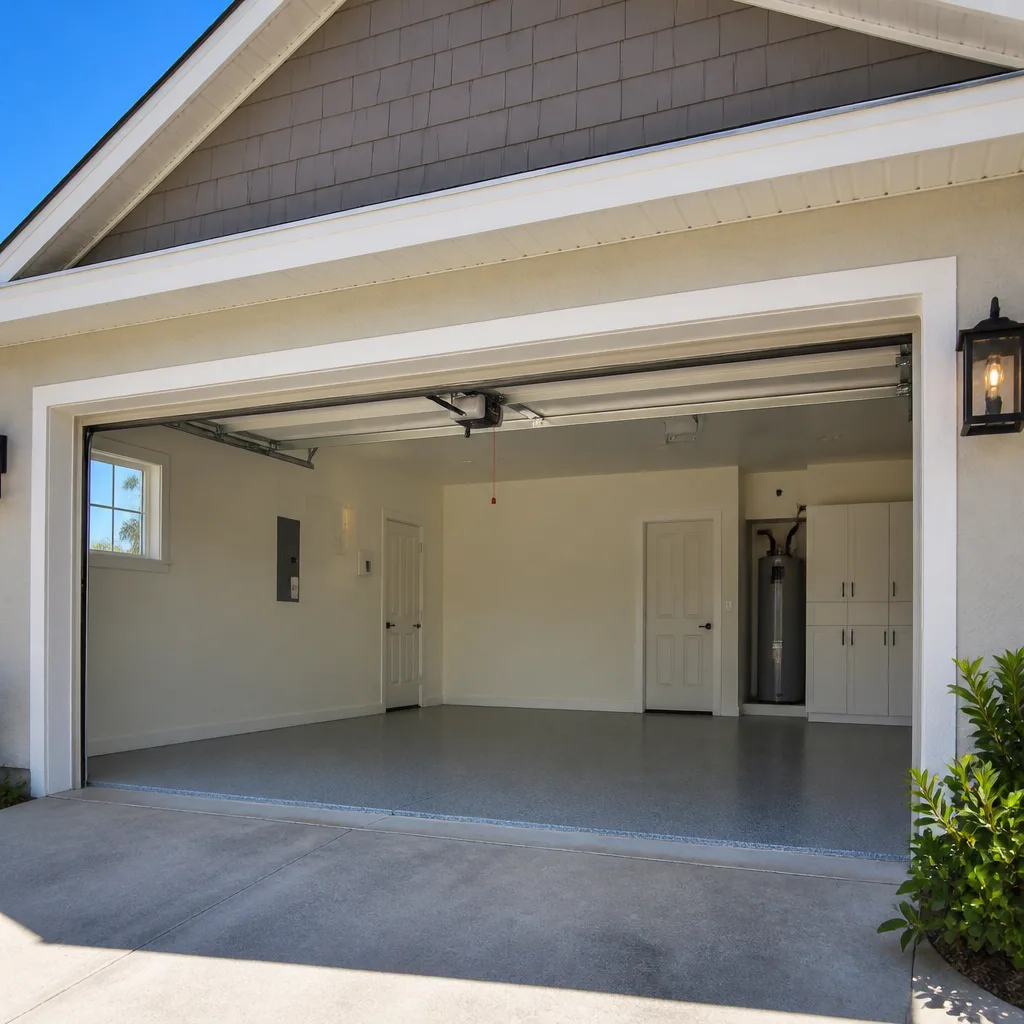 LiftMaster openers
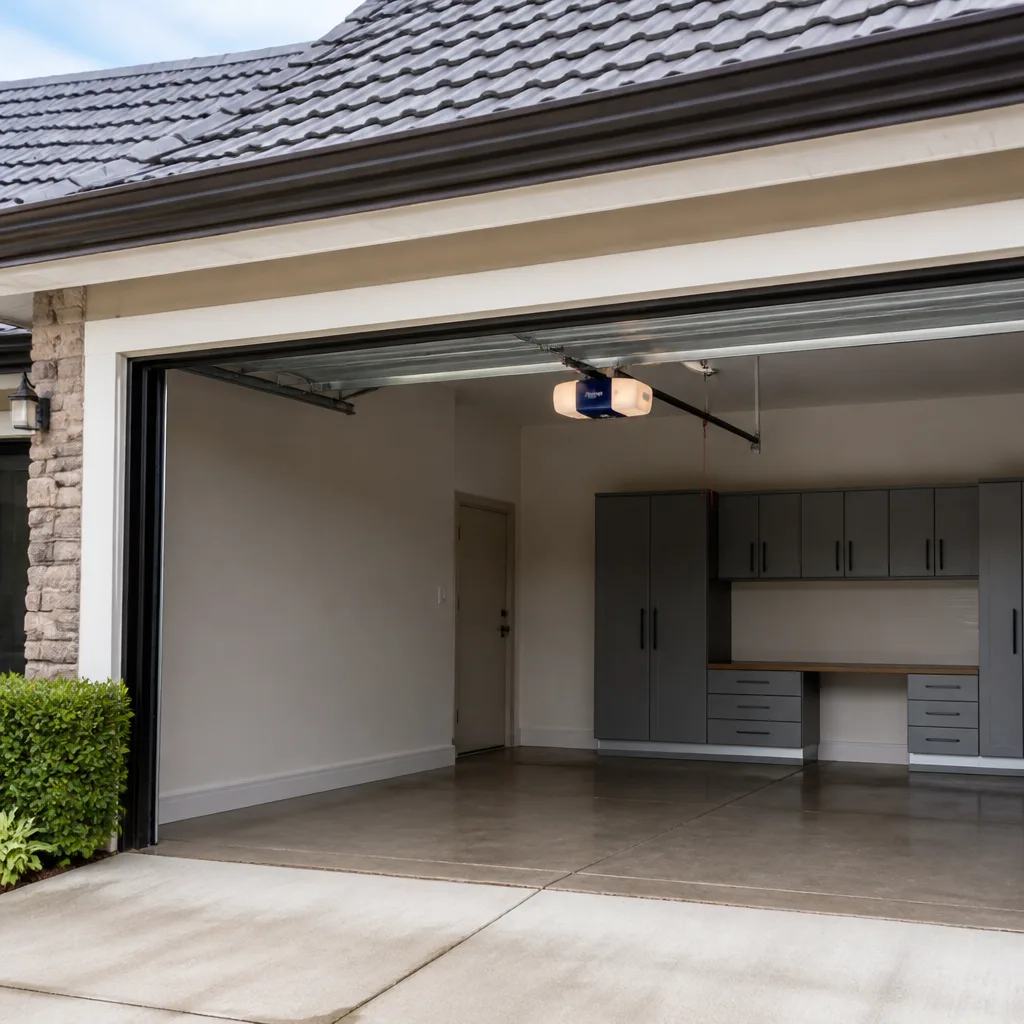 Chamberlain openers
Full 25-point door and opener safety check with every visit - springs, cables, rollers, tracks, and your LiftMaster or Chamberlain opener included
You get a price before we start. It does not change when the pro arrives.
Get your free estimateSeasonal Garage Door Care for Sugar Land: Year-Round Homeowner’s Guide
Most seasonal garage door care guides are written for Chicago, Minneapolis or Denver. They warn about frozen springs, ice buildup on bottom seals and stiff grease in subzero temperatures. If you follow that advice in Sugar Land, you’ll spend your time on problems you don’t have while missing the ones you do. Our climate doesn’t run four equal seasons. It runs a punishing summer, a six-month storm window, a short moderate stretch in fall, and a mild, humid winter that quietly corrodes hardware. This guide walks you through what actually matters month by month in Sugar Land, from the attic-adjacent heat of July to the condensation of January, and shows you which tasks you can handle and which ones belong to a trained technician.
Quick Answer
Seasonal garage door care in Sugar Land means focusing on heat, humidity and storm readiness rather than cold-weather protection. The highest-value tasks are summer heat management (panel expansion, opener cooling, sensor drift), pre-hurricane hardware checks and manual release practice before June, a fall lubrication and spring tension review, and winter attention to seals, sensors and remote batteries. Spring and cable work should always go to a trained specialist.
Styles & brands we work with
- Raised-panel steel
- Carriage house
- Modern flush
- Full-view glass
- LiftMaster openers
- Chamberlain openers
Table of Contents
- Why Sugar Land’s Climate Doesn’t Fit a Four-Season Framework
- Summer Protocol: Heat, Expansion and Opener Thermal Shutdown
- Hurricane Season Protocol (June-November)
- Fall Transition: The Best Window for Spring Tension and Lubrication
- Winter in Sugar Land: What Actually Degrades
- Spring Checklist: What to Inspect Before Summer Arrives
- Month-by-Month Task Calendar for Sugar Land
- Common Mistakes to Avoid
- When to Call a Professional
- Frequently Asked Questions
Why Sugar Land’s Climate Doesn’t Fit a Four-Season Framework
If you’ve ever searched for seasonal garage door maintenance in Sugar Land, TX, you’ve probably landed on a guide that tells you to lubricate your torsion springs before winter to prevent cold-stiffness. That advice assumes months of hard freeze. In Sugar Land, the same winter month’s actual threat is condensation-driven corrosion on cable drums and hinges, which is a completely different problem requiring a completely different response. Oil that stays put in cold air may thin out or attract grit in humid air.
Here’s the practical translation. Sugar Land has, roughly:
- A long, intense summer where the garage interior can get hot enough to stress opener electronics and expand steel panels.
- A six-month storm season running June through November where wind readiness and manual release practice matter more than cosmetic upkeep.
- A brief moderate window in fall (roughly October and November) that is genuinely the best time to do tension checks and full hardware lubrication.
- A mild winter where humidity, not cold, is the enemy. Seals, sensors and remote batteries are your focus.
Read your maintenance calendar against that rhythm, not against a northern one. A Sugar Land homeowner who does the fall lubrication pass and the pre-storm hardware check will stay ahead of most problems. A homeowner who spends December worrying about frozen springs will miss the corrosion that’s actually happening behind the drum.
Summer Protocol: Heat, Expansion and Opener Thermal Shutdown
Summer is when the door itself starts telling you things, if you’re listening. Steel panels expand as they heat, and a door that runs silently in spring can start scraping, binding or rubbing the frame in July and August. That’s usually expansion, not damage, but expansion left unchecked wears rollers and stresses the opener. If your door suddenly sounds different in the heat, don’t assume it needs replacement. Have it looked at before the wear becomes permanent.
The bigger summer risk is the opener. Garage interiors in Sugar Land routinely get much hotter than the outdoor air because they sit under a sun-baked roof with little airflow. Many openers have thermal protection that shuts the motor down when it gets too hot, which looks like a dead opener. If your door stops responding on a punishing afternoon and works again hours later, that’s the pattern to note. It’s a heat issue, not a motor failure.
What to do in summer:
- Test the door’s balance by disconnecting the opener (pull the manual release with the door fully closed) and lifting the door halfway. It should stay put. If it slams down or won’t hold, call a specialist; the springs are out of balance.
- Clear the space around the opener motor. Don’t stack boxes or bins against it; airflow matters in a Sugar Land garage.
- Check the safety sensors on both sides of the door. Heat can shift the brackets slightly and misalign them; the door will refuse to close if they’re off.
- Wipe down the tracks with a dry cloth. Grit plus heat equals wear.
- Watch for doors that reverse for no reason or stop halfway. That’s often a sensor or opener logic issue and worth a quick diagnosis.
If your opener is a LiftMaster or Chamberlain unit with a battery backup, check the battery health in summer. Heat drains backup batteries faster than anything else. Replacing a weak battery is cheap; losing the door during an outage is not.
Hurricane Season Protocol (June-November)
Storm season runs June through November, and it deserves its own checklist because wind and water do things that heat doesn’t. The garage door is one of the largest openings in your house. When wind-driven rain and pressure hit, a door that isn’t latched, sealed or reinforced becomes the weak point. Sugar Land sits inland enough that most of your risk is wind-driven rain and pressure, but that’s still enough to justify pre-season prep.
Before June arrives, do this:
- Check the weather seal along the bottom and sides. A cracked or flattened seal lets water in during a hard blow. Replace it before storm season, not after.
- Test the manual release. With the door closed and the opener disengaged, you should be able to lift the door smoothly by hand. If it’s stiff or heavy, the springs may be weak.
- Inspect hinges, brackets and rollers for loose fasteners or rust. Wind load finds weak hardware first.
- Look at your door’s wind rating or reinforcement, if it has one. Some doors in Sugar Land have vertical or horizontal reinforcement struts; make sure they’re secure.
- Confirm your opener has a battery backup if you rely on it during outages. A door you can’t open when the power is out is a door you can’t secure.
Practice the manual disconnect once per season, ideally in May and again in September. You don’t want to learn the release mechanism for the first time in the middle of a storm warning. If your door is stuck open during a storm, don’t try to force it down; a trained technician can secure it safely. That’s the kind of call where our garage door repair team can get you back to a secured door quickly.
Fall Transition: The Best Window for Spring Tension and Lubrication
October and November are the sweet spot in Sugar Land. The heat breaks, the storm season is winding down, and the humidity is at its most tolerable. This is when you do the tasks that set your door up for the whole year.
Start with a visual and functional inspection of the springs and cables. Don’t try to adjust or repair them; torsion springs are under extreme tension and are one of the most dangerous parts of any home system to handle. What you can do is look: check for visible gaps in the spring coils, fraying on the cables, or rust buildup at the drums. Any of those is a call to a specialist. Our garage door spring repair technicians work on springs every day and have the tools to do it safely.
Then lubricate. This is the one task most homeowners can genuinely handle well:
- Use a garage-door-specific lubricant, not WD-40 or general household oil. A white lithium or silicone-based product is the norm.
- Apply to the hinges at the pivot points, the rollers (the stems, not the wheels), and the tracks lightly.
- Wipe off excess; excess lubricant attracts dust and grit in Sugar Land’s air.
- Run the door up and down a few times to distribute the lubricant.
- Do not lubricate the springs unless the manufacturer calls for it; many torsion springs ship with a factory coating that shouldn’t be disturbed.
Fall is also the right window to call for a tune-up. If you’ve been putting off a checkup, the moderate months are easier on both the door and the technician. If your opener is acting up by fall (beeping, not responding, misreading the remote), book a diagnostic. Our garage door opener repair service covers all the major brands, so you’re not stuck waiting on a single-brand shop.
Winter in Sugar Land: What Actually Degrades
Winter here is mild, so almost none of the northern advice applies. You don’t need to worry about frozen springs, ice on the seal or grease turning solid. But you do need to watch for the quiet degradation that comes with humidity in a garage that never fully dries out.
What actually goes wrong in a Sugar Land winter:
- Seals harden and shrink. The rubber or vinyl bottom seal can stiffen in the cool air and pull away from the floor, letting in drafts and water. Press on it with your hand; if it doesn’t spring back, plan to replace it.
- Safety sensors fog or cloud. Dust and condensation can coat the lenses on both sensors, causing the door to reverse or refuse to close. Wipe them with a soft cloth.
- Remote batteries fade. Cold-ish air drains batteries faster than you’d think; replace the remote and keypad batteries once per winter whether or not they seem weak.
- Corrosion on cable drums and hinges. Humid air in a closed garage slowly corrodes steel. A light coat of door-specific lubricant on the drums and hinges in November helps, but if you see rust flakes, have the hardware inspected.
- Wood or composite panels absorb moisture. If your door is wood or a wood composite (Clopay and Amarr both make door lines with these materials), check the finish in winter; any bare spots let moisture in.
If your door has a steel skin (most Clopay, LiftMaster-compatible and Genie-compatible installations do), winter humidity is mostly a cosmetic issue on the outer surface. It’s the internal hardware, hinges, drums and fasteners, where corrosion actually matters.
Spring Checklist: What to Inspect Before Summer Arrives
March through May in Sugar Land is your last chance to catch small problems before they become summer failures. The heat will find every weak point in your system. Here’s the spring inspection worth doing:
- Do the balance test. Disconnect the opener and try to raise the door by hand to the halfway point. It should feel light and stay there. If it doesn’t, the springs may need adjustment or replacement.
- Look at the cables and drums. Check for fraying, kinks or rust. Don’t touch a cable that looks under tension or worn; call a technician instead.
- Test the safety sensors. Put a box in the middle of the doorway path and try to close the door. It should reverse immediately. Do it on both sides of the opening.
- Check the reverse setting. Lay a roll of paper towels flat on the floor where the door would land, then close the door. It should stop and reverse on contact with the roll.
- Listen for changes. A door that used to be quiet and now grinds, squeaks or bangs has a problem. Note what you’re hearing and when; that detail is gold for a technician.
- Test the manual release. Confirm it works smoothly. If you can’t lift the door by hand, the opener may be doing all the work, which shortens its life.
- Inspect the garage door’s whole system of nuts and bolts. Grab a socket wrench and gently check that all fasteners are snug. Don’t over-tighten; you can strip or deform hardware.
If anything on this list turns up a real problem, particularly with the springs or cables, don’t try to fix it yourself. A torsion spring is under hundreds of pounds of tension even when the door is closed. Our Sugar Land Garage Door Repair Co team does spring diagnostics and repairs as a core part of what we do, and we’re set up to handle doors that are too risky for a homeowner to touch.
Month-by-Month Task Calendar for Sugar Land
Here’s the schedule most Sugar Land homeowners actually need. It’s built around our climate, not a generic four-season template.
- January: Test remote and keypad batteries. Check the bottom seal for shrinkage. Wipe sensor lenses. Light winter lubrication on hinges and hinges only.
- February: Do a visual inspection of the springs, cables and drums. Look for rust. If you’ve never had the door balanced, this is a good month for a professional check.
- March: Full spring checklist (see above). Test reverse settings and safety sensors. Schedule an opener diagnostic if anything sounds off.
- April: Confirm the manual release works. Look at weather seals on all four sides of the door. Book any repairs before summer.
- May: Pre-storm prep before June. Check hinges, brackets, rollers and hardware. Confirm battery backup works.
- June: Hurricane season begins. Keep the garage clear around the opener motor. Watch for heat-related opener shutdown.
- July: Peak heat. Note any door that suddenly binds or scrapes; that’s likely expansion. Don’t ignore it.
- August: Watch sensor alignment after the hottest weeks. Confirm the door reverses on object contact. Check battery levels again.
- September: Practice the manual disconnect again mid-storm season. Look at the seal around the door opening.
- October: The best maintenance month. Full lubrication pass. Spring tension check. Hardware inspection.
- November: Final pre-winter inspection. Test all safety features. Replace remote batteries. Check weather stripping.
- December: Light upkeep only. Wipe sensor lenses, clear the door area, look for anything unusual.
You don’t have to do every task every month. But if you do the spring checklist, the pre-storm check and the fall lubrication pass, you’ll catch the vast majority of problems before they cost you a repair. That’s the rhythm that works in Sugar Land specifically, and it’s the reason a northern maintenance guide would make you do the wrong work at the wrong time.
Common Mistakes to Avoid
- Trying to lubricate, adjust or repair torsion springs. This is one of the most dangerous parts of any home system to handle. Even experienced DIY homeowners should stop at inspecting: if a spring is broken or visibly worn, call a specialist.
- Treating a heat-related opener shutdown as a dead opener. If your door stops working on a hot Sugar Land afternoon and works later, that’s thermal protection working as designed. Replacing a healthy opener because of this is an avoidable expense.
- Skipping the pre-storm manual release practice. In storm season, knowing exactly how your manual release works is part of being prepared. Don’t learn it in the dark.
- Using general-purpose lubricants. WD-40 and household oils can attract grit and gum up the hardware. Use a garage-door-specific lubricant in the fall, and use it sparingly.
- Ignoring the bottom weather seal. A cracked or flattened seal lets in water during heavy rain and forces the opener to work harder. It’s also one of the cheapest fixes on the whole door. Check it every fall.
- Assuming a northern maintenance calendar applies. Ice, snow and freeze protection are wasted effort in Sugar Land. Heat, humidity and storm readiness are what matter here.
- Letting a misaligned safety sensor sit for months. A door that refuses to close is a door that isn’t securing your home. If the sensors are on, re-align them, or call for a repair so the door does its job.
When to Call a Professional
Some seasonal care is a homeowner’s job: lubrication, sensor wiping, battery swaps, visual inspections. Other parts should never be handled without the right tools and training. Call a specialist if you see or experience any of the following: a broken or visibly worn torsion spring, a frayed or kinked cable, a door that won’t stay halfway up when you test the balance, a door that slams down or reverses unpredictably, or an opener that’s stopped working entirely after the heat or a power event. Rely on a technician for anything involving spring tension, cable work or opener diagnostics you can’t solve from the manual. Our team works on all the major brands, including LiftMaster, Chamberlain, Genie and Clopay, so we’re not stuck guessing on a system we don’t know. Sugar Land Garage Door Repair Co offers free estimates in Sugar Land, and our technicians have up to 11 years of experience. Call (833) 509-3010 and we’ll talk through what’s happening with your door.
Frequently Asked Questions
Once per year is the general recommendation, with the best window in Sugar Land being fall, roughly October and November, when temperatures are moderate and humidity is lower. Add a pre-summer check in spring and a pre-storm check in late May before hurricane season begins. Doors that get heavy daily use benefit from a second inspection in the spring. A professional tune-up focuses on springs, cables, rollers, hinges and opener function, which are the parts you shouldn’t handle yourself.
You need to moisture-proof it, not winterize it in the northern sense. That means checking the bottom seal for shrinkage and cracks, wiping sensor lenses, and replacing remote and keypad batteries before the humid months set in. You don’t need to worry about frozen springs, ice dams or grease turning solid, because those conditions don’t come up here. The right winter prep in Sugar Land is about seals, sensors, batteries and keeping hardware lubed against humidity. If you’re not sure your seal is holding, call (833) 509-3010 for a free estimate on a replacement.
Lubricating hinges, rollers, tracks and drums is not dangerous with the door in the down position and the opener disconnected. A few cautions: don’t put your hands near springs or cables, don’t stretch to reach a coil that’s under tension, and don’t use a general-purpose lubricant that attracts grit. If you have any doubt whether a component is safe to touch, leave it to a technician. Our garage door opener repair techs can also walk you through what’s safe and what isn’t on a service call.
Yes, and it’s common. Most modern openers have thermal protection that shuts the motor down when internal temperatures get too high. In a hot Sugar Land garage, especially one with poor airflow or direct roof heat, that can happen on a summer afternoon. If your door stops responding during peak heat and returns to normal later, that’s usually the cause. Clear space around the motor, watch the pattern, and call for a diagnostic if the problem repeats. LiftMaster and Chamberlain both build openers with this protection, so it’s not a sign of a bad brand; it’s a sign of the environment.
Check the bottom and side weather seals for cracks or gaps, confirm the manual release works smoothly, tighten any loose hinges or brackets, and make sure your opener has a working battery backup. Practice the manual disconnect at least once per storm season, ideally in May and September. If your door has reinforcement struts or a wind-rated design, verify they’re secure. After the storm, check for water intrusion along the seal and test the safety reverse. If you find damage, call for a repair rather than trying to force the door closed.
No. Springs don’t have a fixed replacement interval; they wear out based on use, load and environment. In Sugar Land, heat and humidity can accelerate wear on hardware, so spring inspections once a year, plus a visual check after any unusual noise or balance issue, are the practical approach. A spring that shows visible gaps in the coils, has lost tension or makes the door feel heavy when you try the balance test should be looked at by a technician. Don’t try to assess spring condition by hand. Call (833) 509-3010 and we’ll schedule a free estimate.
The Bottom Line
Sugar Land’s seasonal maintenance doesn’t look like a northern guide, and that’s the point. Your priorities are heat management in summer, storm readiness from June through November, a proper lubrication and tension check in the October and November window, and a winter focus on seals, sensors and batteries rather than ice. Skip the freeze-related advice. Do the spring balance test, the pre-storm manual release practice, and the fall lubrication pass. Leave springs, cables and opener diagnostics to a trained specialist. If you’ve spotted something on this list that needs attention, or if you’d simply rather have an expert look at your door before the next season hits, Sugar Land Garage Door Repair Co offers free estimates in Sugar Land. Our technicians have up to 11 years of experience, work on all the major brands, and can diagnose your door correctly the first time. Call (833) 509-3010 to get started.
Written by the team at Sugar Land Garage Door Repair Co.
See the difference
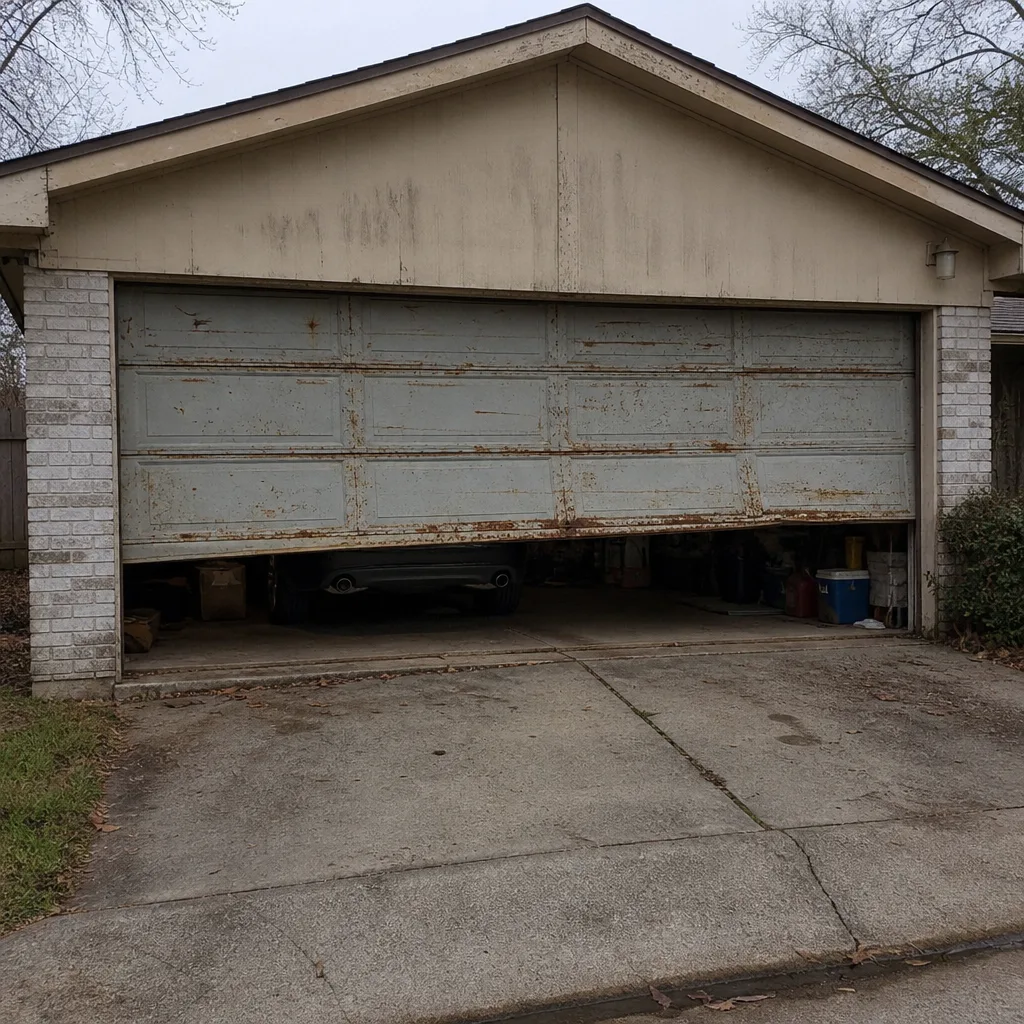 Before
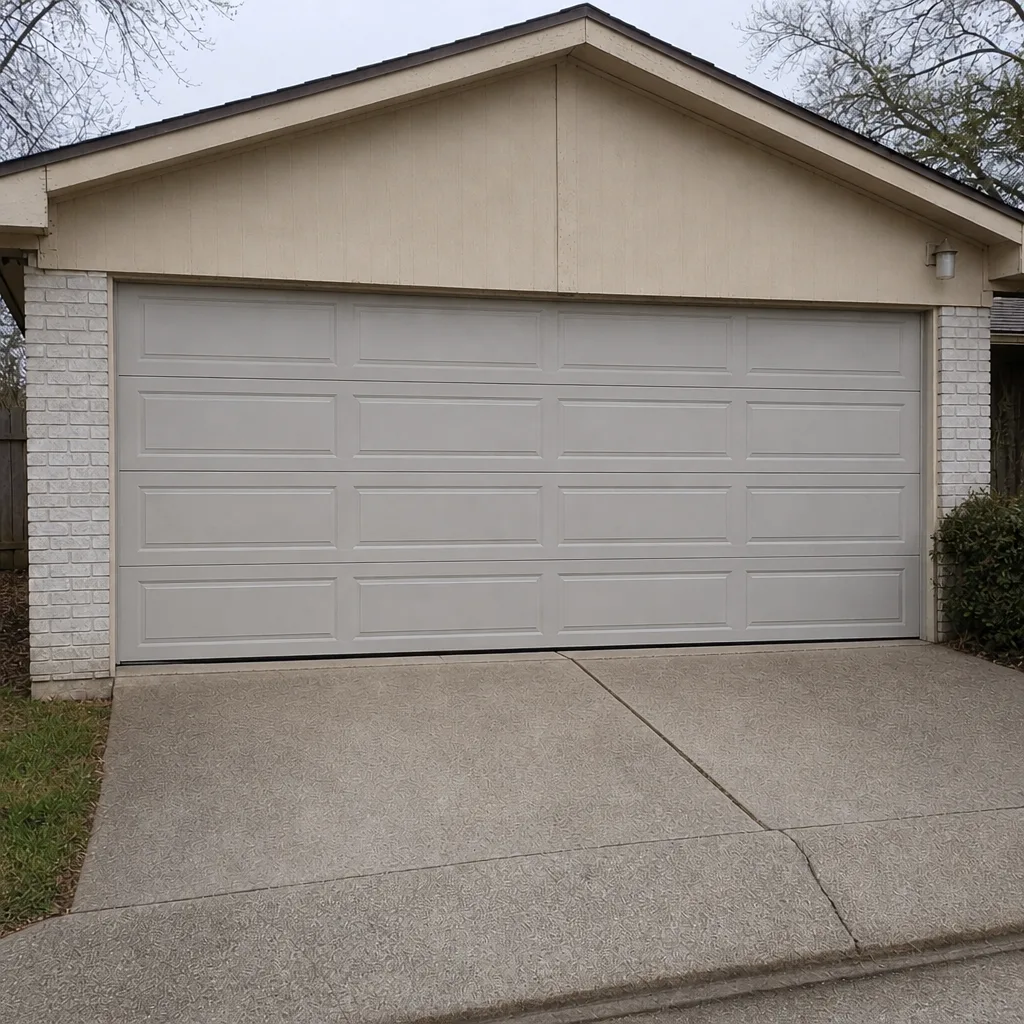 After
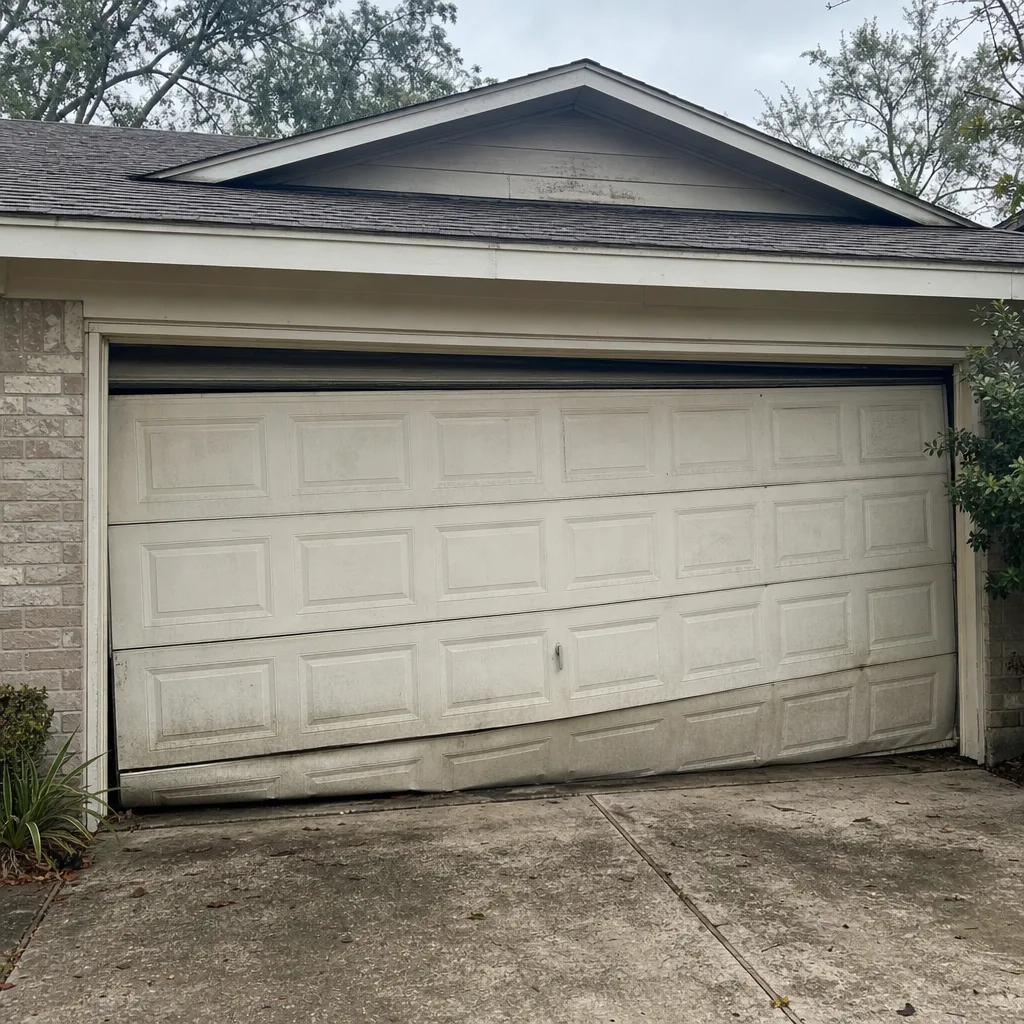 Before
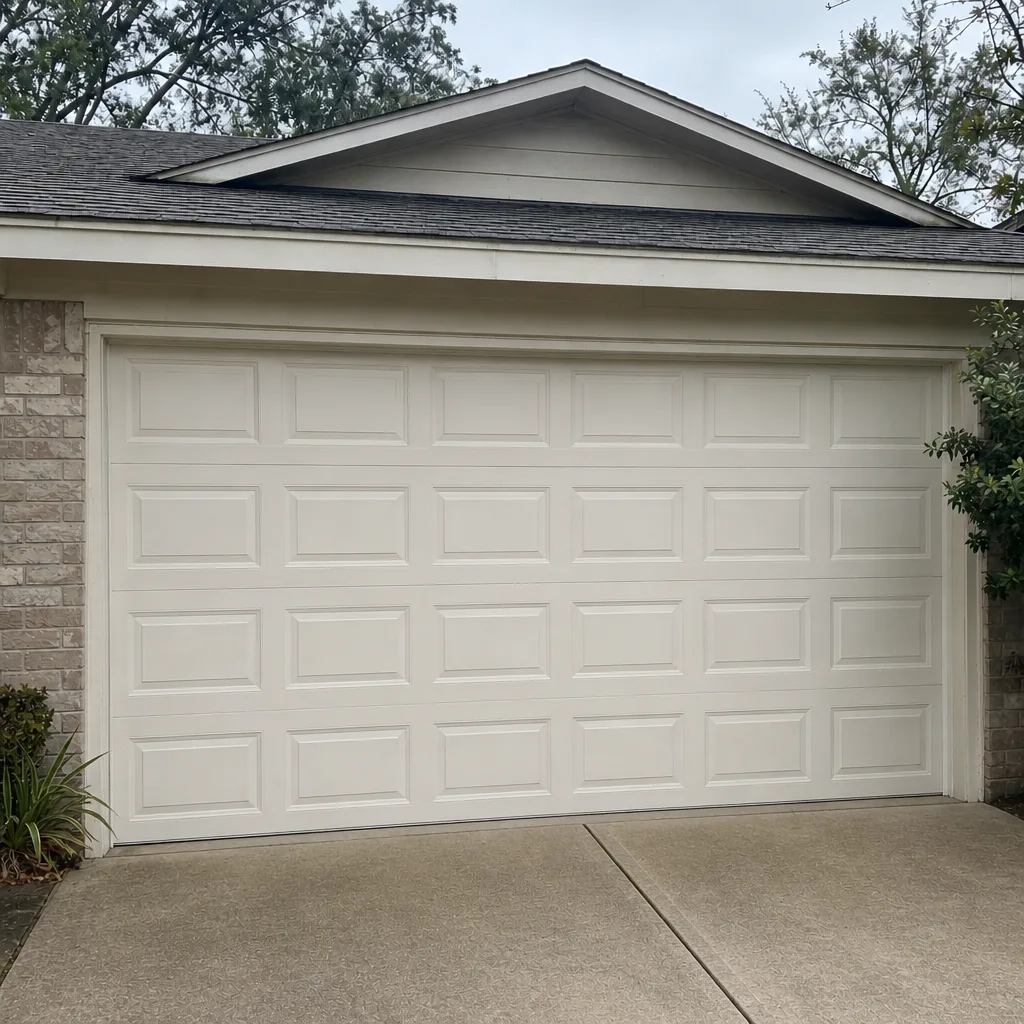 After
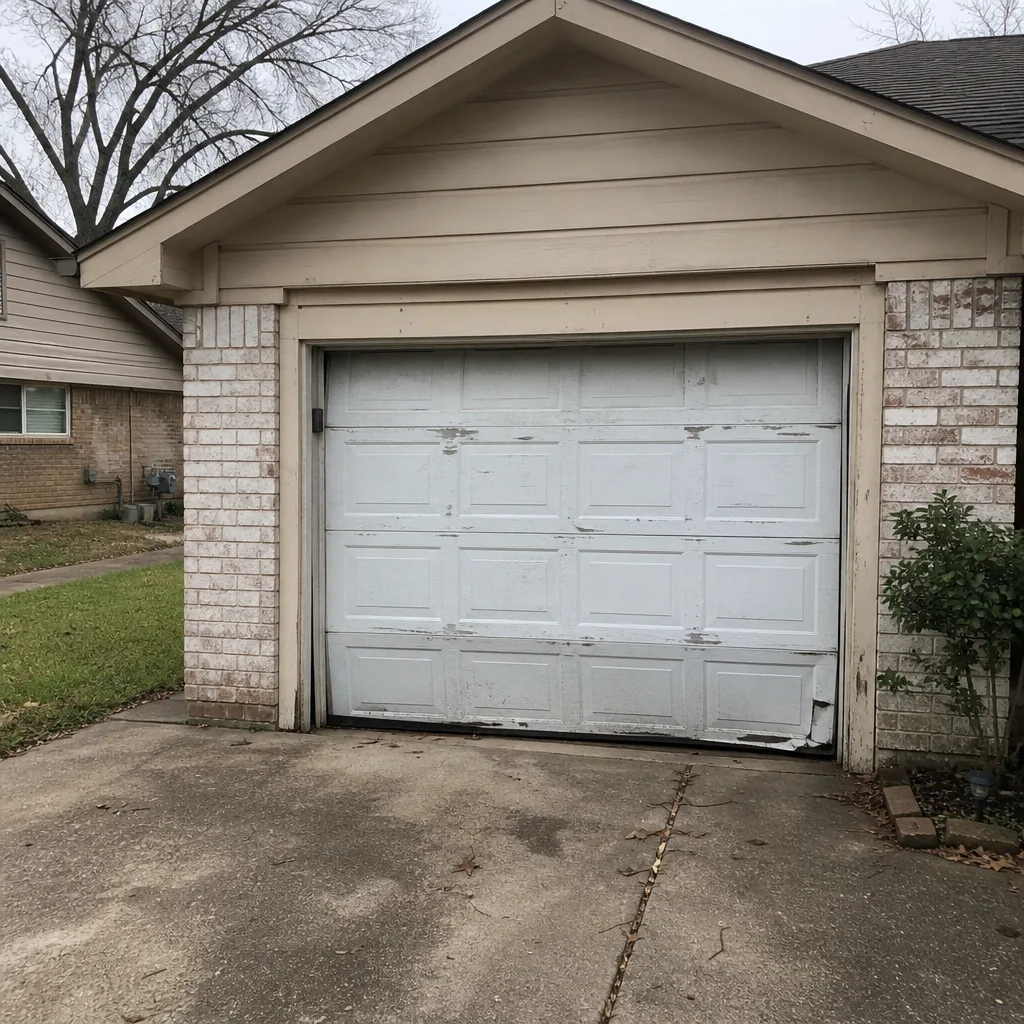 Before
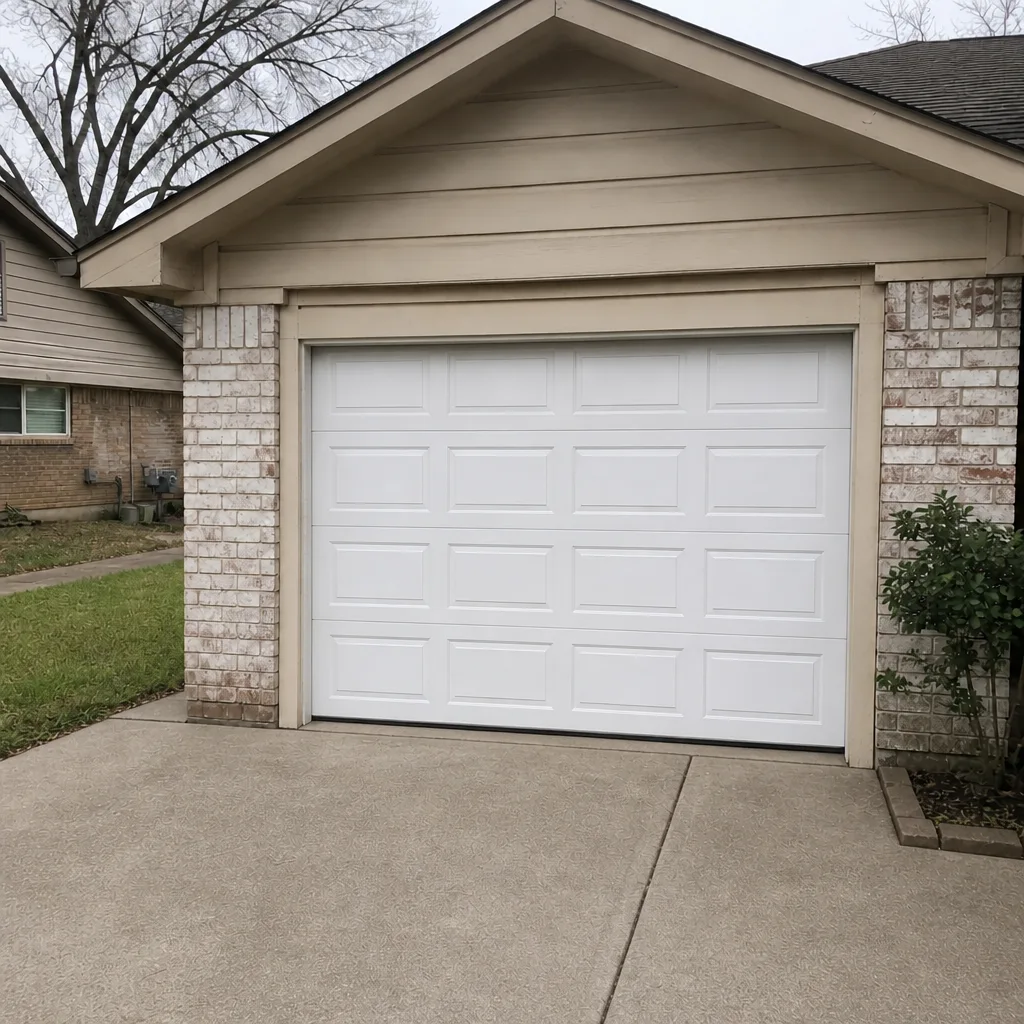 After