Last updated November 21, 2026
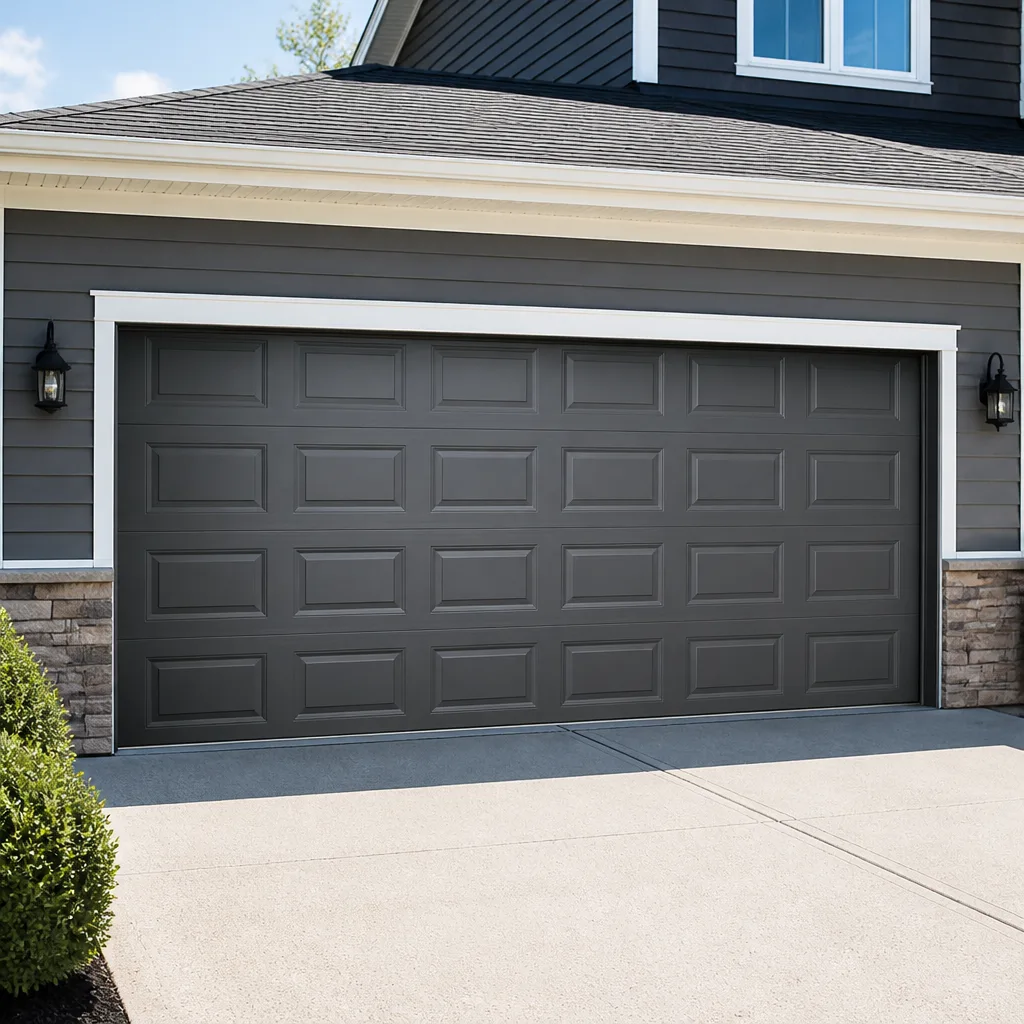 Raised-panel steel
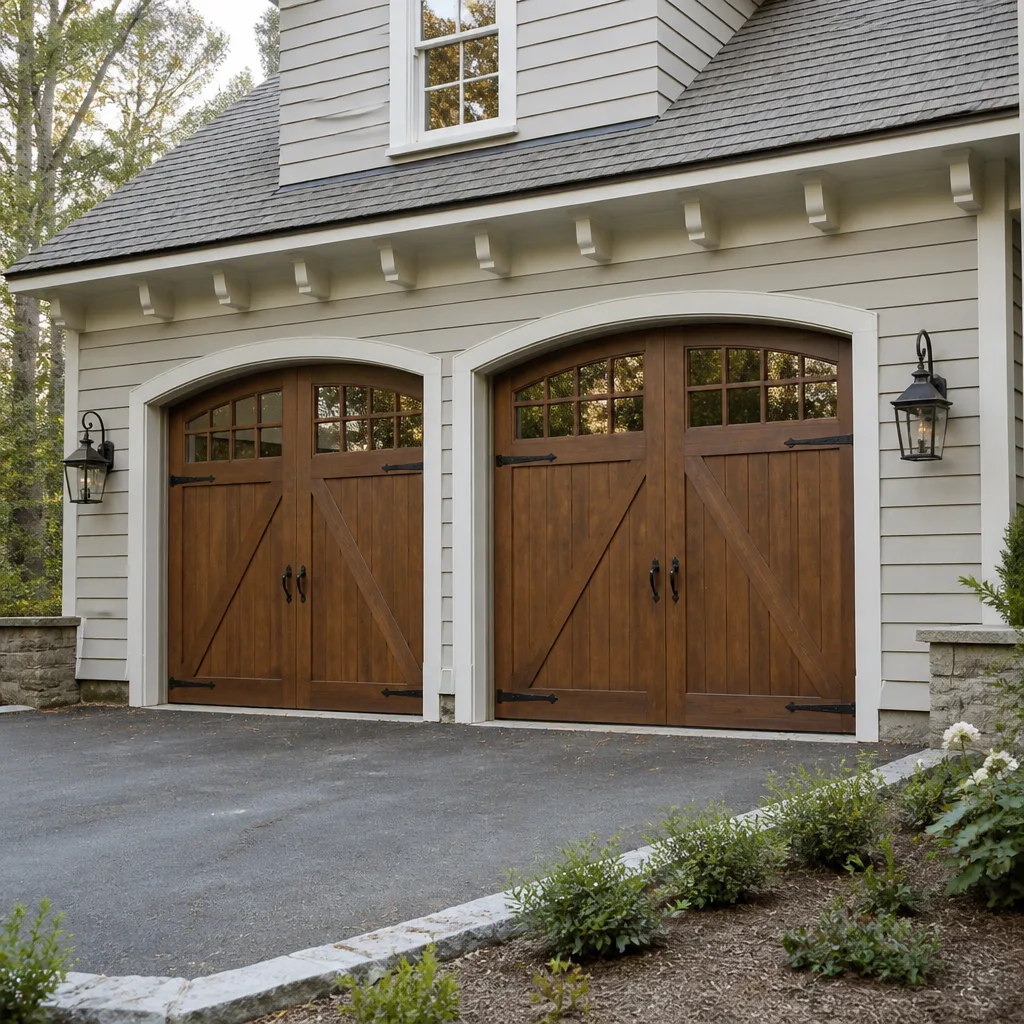 Carriage house
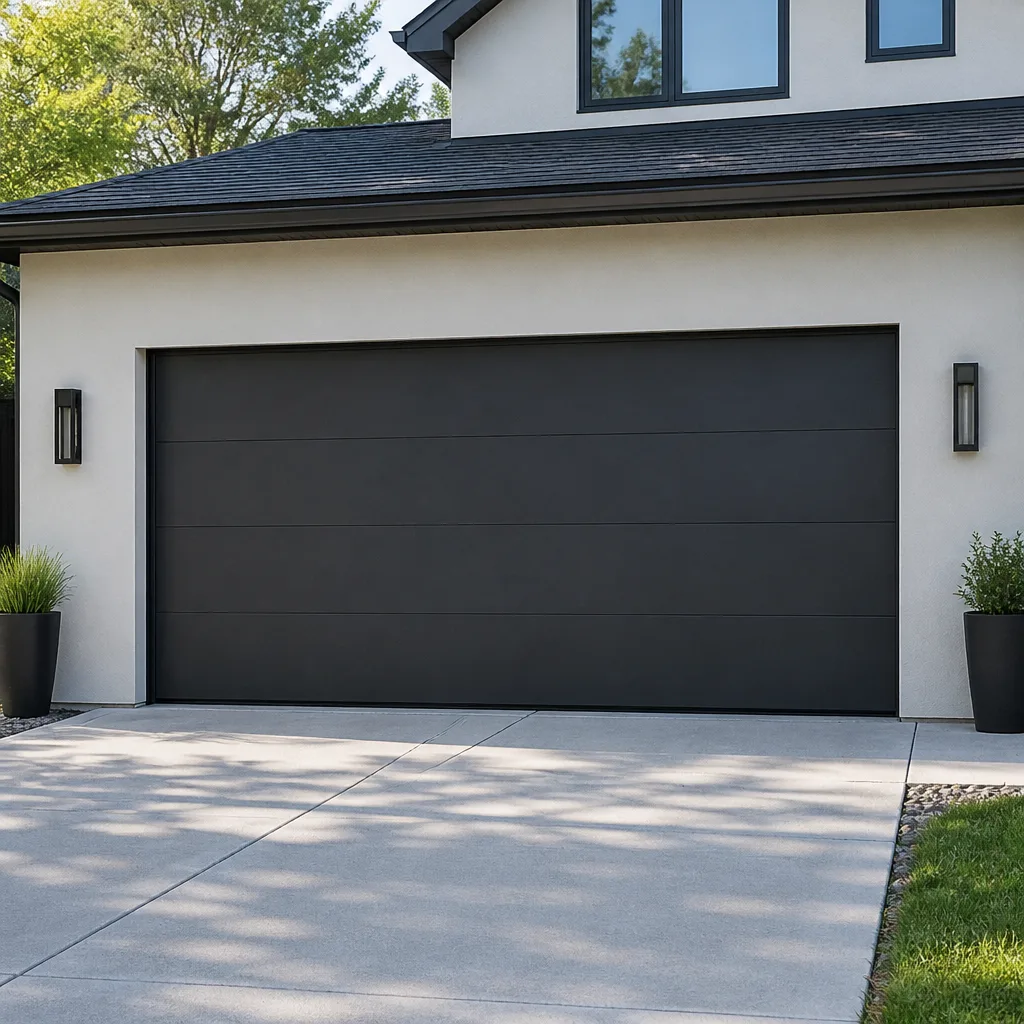 Modern flush
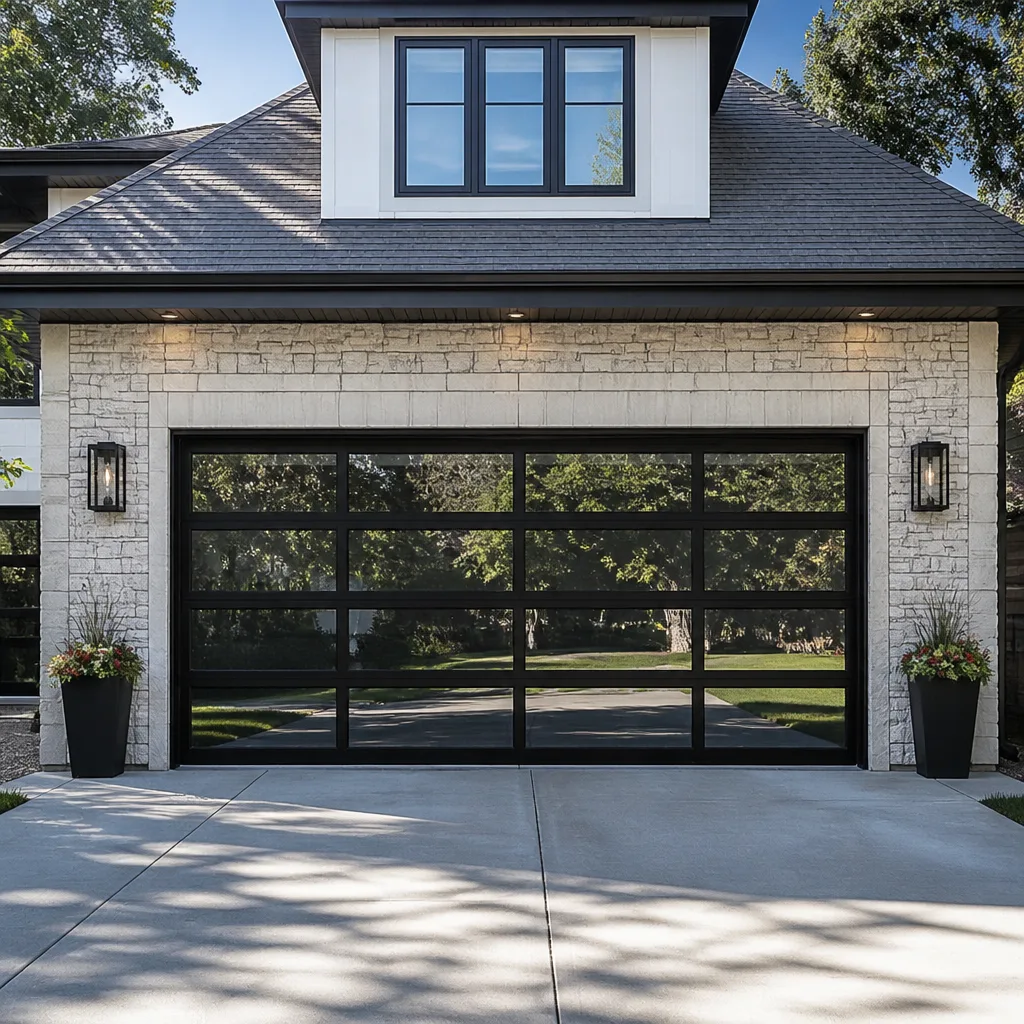 Full-view glass
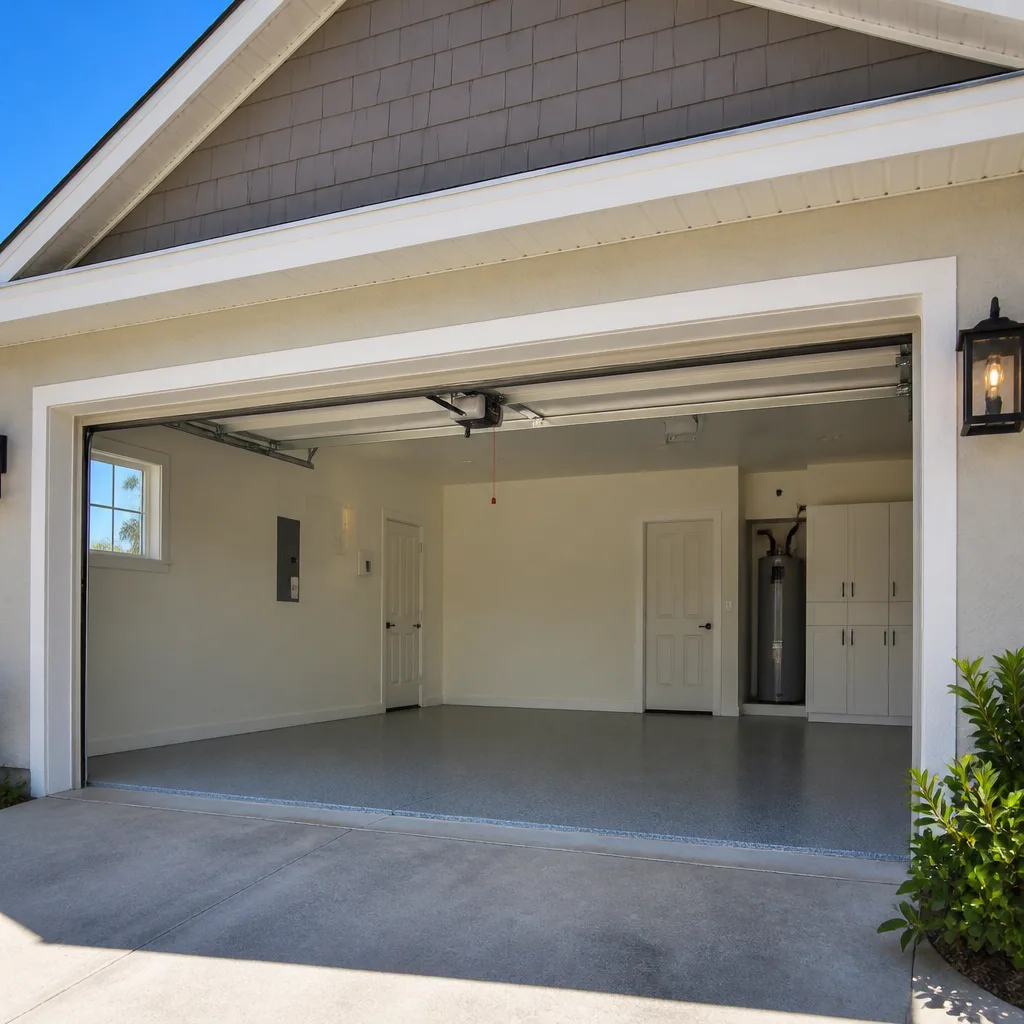 LiftMaster openers
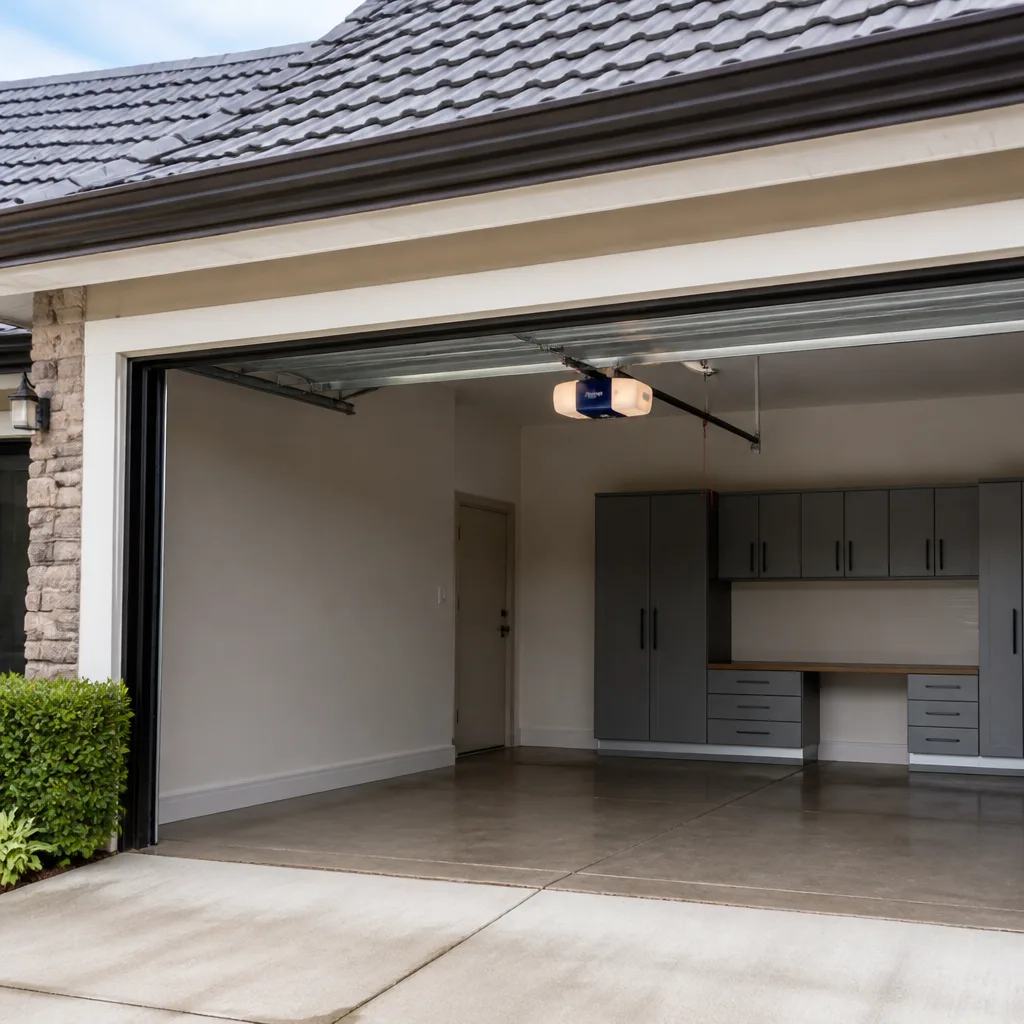 Chamberlain openers
Full 25-point door and opener safety check with every visit - springs, cables, rollers, tracks, and your LiftMaster or Chamberlain opener included
You get a price before we start. It does not change when the pro arrives.
Get your free estimateGarage Door Warning Signs: A Sugar Land Homeowner’s Reference Guide
A garage door that opens slower than it did six months ago isn’t just getting older. It’s telegraphing spring wear. In Sugar Land’s heat cycle, where doors sit in direct sun for hours and then bake inside a closed garage, that degradation moves toward failure faster than most homeowners expect. The signs that matter most are rarely the loud ones. They’re the subtle ones: a two-inch lift on one side, a pop you hear only when you’re walking past, a remote that needs a second push. This guide maps those early signals to their likely cause so you can act before a full breakdown forces a rushed call. By the end, you’ll know what to watch, what to measure, and what genuinely can’t wait.
Styles & brands we work with
- Raised-panel steel
- Carriage house
- Modern flush
- Full-view glass
- LiftMaster openers
- Chamberlain openers
Quick Answer
The clearest warning signs of a failing garage door in Sugar Land are uneven lift (one side rising ahead of the other), a grinding pop rather than a squeak, hesitation or partial reversal from the opener, and visible rust or fraying at the bottom brackets and cable drums. Any one of these points to a component under load that is wearing out, and spring or cable wear is the most common root cause. Catch these early and the repair is usually a scheduled appointment. Ignore them and you’re calling for garage door repair under pressure.
Table of Contents
- The Speed and Symmetry Test
- Sound Mapping: Squeak, Pop, or Clunk?
- Corrosion Clues on Brackets and Drums
- Reading Opener Behavior
- The “It’s Still Working” Trap
- Why Sugar Land Conditions Accelerate Wear
- A Seasonal Walk-Through for Sugar Land Homes
- Common Mistakes to Avoid
The Speed and Symmetry Test
This is the single most useful check a homeowner can perform, and almost no one does it. A healthy door rises evenly and at a steady pace from the moment it breaks contact with the ground to the moment it reaches the header. A door with a failing spring, a slipping cable, or an imbalance between the two sides will betray itself through asymmetry. One side climbs ahead. The top panel tilts. The door shudders as it corrects itself.
A torsion spring system is under enormous tension, and a door is balanced against the weight of the door itself. When one spring weakens, or a cable loses tension on one side, the door leans toward the load it can no longer offset. That lean is your first visible evidence, and it shows up months before the door stops working entirely.
Here’s how to run the test safely, without touching any moving component:
- Stand to the side of the door, not underneath it, and watch the gap between the bottom panel and the floor as the door rises.
- Note whether both sides lift off the ground at the same moment. If one side lags by more than a fraction of an inch, that’s a signal.
- Watch the top edge of the door as it travels. A consistent gap between door and header means balance; a growing or shrinking gap means the door is cocking.
- Listen for changes in the motor’s tone. A motor that labors more on one half of travel is fighting an imbalance.
- Stop the door if it visibly tilts or shudders, and don’t cycle it again until it’s looked at.
Do this once a month. A door that passes today and fails the test in eight weeks tells you precisely where the wear is heading. What you should never do is try to adjust the springs or cables yourself to “level it out.” Torsion springs and their cables store lethal energy, and they can release without warning if a winding cone slips. This is the one part of the door system that genuinely isn’t a homeowner repair. When the symmetry test fails, garage door spring repair is a specialist’s job.
Sound Mapping: Squeak, Pop, or Clunk?
Your ears are a diagnostic tool, and most homeowners hear the difference without knowing what it means. A garage door makes a small vocabulary of sounds, and each one points to a different component. Learning to separate them keeps you from either ignoring something serious or overreacting to something routine.
A squeak or a squeal
Usually the rollers, hinges, or torsion tube asking for lubrication. A squeak is high-pitched, recurring, and tied to movement. It’s the least urgent sound on the list and the most easily addressed. A silicone-based lubricant on the moving joints quiets it. But a squeak that persists after lubrication, especially near the springs, deserves a closer look.
A grinding pop
This is the sound of a spring’s coils separating under load, or a torsion spring scaling as it fails. It’s a sharp snap or pop, often heard once or twice and then repeated as the door cycles. In our experience across Sugar Land, this is the sound homeowners most often dismiss because the door keeps moving. It shouldn’t be dismissed. A spring that pops under load is close to its failure point, and a broken torsion spring can strand a door half-open or drop it unevenly on one side.
A clunk or a bang
A heavy clunk is usually slack in a cable, a loose drum, or a roller jumping its track. A single loud bang followed by a door that won’t lift is a spring that’s already broken. If you hear the bang and the door still rises but feels heavy, stop using it. A door operating on a broken spring is being lifted by the opener alone, and that’s a recipe for a burned-out motor or a dropped door.
The useful rule is simple: high-pitched and continuous is lubrication. Sharp and intermittent is likely springs or cables. Heavy and isolated is a mechanical component out of place. Any sound you can’t map to the first category is worth having checked.
Corrosion Clues on Brackets and Drums
Sugar Land homes sit under a mix of summer humidity, seasonal rain, and long stretches of high heat, and garages tend to hold that moisture. That combination does slow, visible work on the metal components of a door system, and it shows up on the bottom brackets and cable drums before you’ll ever notice it on the panels.
Here’s what to look for, in order of concern:
- Rust on the bottom brackets and lag bolts. The bottom corner is where moisture pools and where the cable terminates. Surface rust is cosmetic; pitted, flaking rust on the bracket itself is structural. A loosened bracket means the cable tension anchor is weakening.
- Frayed or feathered cables. Cables are galvanized wire, and a cable that shows individual broken strands or a “birdcage” bulge near the drum is on its way out. Never touch a frayed cable. It can whip loose under tension.
- Corroded cable drums. The drum takes the cable as the door lifts. Rust that binds it changes the timing of the lift and can cause a cable to jump the drum. On a Wayne Dalton or a craftsman-style door, the drum arrangement differs, but the corrosion symptom looks the same.
- Rust streaks on the floor beneath the door. Streaks point to a component above that’s shedding corrosion onto the slab. Trace them upward.
This is the point of easy prevention. Catching light surface rust and cleaning it before it pits is a cheap, straightforward maintenance step. Catching a pitted bracket after a cable has jumped is a much more expensive repair, and one worth handing to a specialist. In our experience, a corrosion check takes five minutes and saves most homeowners a surprise.
Reading Opener Behavior
The opener is the brain of the system, and when it starts behaving oddly, most people assume it’s dying. Often it’s reporting a problem somewhere else on the door. LiftMaster and Chamberlain units, both common in Sugar Land, have safety features and force limits that will telegraph a mechanical issue through their own behavior. Learning to read those signals saves unnecessary replacements.
Partial reversal
The door starts down, stops, and goes back up on its own. This usually means the safety sensors are misaligned or blocked, or the opener’s force limit is being tripped because the door is binding somewhere in its travel. A door that’s hard to move because of worn springs or a bad roller will trip the reversal more often than a door that travels freely. Check the sensor eyes first, but if they’re aligned and the reversal persists, look at the door’s balance.
Hesitation, especially on startup
The motor pauses or labors before moving. On a Genie or LiftMaster unit, hesitation usually points to a worn gear, a failing capacitor, or a door that’s simply gotten harder to lift. The opener is the symptom; the door is the cause more often than not. A door that has gradually become heavier is a door whose springs have weakened, and the opener is quietly telling you.
Remote lag or short range
A remote that needs to be pressed twice, or works only when you’re close, is usually a battery, a signal interference issue, or a dying logic board. Since garage openers now share bandwidth with other smart devices and security systems, a new source of interference can degrade a remote overnight. If a LiftMaster or Craftsman remote that worked last week suddenly lags, check for a new device or router in the garage before assuming the opener is failing.
When the behavior is intermittent and you’ve ruled out batteries and sensors, it’s worth getting the system diagnosed by someone who works across brands. Our technicians handle garage door opener repair on virtually every major system, and a quick visit usually tells you whether the fix is a part or a door adjustment.
The “It’s Still Working” Trap
Here’s the uncomfortable truth about garage doors: a door that has already failed is a known quantity. It’s broken, you’re not using it, and you’ll call someone. A door that’s still working but degraded is the dangerous one, because every cycle you run it puts a little more stress on the component that’s about to give. The most common serious failures we encounter are doors no one thought were failing.
The reason is mechanical. A door in good balance puts only modest load on the springs, cables, and opener. As one component weakens, the load shifts to the others. A weakened spring makes the door heavier, so the opener works harder, so the motor and gears wear, so the door travels more slowly, so it trips the safety reversal. Each of those is a warning sign you can catch. Each one you don’t catch stacks the wear.
The trap is especially tempting in Sugar Land, where doors are used heavily and homes often have the garage facing the street. The door has to open before anyone gets in the car for work, so it gets cycled whether it’s healthy or not. That daily use is exactly what wears a borderline component past the point of failure.
The fix is to treat “working” as a low bar. A door should be tested for symmetry, listened to for sound changes, and checked for corrosion on a schedule. If it passes all three, it’s genuinely healthy. If it passes only because nothing has snapped yet, it’s already in the early-warning window.
Why Sugar Land Conditions Accelerate Wear
Garage doors feel the local climate more than most parts of a home do. In Sugar Land, that means a long, humid summer, frequent rain moving across the Gulf Coast plain, and enough heat to soften and expand the materials the door is built from. Doors here don’t get the gentle, dry retirement that doors in cooler climates get.
Here’s what we look for on Sugar Land doors specifically:
- Heat cycling on the springs. Torsion springs are steel wire under constant tension. Repeated heating and cooling, plus the load of daily use, speeds their fatigue. A spring that would last years elsewhere may give out sooner in a hot, actively used door. The warning sign is a door that’s gotten slightly heavier and slower over a stretch of months.
- Humidity and the metal components. The interior of a garage holds moisture longer than the outside air, because every time you open the door, you let humid air in and the concrete holds it. Bottom brackets, drums, and cables are the first to feel it. Surface rust appears long before a failure, which is exactly the window to clean it up.
- Panel and seal wear. The bottom weather seal takes the most punishment. A dried, cracked seal lets water in and lets conditioned air out, and it can cause the door to ride roughly. Panels that bow slightly from heat are common and usually cosmetic, but a bowed panel on a heavy door can put strain on the side cables.
- Roof line and drainage. If the door faces low ground where water pools during a heavy rain, the brackets and the track at the bottom are exposed to standing moisture. That’s a Sugar Land pattern worth checking after a wet stretch.
The useful takeaway is that “Sugar Land conditions” don’t change what warning signs look like, they change how fast they develop. A homeowner who might check a door twice a year in a cooler region should check it more often here, because the clock moves faster on a hot door.
A Seasonal Walk-Through for Sugar Land Homes
You don’t need a maintenance plan or a subscription to keep a door in good shape. You need a few minutes on a regular schedule and a method. Here’s a walk-through that works for any door in Sugar Land, whether it’s a Raynor, a Wayne Dalton, or a builder-grade door from twenty years ago.
- Stand back and watch a full cycle. Open and close the door once and observe it the whole way. Note speed, symmetry, and any sound. This takes thirty seconds and catches most problems.
- Run the symmetry test. Watch the bottom gap and the top gap as the door lifts. Confirm both sides rise together. Any tilt means stop and call.
- Check the balance by hand, only with the door closed and the opener disconnected. Lift the door part way by hand. A balanced door should stay where you leave it, not fall or rise. If it feels heavy or won’t hold, the springs need attention. Do not attempt to adjust the springs yourself.
- Inspect the bottom corners. Look for rust, frayed cables, or loose brackets. Trace any rust streaks upward to their source.
- Look at the rollers and hinges. Worn rollers (flat spots, wobble) and loose hinges cause excess noise and track wear. A little silicone lubricant on the moving joints quiets most of it.
- Test the safety sensors and reversal. Put an object in the door’s path and confirm it reverses. Test the sensors with a hand pass between them.
- Test the opener’s behavior. Press the remote from inside the house. Any lag, hesitation, or double-push tells you something’s changing.
Do this at the start of summer and again in the fall when the heat breaks. If any step fails, don’t push the door through more cycles to see if it “settles.” A failing component doesn’t improve with use, it just gets closer to breaking.
A Quick Symptom-to-Cause Reference
When a signal appears, it helps to know what it most likely points to before you decide how to respond. This table isn’t a diagnosis, but it’s a reliable map from symptom to probable cause for most residential doors in Sugar Land.
- Door rises unevenly, one side ahead. Likely spring or cable imbalance, or a broken spring on one side. This is a stop-and-call sign.
- Door is noticeably slower than months ago. Worn springs, weakening opener, or increased friction from worn rollers.
- Sharp pop or snap while moving. Spring coil separation or a cable jumping the drum. Stop using the door.
- Continuous squeak or squeal. Lubrication needed on rollers, hinges, or tube. Routine and low urgency.
- Clunk or bang, door still lifts. Broken spring or slack cable; the opener is lifting the full weight. Stop using it.
- Partial reversal on the way down. Sensor misalignment, blockage, or a door binding because it’s out of balance.
- Opener hesitates or labors. Failing gear, capacitor, or a door that’s become too heavy for the opener.
- Remote lag. Battery, signal interference, or logic board. Check the cheap causes first.
- Rust streaks under the door. Corrosion on brackets, drums, or cables above. Inspect the bottom corners.
- Frayed cable near the drum. Cable failure in progress. Never touch it; call a specialist.
Common Mistakes to Avoid
We’ve seen the same handful of errors lead to bigger repairs than necessary. Most are understandable, and each one is worth sidestepping.
- Ignoring the symmetry test because the door “still opens.” Functioning is not the same as balanced. A door that opens while hanging unevenly is loading the springs harder on one side, and that imbalance compounds. Catch it early and the repair stays modest.
- Lubricating a spring to quiet a pop. A grinding pop isn’t a lubrication problem, it’s a component separating under load. Oil can hide the symptom for a while, but the spring is still failing. If the sound is sharp rather than steady, stop and have it looked at.
- Adjusting the springs yourself. Torsion spring repair is the single most dangerous DIY job in home maintenance. The stored energy can cause serious injury in an instant. This is the one job to always hand to a trained specialist.
- Replacing the opener when the door is the problem. A new opener on a door with worn springs will wear out too, maybe faster. Diagnose the door first, then the opener.
- Treating rust on the bottom brackets as cosmetic. Surface rust is fine. Pitting, flaking, or a loose bracket means the anchor for the cable is weakening. That’s a structural concern, not a cosmetic one.
- Skipping the seasonal check because the door has never failed. The doors that fail are usually the ones that were never checked. A fifteen-minute seasonal walk-through catches the early signals before they turn into an emergency.
- Ignoring a sagging header across the top of the door. On some older Sugar Land homes, the header above the door can sag over time. A sagging header puts the whole door out of alignment and is a bigger issue than a spring. If the door struggles near the top, look at the header.
- Assuming a new door is the answer when repair would do. Many degraded doors can be restored to safe, quiet operation with spring, cable, or opener work. A full replacement is sometimes the right call, but never assume it until a specialist has diagnosed the actual problem.
When to Call a Professional
Some signs you can address yourself, and some you should never touch. Call a specialist immediately if the door tilts or lifts unevenly, if you hear a bang and the door feels heavy, if you see a frayed cable, or if any part of the spring assembly looks broken. These are load-bearing failures, and a door in that state can drop or whip a component loose. Also call if the opener reverses inconsistently, if the door shudders or grinds, or if you simply don’t know what’s wrong and want a trained eye on it. Sugar Land Garage Door Repair Co offers free estimates in Sugar Land. Call (833) 509-3010 and we’ll diagnose the door before anything else is replaced.
Frequently Asked Questions
The earliest signs are usually subtle: the door opens slightly slower than it used to, one side lifts a fraction ahead of the other, or the opener hesitates on startup. Rust on the bottom brackets and a faint pop that repeats each cycle are also early signals. These typically appear months before the door stops working, which is the window to act.
Most often it’s the door, not the opener. If the door feels heavy when you lift it by hand with the opener disconnected, or if it won’t hold its position partway up, the springs are the problem and the opener is just laboring. If the door is well balanced but the motor hesitates, reverses, or won’t respond, the opener is the likely cause.
It depends on the noise. A steady squeak is lubrication and generally safe. A sharp pop, a grinding sound near the springs, or a heavy clunk is not safe. Those are signs of a component under tension that’s already failing, and every cycle risks a sudden break. When in doubt, stop using it and have it checked.
Twice a year is a reasonable baseline, and it’s worth a quick look monthly during the hot months. Sugar Land’s heat and humidity accelerate wear on springs and metal components, so a door that might be checked twice a year elsewhere benefits from more frequent attention here. A full symmetry and sound check takes only a few minutes.
Yes, in the vast majority of cases. A broken spring, a frayed cable, or a worn drum is repairable, and a full door replacement is rarely needed for those failures. Spring repair is a specialist job because of the stored energy involved, and our technicians have up to 11 years of experience with this kind of work. Call (833) 509-3010 for an estimate.
A partial reversal usually means the safety sensors are misaligned or blocked, or the door is binding on the way down and tripping the opener’s force limit. Check the sensors first. If they’re aligned and the reversal continues, the door itself is likely out of balance and needs a closer look. Either way, don’t keep cycling the door to test it.
The Bottom Line
The warning signs that matter most in Sugar Land are the ones that show up quietly, months before a breakdown. Uneven lift, a new sound, corrosion in the bottom corners, and odd opener behavior are all advance notice. Treat them as such. Run the symmetry test monthly, map the sounds, and check the bottom brackets after wet stretches. Any sign that points to a spring or cable means stop using the door and call a specialist, because those components are dangerous to touch and cheap to fix early. Our technicians have up to 11 years of experience diagnosing exactly this kind of wear. If something on your door looks or sounds off, we’ll give you a straight answer and a clear estimate before any work begins.
When a sign turns into a real problem, you don’t have to guess. Visit Sugar Land Garage Door Repair Co to see how we handle the full door system, from springs and openers to panels and full installations. Call (833) 509-3010 for a free estimate, and we’ll diagnose your door correctly the first time.
Written by the team at Sugar Land Garage Door Repair Co.
See the difference
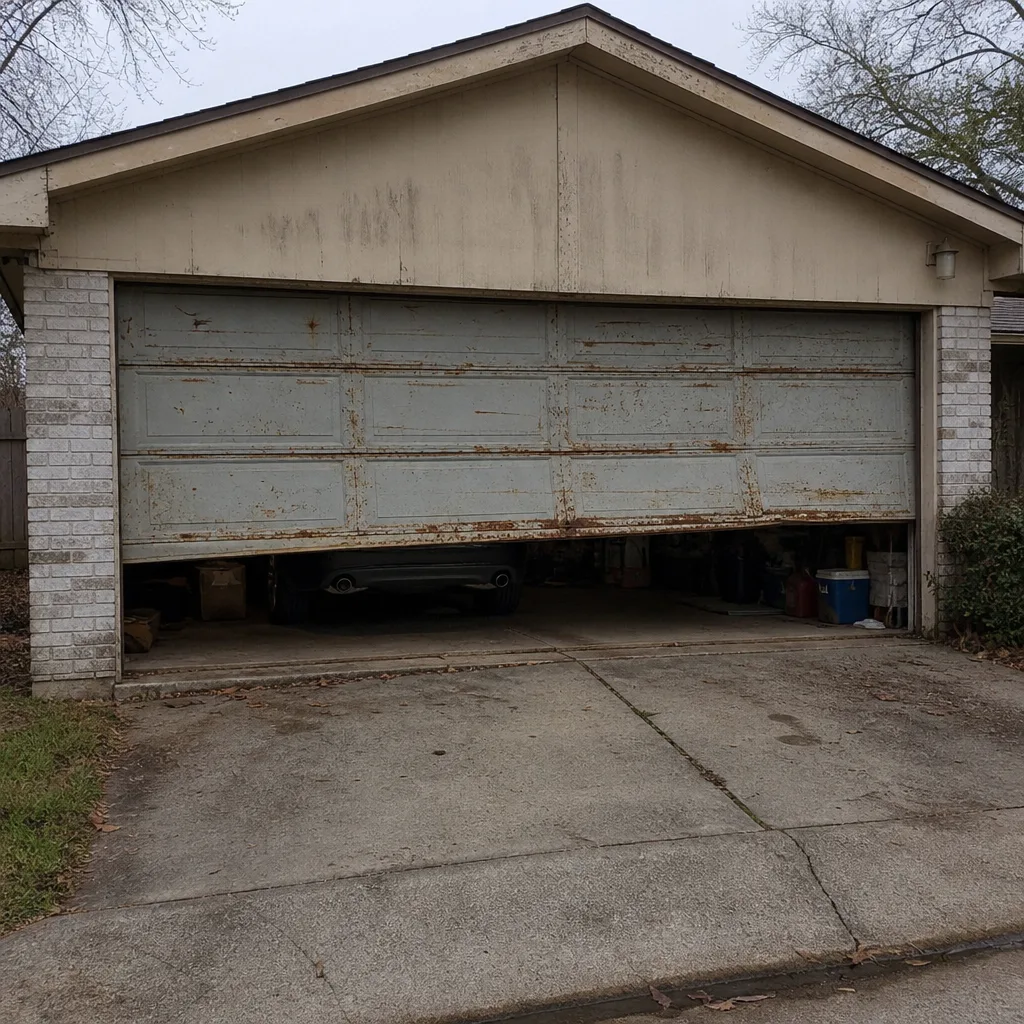 Before
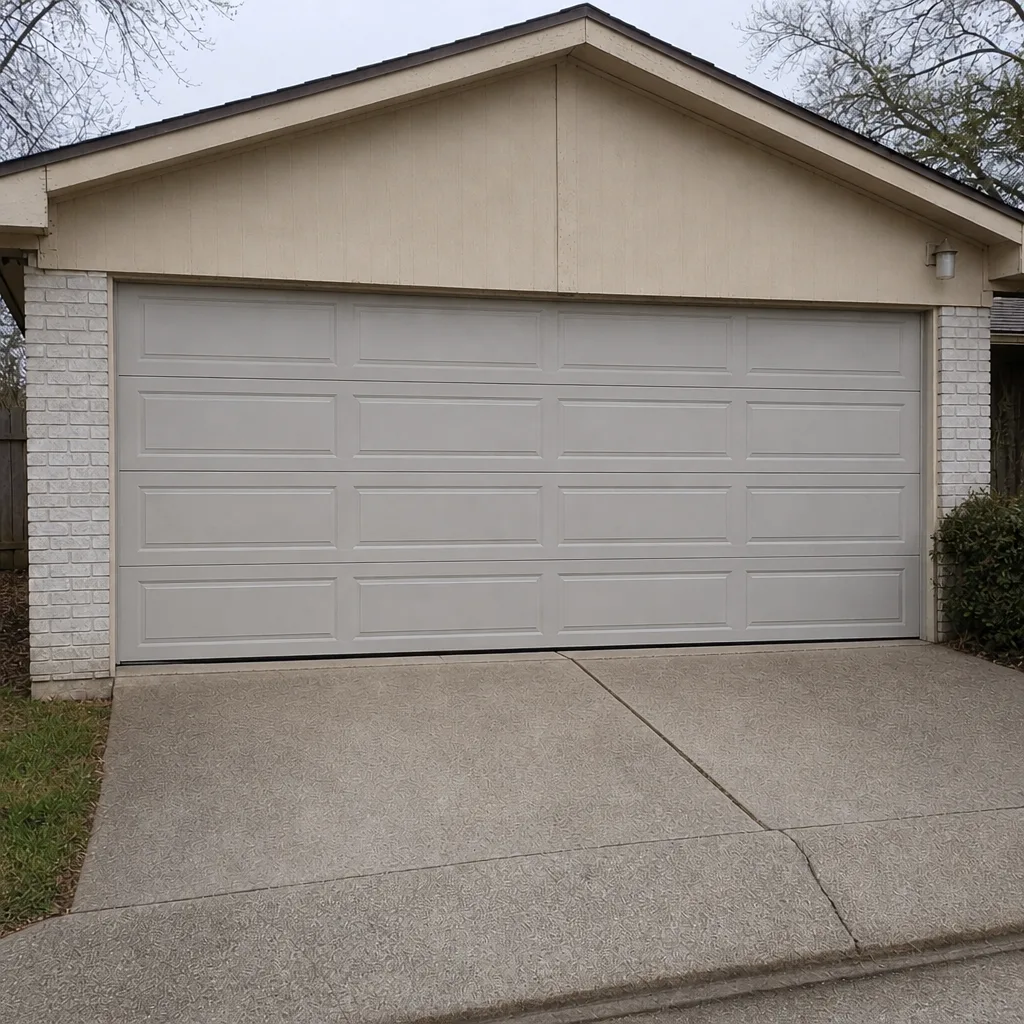 After
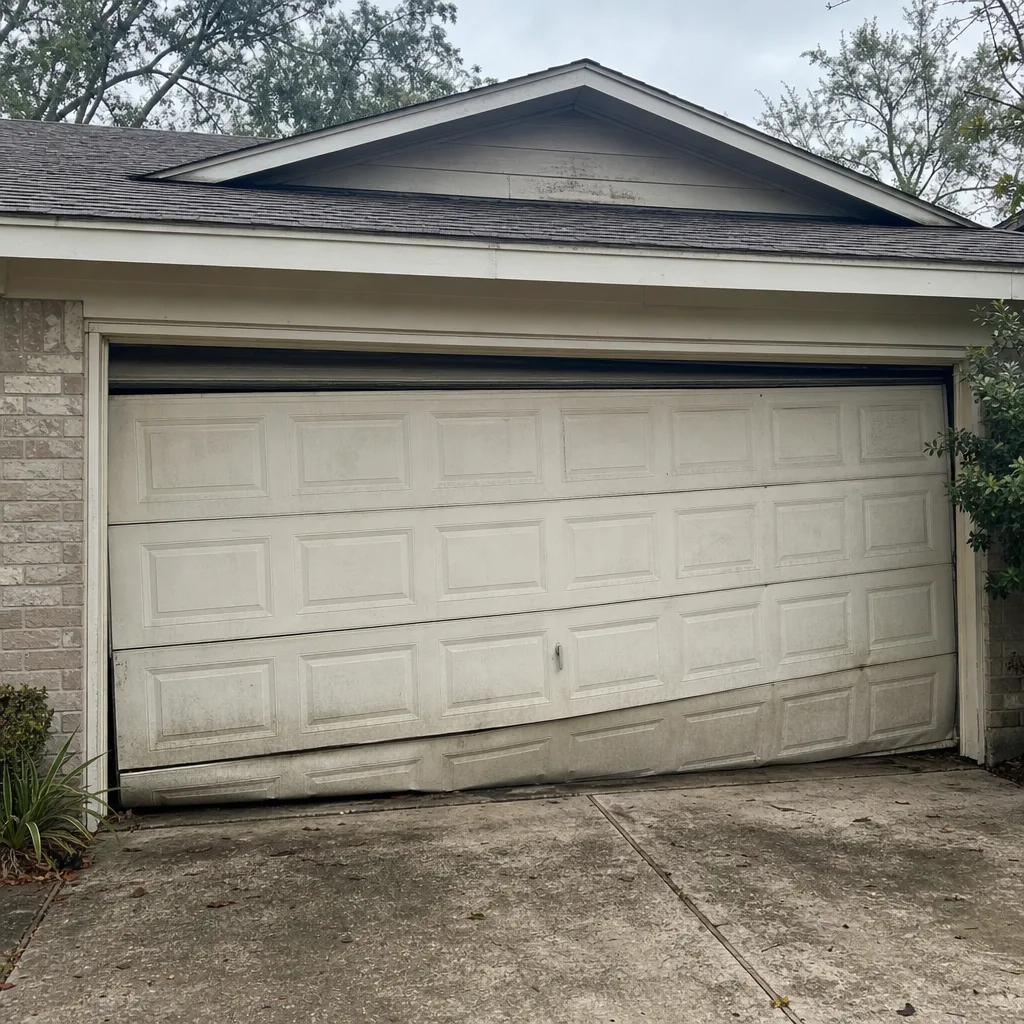 Before
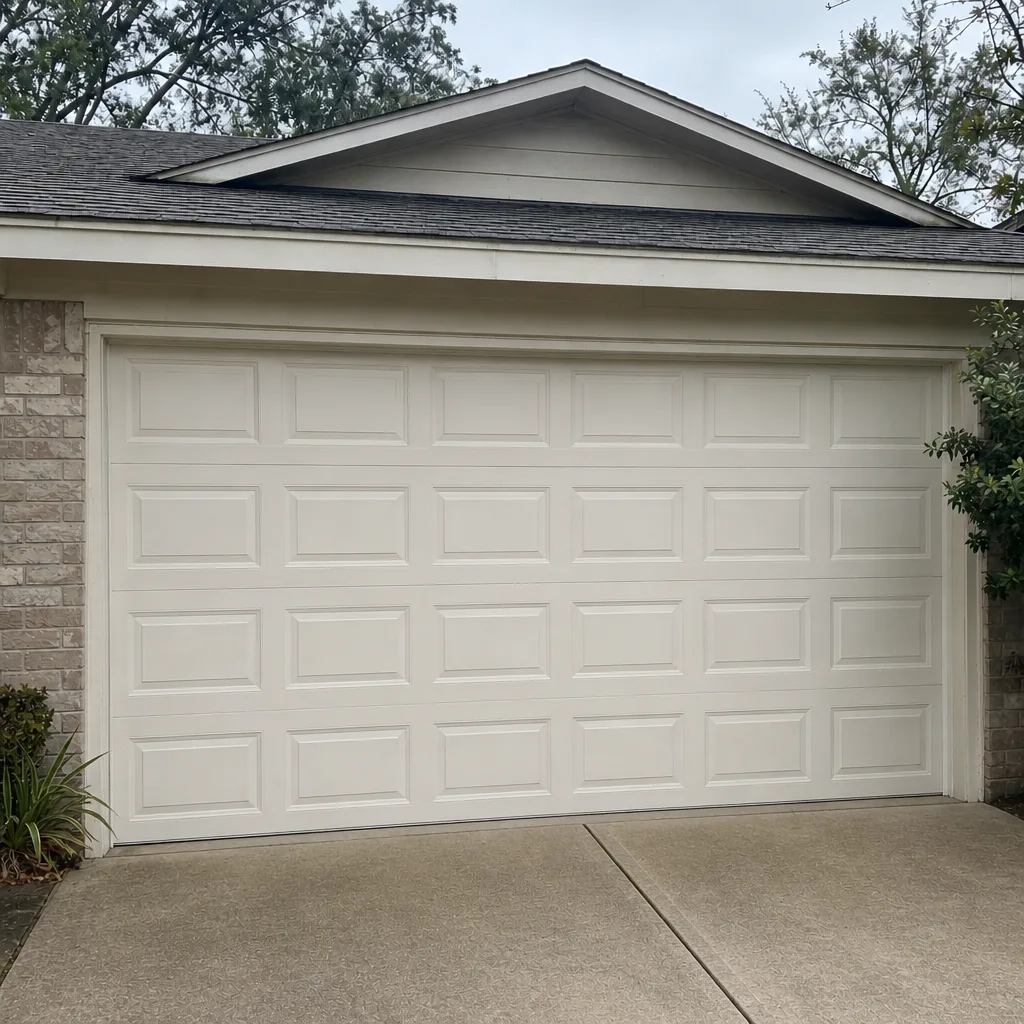 After
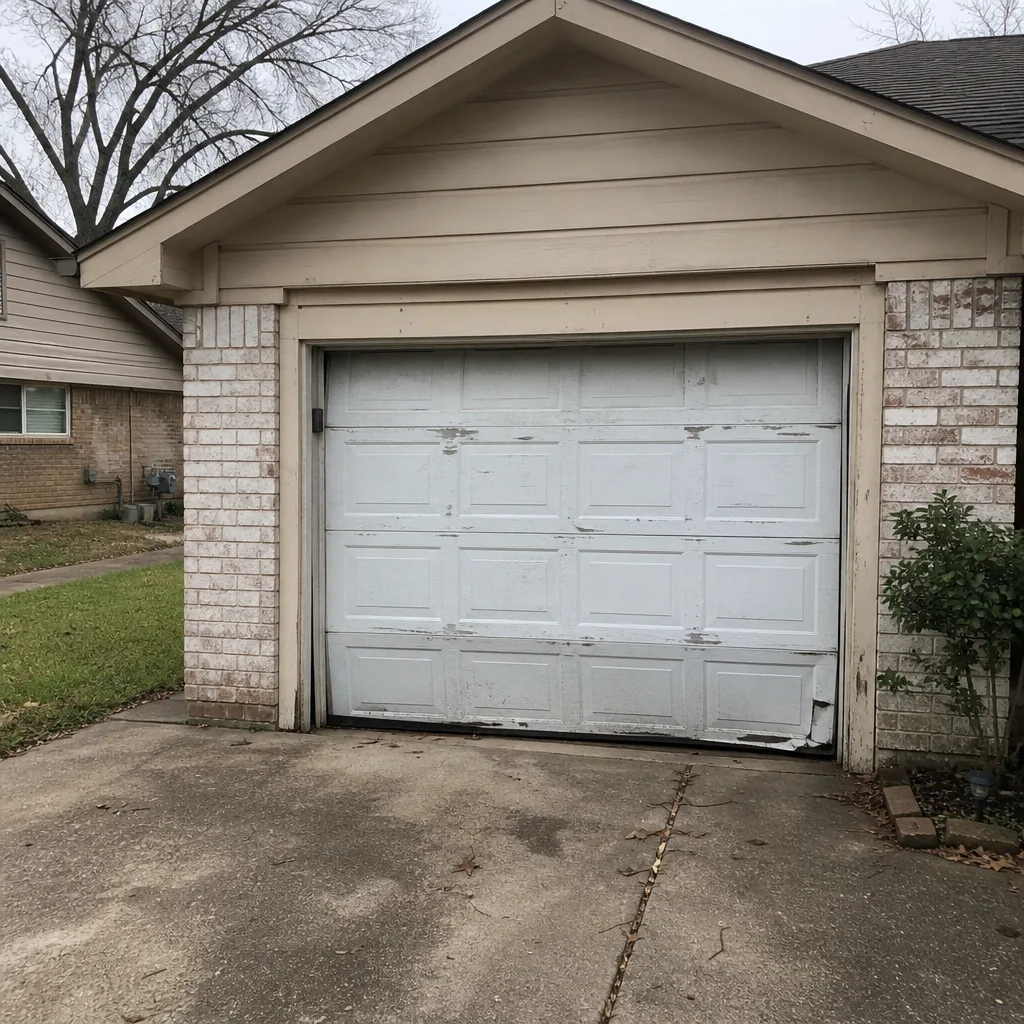 Before
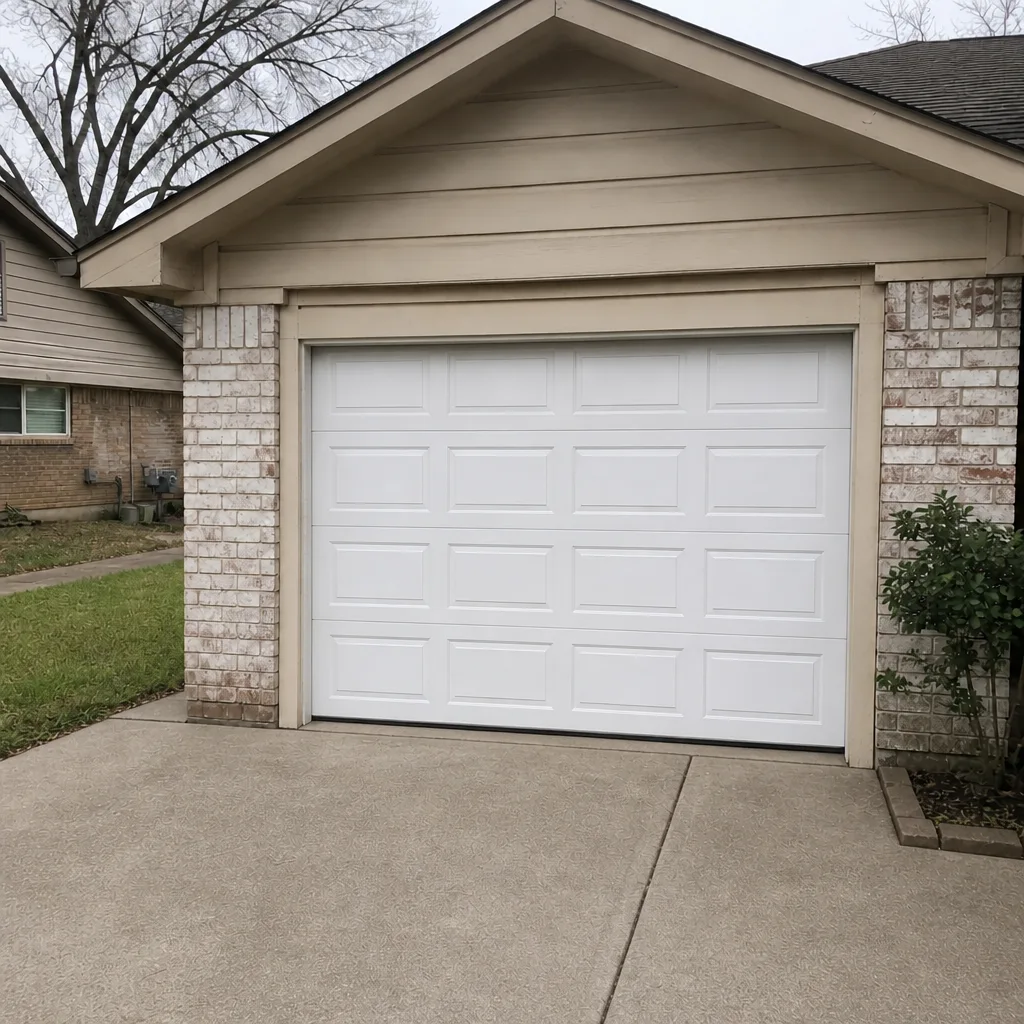 After