Last updated November 21, 2026
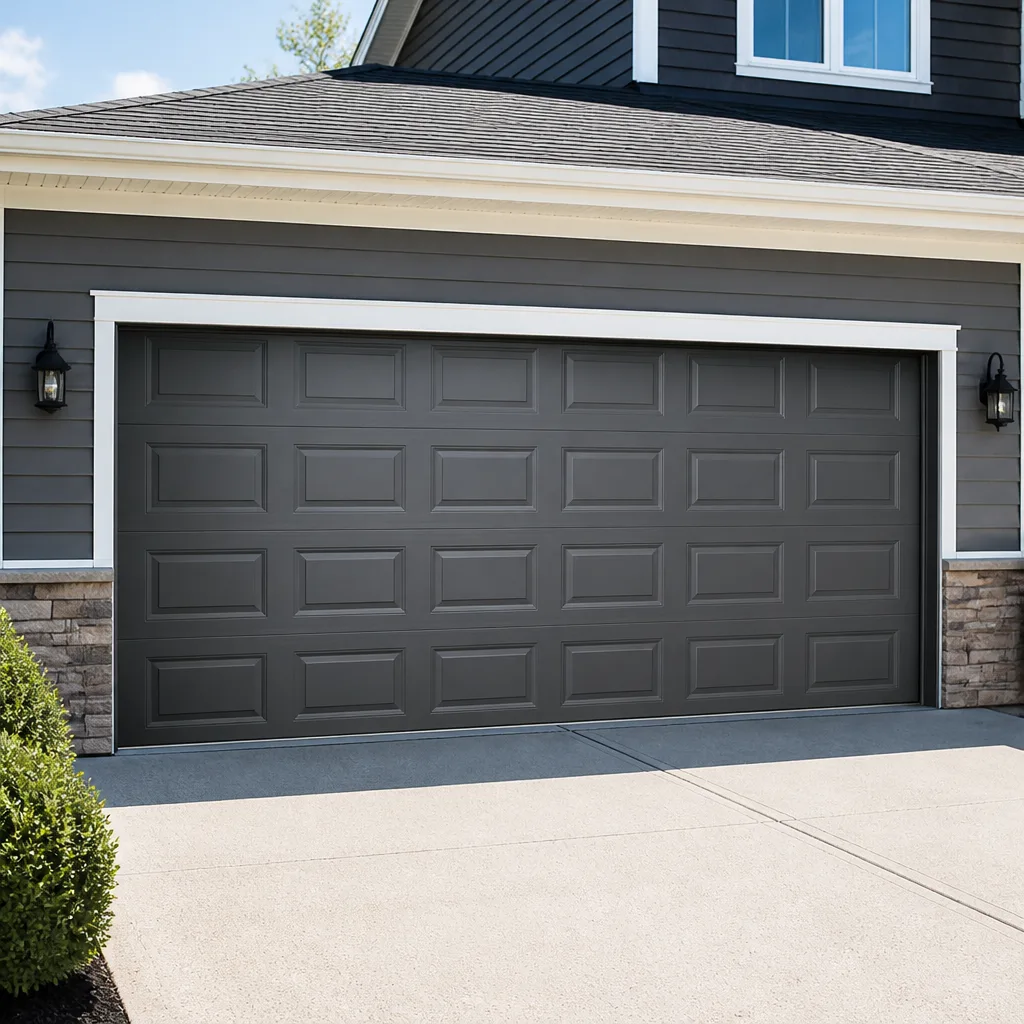 Raised-panel steel
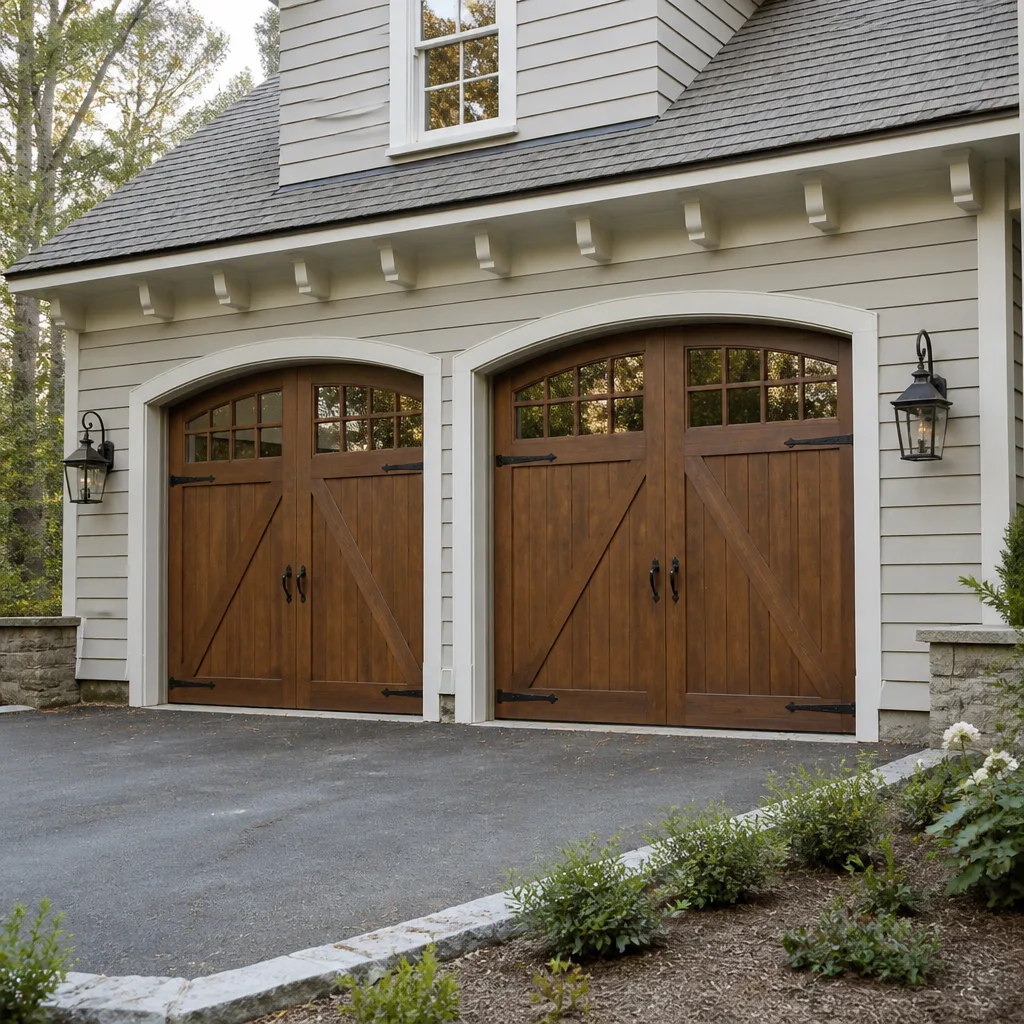 Carriage house
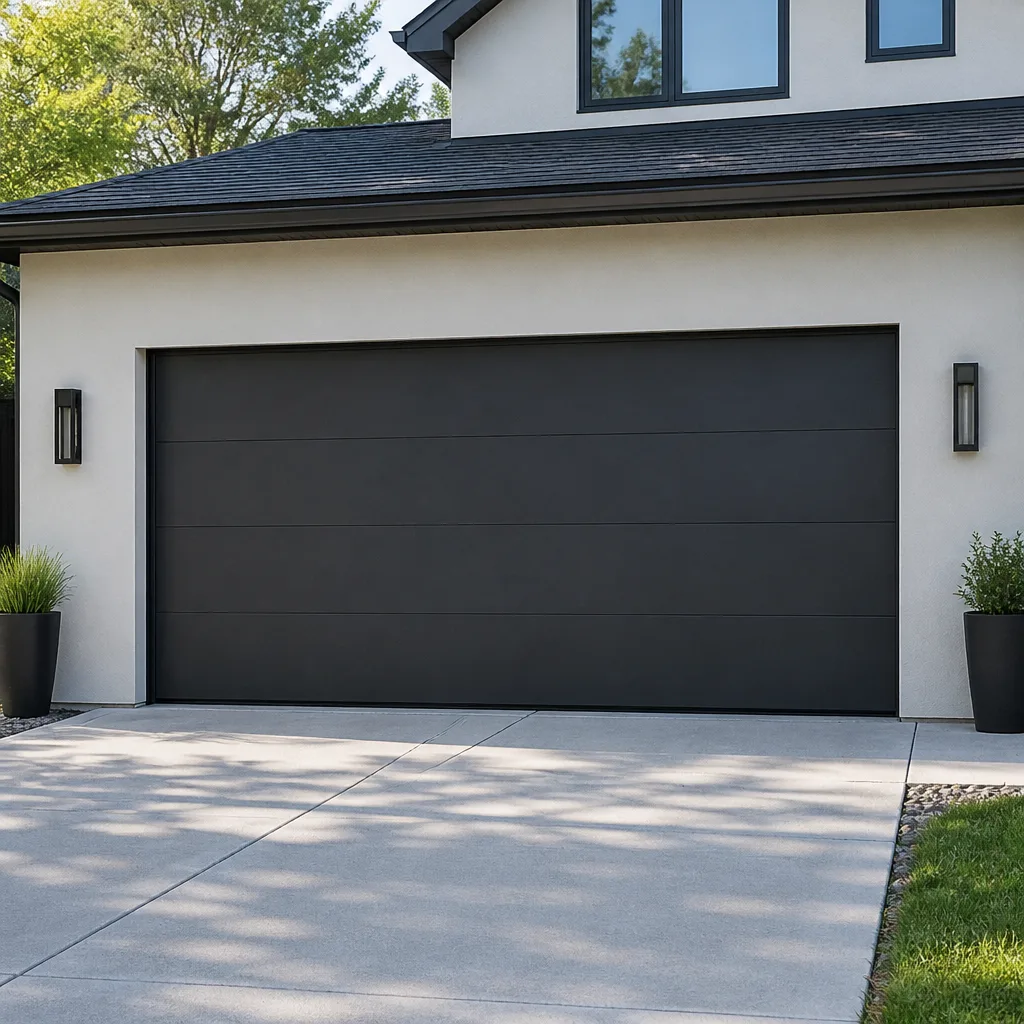 Modern flush
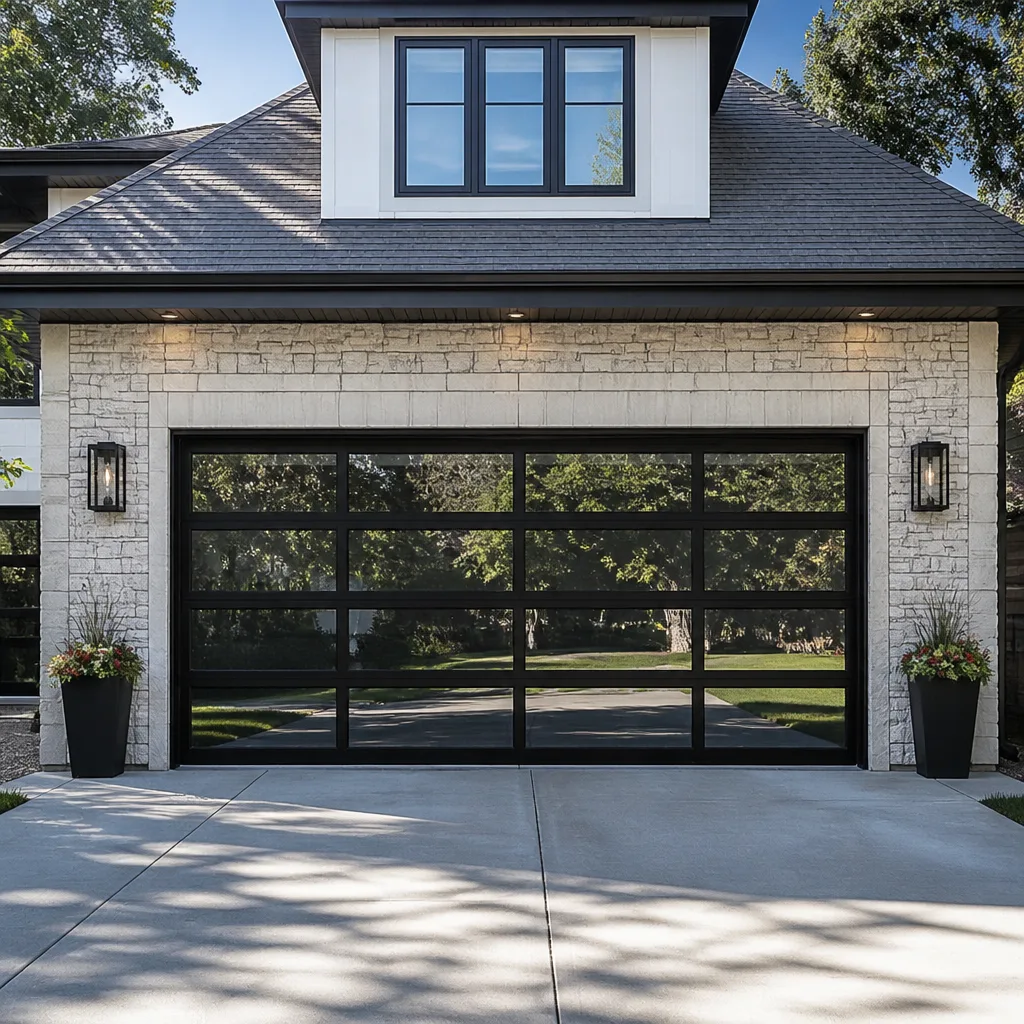 Full-view glass
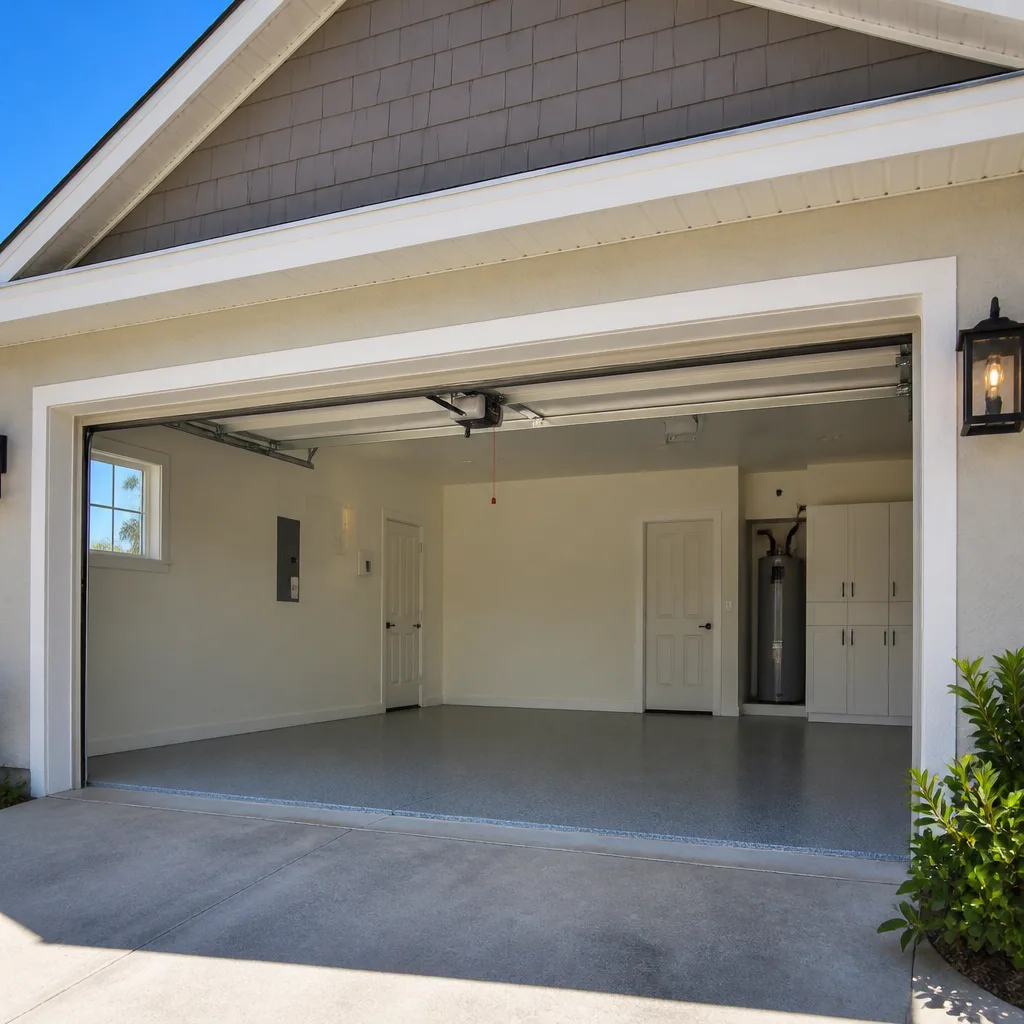 LiftMaster openers
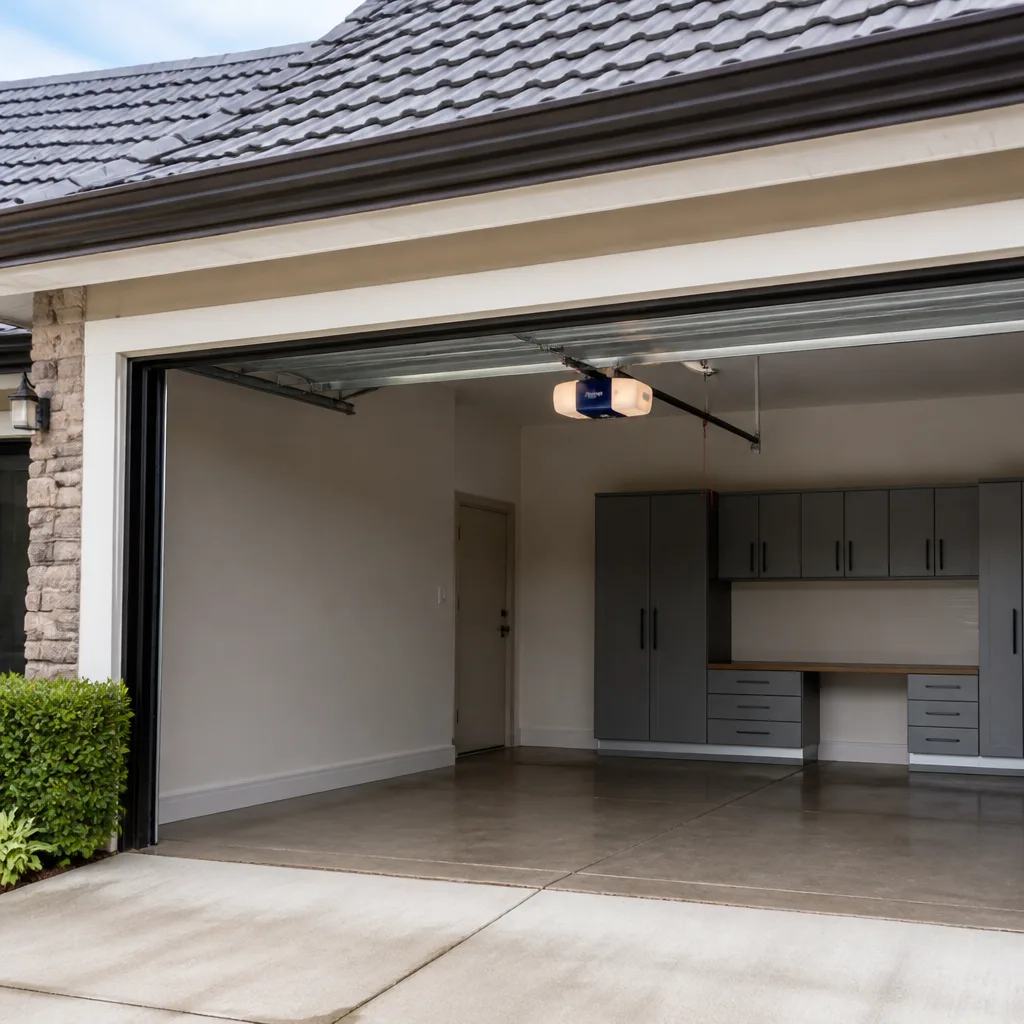 Chamberlain openers
Full 25-point door and opener safety check with every visit - springs, cables, rollers, tracks, and your LiftMaster or Chamberlain opener included
You get a price before we start. It does not change when the pro arrives.
Get your free estimateDIY vs Professional Garage Door: The Sugar Land Homeowner’s Decision Guide
Most garage door advice treats DIY as a character question: are you handy enough, brave enough, stubborn enough? That framing is wrong. The real question is what kind of task you’re facing. Swapping a remote battery and forcing a snapped torsion spring into place are both “garage door repairs,” and putting them in the same category is how people get hurt. Here in Sugar Land, where a west-facing door bakes through long, humid summers, we see how heat speeds up wear on springs, rollers and lubricant, and that changes the calculus on what’s worth doing yourself. This guide draws hard lines between the jobs a capable homeowner can safely handle and the jobs where no amount of confidence makes DIY a good idea, and it covers the real costs on both sides.
Quick Answer
Some garage door jobs are genuinely fine for a careful homeowner: lubricating moving parts, testing the safety reverse, replacing a remote battery, wiping down panels. Torsion and extension spring work, cable replacement, and anything involving the door coming off its tracks are not DIY jobs at any skill level, because stored spring tension can injure you in under a second. For everything in between, the deciding factors are warranty terms, the tools you’d have to buy, and how Sugar Land’s heat affects the parts you install.
Styles & brands we work with
- Raised-panel steel
- Carriage house
- Modern flush
- Full-view glass
- LiftMaster openers
- Chamberlain openers
Table of Contents
- Why This Is Really a Risk-Stratified Decision
- The Task-by-Task Table: Safe, Caution, Never DIY
- The Sugar Land Heat Variable
- The True Cost of DIY vs. a Professional Quote
- What Voided Warranties Actually Look Like
- The Middle Path: How to Prep and Assist
- Why Spring Repair Ends the Debate
- How to Decide in Ten Minutes
Why This Is Really a Risk-Stratified Decision
Garage doors get talked about as one system, but they’re really two subsystems bolted together. The door is panels, hinges, rollers and tracks: heavy, awkward, but forgiving. The counterbalance is springs, cables and drums, and it’s a stored-energy machine that holds a door weighing hundreds of pounds in the air. Nearly every serious garage door injury involves the counterbalance side, not the door side.
That split is the whole decision framework. Ask a simple question about any job: does it touch the spring-and-cable system? If yes, the task is not about your competence, it’s about physics. A torsion spring under tension does not care how careful you are; one slip during winding releases energy you cannot react to in time. If no, the question becomes far more reasonable: do you have the right part, the right tools, and the patience for it?
There’s a second dimension Sugar Land homeowners should weigh: consequence. A door that’s slightly misadjusted may run rough for a while. A door that comes down unexpectedly on a car, a pet or a person is a different order of problem. The counterbalance is what stops that from happening, which is why the safest split runs along that line.
Two questions to ask about any garage door task
- Does it involve the springs, cables, drums or bottom bracket? If yes, call a specialist.
- If it goes wrong, can the door fall or the opener keep running against a jam? If yes, call a specialist.
Everything else, from squeaky rollers to a remote that won’t pair, falls into the range where a careful homeowner can reasonably take a swing at it. Our Sugar Land Garage Door Repair Co team answers plenty of calls that started as DIY projects, and the honest ones are almost always in that middle range.
The Task-by-Task Table: Safe, Caution, Never DIY
Here is the classification we’d give any Sugar Land homeowner, written out plainly. The reason column matters more than the label, because it tells you why a given task is fine or off-limits.
Safe for a careful homeowner
- Lubricating hinges, rollers and tracks with a proper garage door lubricant. Low risk, high payoff, and the single best habit for door longevity.
- Testing the safety reverse by placing a roll of paper towels under the door and confirming it reverses on contact. Pure observation, no tools.
- Replacing remote and keypad batteries. Simple, and a surprising number of “my opener is broken” calls turn out to be a dead battery.
- Cleaning panels and weather seals. Cosmetic and harmless.
- Replacing a light bulb in the opener housing, using the bulb type the manufacturer specifies.
- Tightening visible hinge screws that have worked loose, using hand tools only.
Requires caution (possible, but know your limits)
- Adjusting opener force and travel limits. Two dials or menu settings, but a wrong travel limit can drive the door into the header or leave it hanging. Read the manual for your specific model first.
- Re-engaging the door after a manual release. Straightforward, but a door stuck halfway means the counterbalance has a problem, not that you pulled the cord wrong.
- Replacing a single roller. Accessible, but the door must be fully open and properly supported, and one roller on a binding track can mask a larger issue.
- Replacing a photo-eye sensor or its wiring. Low voltage, but you’ll want to confirm the alignment and the door’s behavior afterward.
Never DIY (regardless of skill level)
- Torsion spring replacement. Winding bars, stored energy, the highest-risk task in this trade.
- Extension spring replacement. Lighter on skill but still under tension, and a released spring can strike hard.
- Cable replacement. Cables are under load and can whip. There is no safe homeowner procedure.
- Drum or bottom bracket work. Both hold cable tension. Both are professional territory.
- Track straightening on a bent or bowed track. A misaligned track can throw the door off its rollers.
- Panel replacement. Pinch points, weight, and the door needs proper bracing while panels come out.
- Any work when the door is hanging crooked or the opener runs without moving it. Those are symptoms of a counterbalance failure.
If you’re not sure which column a job belongs in, that uncertainty is itself information. A quick call settles it in a minute, and our garage door repair team would rather talk you out of a risky project than meet you in the emergency room.
The Sugar Land Heat Variable
Advice written for a mild climate does not transfer cleanly to Sugar Land. Our summers run long and humid, and a west- or south-facing garage door absorbs direct sun for most of the afternoon. That changes which parts wear out, how fast, and which products hold up.
The practical effects we see: lubricant that works fine in cooler climates thins out faster, which means hinges and rollers need more regular attention here, not less. Metal expands and contracts significantly day to night, which works screws loose and puts extra stress on roller bearings. Springs cycle under load in higher ambient temperatures, so the same door that would run quietly in a cooler place can start sounding strained much sooner.
What this means for a DIY parts choice
- Lubricant matters more than brand. Use a purpose-made garage door lubricant, not general-purpose oil or grease. Reapply more often here than a northern product label suggests.
- Hardware quality shows up faster. Cheaper rollers and hinges that would do for a while in a mild climate tend to bind and squeak sooner in Sugar Land heat.
- Weather seals have a harder job. Heat and humidity wear out bottom seals and side seals faster, and a worn seal lets in both moisture and pests.
- Opener motors work harder. Consistent heat and heavy use put more strain on gear and drive components, which is one reason we see opener issues so frequently.
The takeaway is not that DIY lubricating and hardware swaps become impossible in Sugar Land. It’s that they need doing more often, and doing well. A cheap part or the wrong lube just means the same job again next year. Anything that touches the springs gets the same answer regardless of the season.
The True Cost of DIY vs. a Professional Quote
Homeowners usually compare one number: the part price on a shelf versus a quote. That’s not a cost comparison, it’s a fraction of one. A fair comparison accounts for tools, retail parts, your time, and the chance of rework. Here’s how the columns actually break down.
DIY cost, itemized honestly
- Parts at retail. A single hinge or roller is inexpensive; a full set of quality rollers or hinges adds up.
- Tools. Proper winding bars are affordable, but a full set of rated tools for a real repair is not. Most homeowners end up buying tools that get used once.
- Your time. The lookup, the trip to the store, the part that doesn’t fit, the second trip.
- Rework risk. A tightened roller that binds, a mis-set travel limit, a part that wears out in a year because it wasn’t the right spec for the door.
- The unrecoverable line. Spring, cable and bracket work where a mistake can cost you an injury, not a refund.
Professional cost, itemized honestly
- Diagnosis. The right part the first time, based on what’s actually wrong rather than the symptom.
- Parts and labor in one number. Quoted before anything begins.
- Tools you don’t buy. Specialists arrive with the rated equipment the job requires.
- The written estimate sets the price. Nothing changes after the fact because the job was harder than expected.
For a $30 roller or a loose hinge, DIY wins comfortably. For anything that touches the counterbalance or requires rated tools, the total cost of DIY usually closes the gap on its own, and that’s before the rework risk. Sugar Land homeowners with an older door and a long punch list almost always come out ahead calling a specialist: the diagnosis alone saves a second round of part buying.
The anxiety most people carry into that call is a different one: “what if the quote turns into an invoice I didn’t see coming?” That’s a fair fear, and the answer is simple. You get a free estimate, you approve it in writing, and the price is agreed before any work starts. That protects you from the worst DIY outcome – spending money, time and risk, and ending up with a door that still doesn’t work.
What Voided Warranties Actually Look Like
Warranty language is where a lot of DIY garage door repairs quietly cost more than they saved. Opener and door manufacturers write installation and adjustment terms into their coverage, and those terms don’t care that you did the job carefully. They only ask whether the work was done as specified.
Practically, here’s what we’d tell a Sugar Land homeowner to check before picking up a tool:
- Read the installation and adjustment sections of the manual that came with your opener or door. These list the settings and procedures the manufacturer considers required, and the coverage is typically conditioned on them.
- Look for the word “authorized” or “qualified.” Many warranties specify that installation, spring replacement or major adjustment must be done by a qualified technician to remain in force.
- Keep your paperwork. A receipt for a replacement spring, opener part or panel is often the proof of ownership that a warranty claim requires.
Brand matters here, which is one reason we work across garage door opener repair on Genie, LiftMaster, Chamberlain, Craftsman and the rest. Each one phrases its coverage differently, and knowing the language of a given brand’s terms saves homeowners from a claim they cannot make. The brands we see most often, Clopay, Amarr, Wayne Dalton and Genie, all build their coverage around documented, correct installation.
Our technicians have up to 11 years of experience, and part of that experience is knowing which repairs a manufacturer quietly excludes once the work was done outside the spec. If your door or opener is still under warranty, that factor alone can tip the decision toward professional repair even on a task that would otherwise be safe to DIY.
The Middle Path: How to Prep and Assist
There’s a sensible third option most DIY-versus-professional arguments miss. You can genuinely help a specialist without ever touching the high-risk side of the door, and doing so keeps the visit shorter and the labor cost lower.
What you can do to prepare
- Clear the garage floor and the door’s path. Removing cars, bikes and storage from the door area is the easiest way to cut a visit shorter.
- Note the symptoms, not the suspected cause. “Door goes up twelve inches and stops” tells a technician more than “I think the spring is bad.”
- Gather documentation. The opener brand and model number, the door brand if you know it, and any warranty paperwork. A quick photo of the label on the opener housing is worth its weight.
- Watch the opener’s light codes when you operate the door. The number of flashes is often a diagnostic code, and noting it saves time on site.
- Test what you safely can before calling: the remote, the wall switch, the safety reverse. That tells the specialist whether the issue is the opener, the door, or the counterbalance.
What you should not attempt to help with
- Any adjustment or removal of the springs.
- Cable work of any kind.
- Lifting or blocking up a door that’s off its tracks.
For a scheduled visit, this preparation is genuinely useful. For an emergency, the fastest help is a call. Our garage door spring repair team handles the task that homeowners should never prepare for themselves, and emergency availability exists for exactly those moments when the door has to be made safe and closed.
Why Spring Repair Ends the Debate
A torsion spring on a standard residential door is wound up to hold the entire weight of the door in balance. That energy is stored whether the door is up or down, and it doesn’t degrade gracefully when it breaks. It releases. This is not a case where being careful compensates for the risk, because the risk isn’t mistake-driven in the way a poorly hung shelf is. One miscalculation during a winding procedure has no recovery window.
Against that, the DIY case for spring repair comes down to cost. Professional spring replacement is one of those repairs whose price is real but modest, and the value is not just the part: it’s the rated winding bars, the knowledge of how many turns a given door needs, and the experienced eye that catches a worn cable or an off-center drum while the door is apart. We replace a matched pair when it’s called for, and we don’t sell a job the door doesn’t need.
The point worth repeating: this is not an argument about competence. A homeowner who’s genuinely capable with tools is still facing a physical machine that can injure anyone who misjudges it. Once springs and cables are in scope, the decision is made for you, and the same rule applies to any door, whether it’s a Clopay, Amarr or Wayne Dalton model in a Sugar Land garage.
How to Decide in Ten Minutes
If you’ve made it this far and want a fast framework, use this checklist. It resolves most Sugar Land garage door questions without a call.
- Does the task touch springs, cables, drums or the bottom bracket? If yes, call a specialist. The answer is settled.
- Does the door look or act unsafe? A door hanging crooked, an opener running without moving the door, or a jam that won’t clear all point to the counterbalance side. Call.
- Is there a warranty on the door or opener? Read the terms first. If the warranty requires qualified work, call.
- Would you need a tool you don’t own and won’t use again? Factor that into the cost. Often the professional quote is the cheaper path.
- Can you do the task safely and slowly, on a door that is at rest and on its tracks? If yes, this is a fine DIY job.
- Is the task purely routine? Lubrication, batteries, cleaning, safety reverse, loose screws. These are yours to handle.
For everything on the “call” side, the estimate is free and the price is agreed before any work begins. That removes the biggest objection to calling: not knowing what it’ll cost until you’re committed.
Common Mistakes to Avoid
- Assuming a quiet door means a healthy door. A squeak is a warning; silence is not proof of health. Sugar Land heat can hide wear until a spring or cable fails without warning.
- Using WD-40 or general oil as a lubricant. Neither is a garage door lubricant. Both attract dust and dry out, leaving rollers and hinges worse than before.
- Replacing one spring when the pair is worn. Springs wear at the same rate. Replacing one usually means the other fails soon after, and a matched pair is the standard practice.
- Adjusting the opener’s force limit to overcome a binding door. If the door binds, the problem is the door, not the force setting. Cranking force up wears the opener out faster and masks the real issue.
- Assuming the remote is broken when the battery is dead. A huge share of “my opener won’t respond” calls end at a coin cell. Check the battery first.
- Continuing to run a door that stops halfway. That behavior usually means the counterbalance is failing. Running it again puts more load on a compromised system.
- Ordering a part online before diagnosing the actual problem. A wrong part on a correctly diagnosed door is one thing; a wrong part on the wrong diagnosis wastes two trips and delays the real fix.
- Ignoring the safety reverse test. It’s a ten-second check that tells you whether the door will reverse on contact with an object. If it doesn’t reverse, stop using the door.
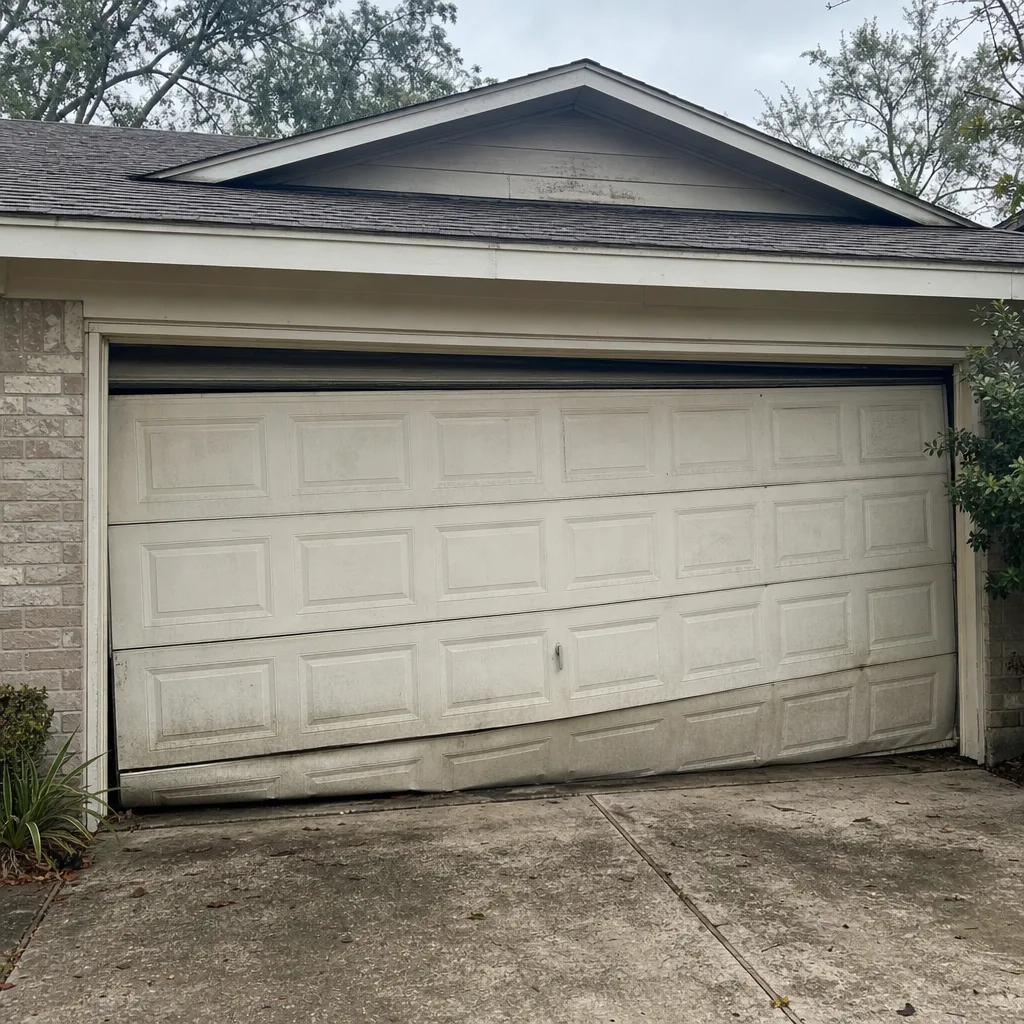
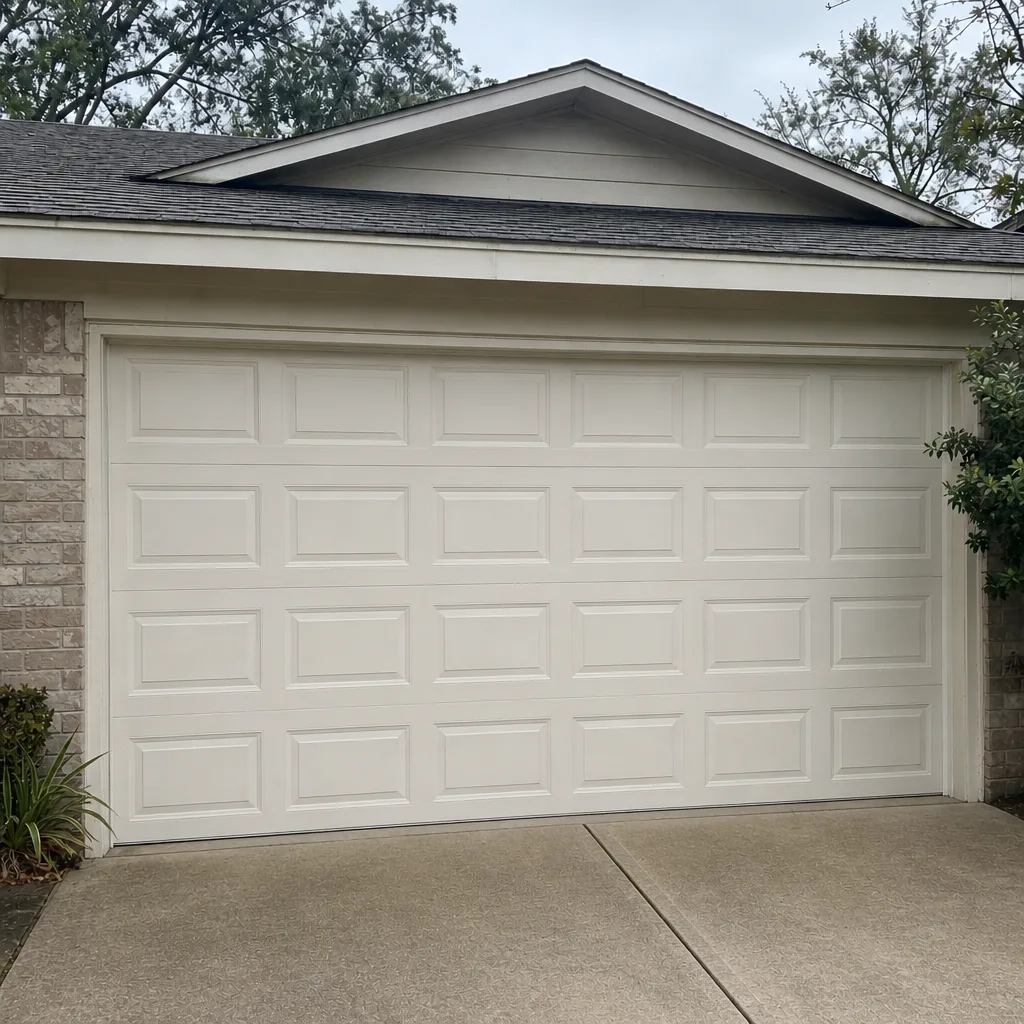
See the difference
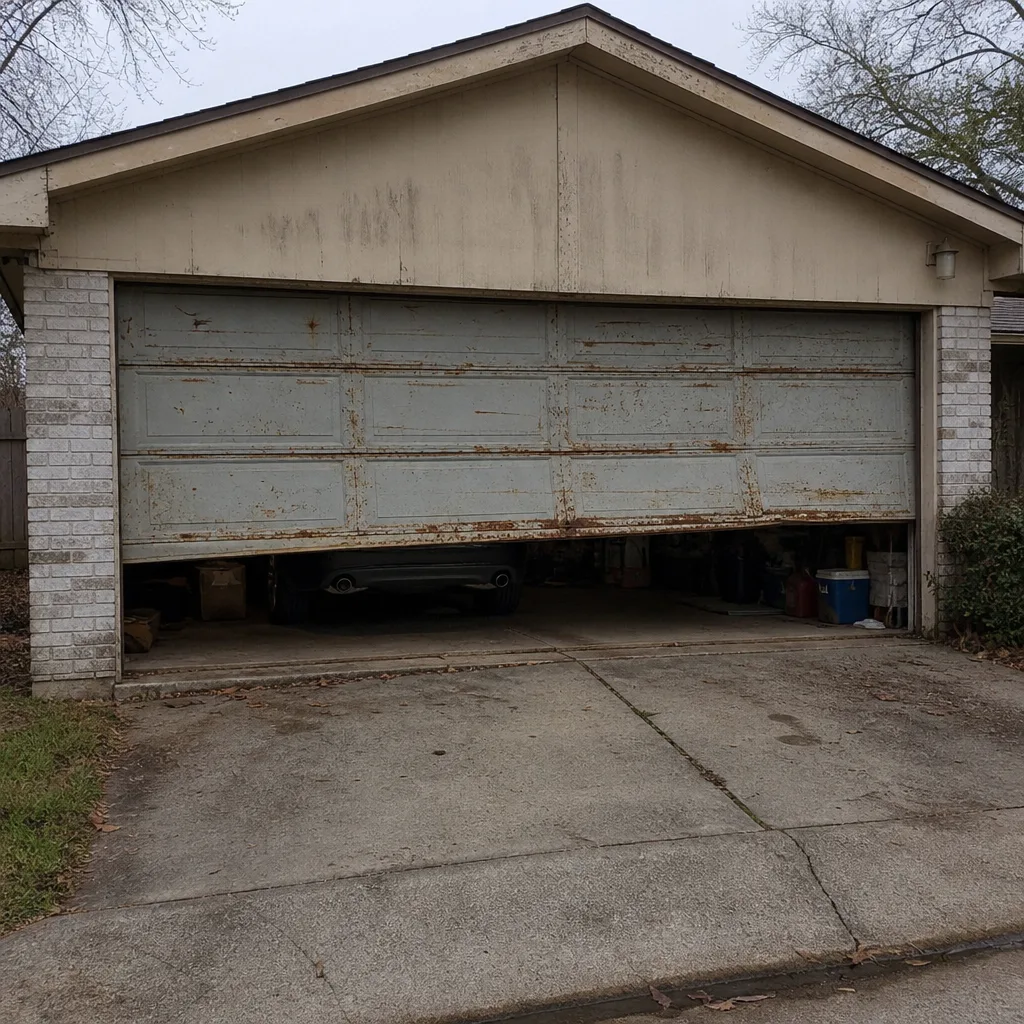 Before
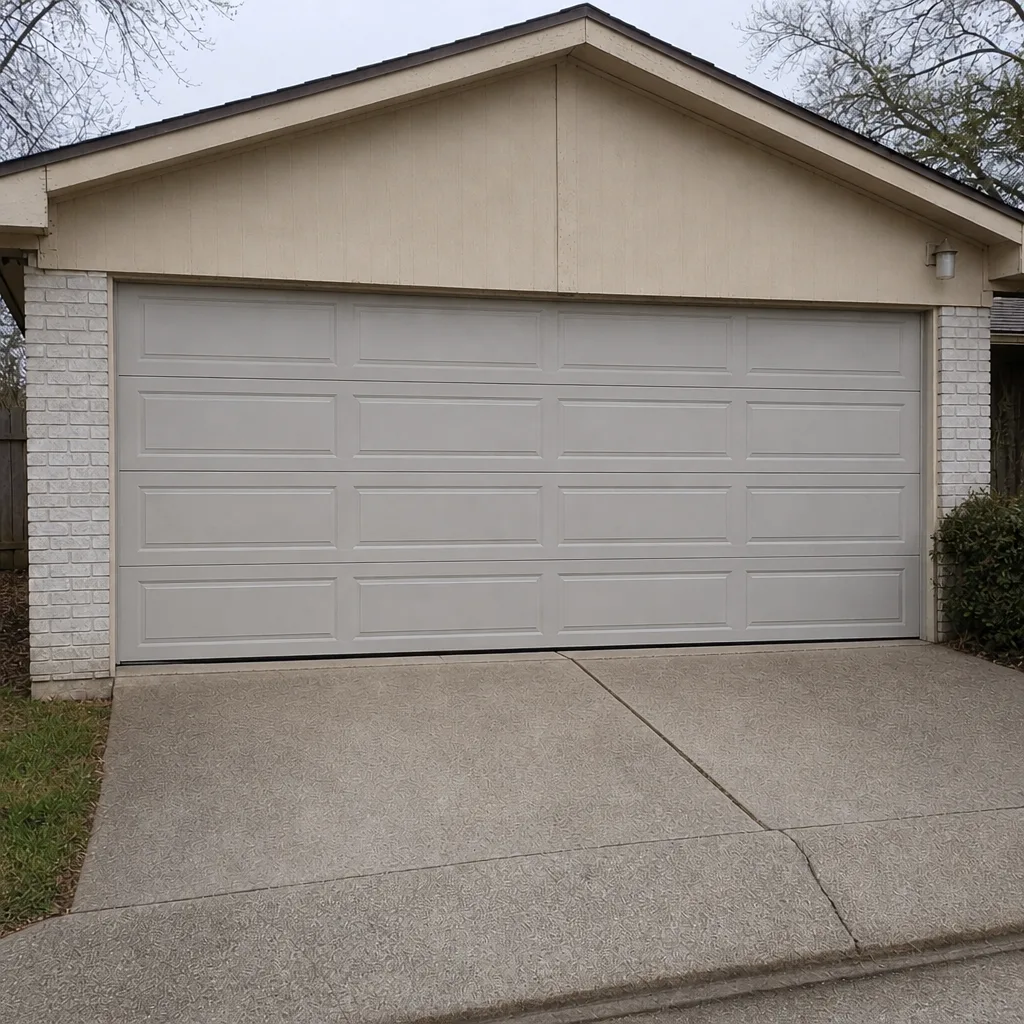 After
 Before
 After
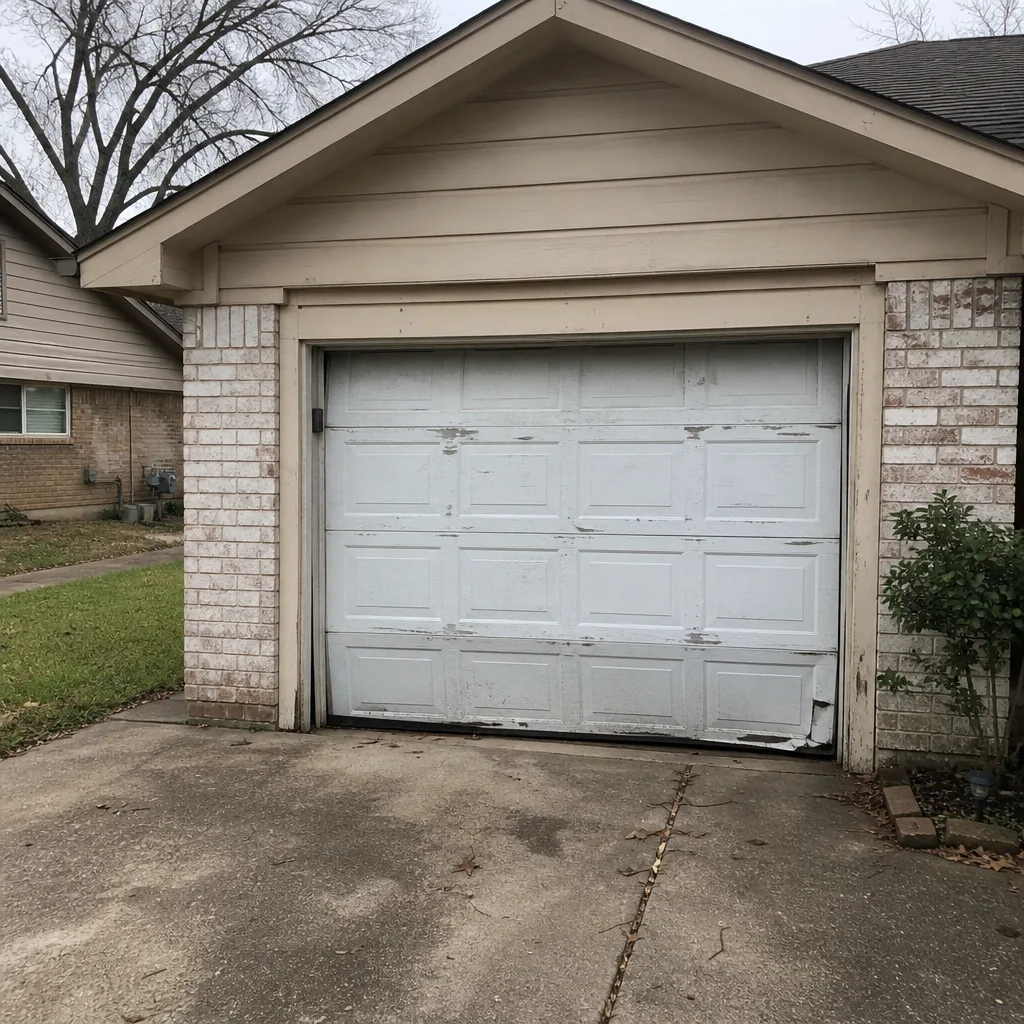 Before
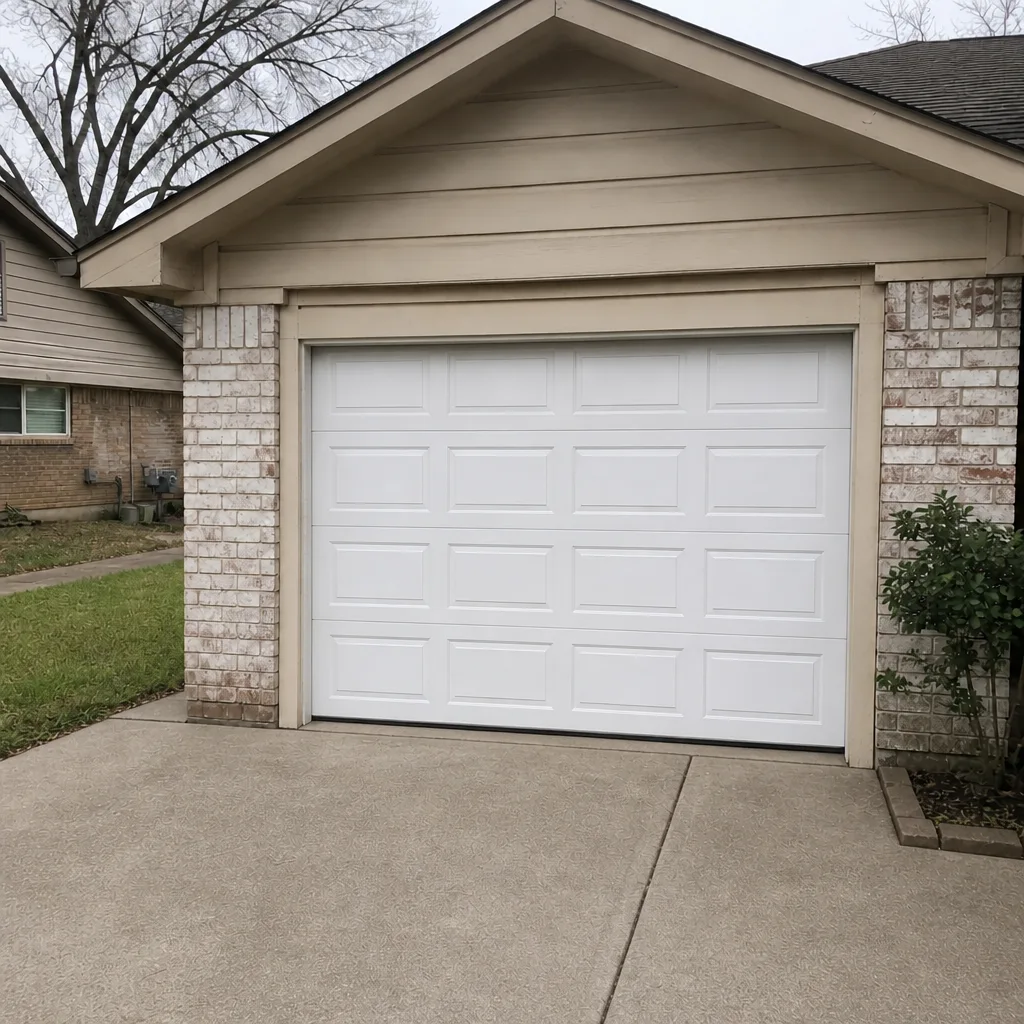 After
When to Call a Professional
Call a specialist for any spring, cable, drum or bracket work; any door that’s hanging crooked, off its track, or refusing to open evenly; any opening with a snapped spring; and any situation where the door won’t close and you can’t leave it that way. Call if your door or opener is under warranty and the terms require qualified work. Call if you’ve tried a repair twice and it hasn’t held. And call for routine service you’d rather not do yourself, such as balancing a door, replacing worn rollers or installing a new door and opener together. Sugar Land Garage Door Repair Co offers free estimates in Sugar Land, and our technicians handle the repair and the installation in one place. Call (833) 509-3010 to get started, and the price is quoted and agreed before any work begins.
Frequently Asked Questions
No. Torsion and extension springs store enough energy to injure someone in under a second, and there is no recovery if a winding procedure goes wrong. Rated winding bars and experience with the specific door are the difference between a safe repair and a serious accident. Call a specialist; a spring repair is a routine visit for our Sugar Land team. Call (833) 509-3010 for a free estimate.
Repair cost depends heavily on the task: a roller or hinge replacement is a small job, a spring replacement is a moderate one, and an opener replacement or partial panel replacement can run higher. The honest answer is that any quote you get should be a written estimate that sets the final price, so you know the number in advance. That’s what we provide, and it’s free. Call (833) 509-3010 for an exact quote.
Often, yes. Opener and door manufacturers frequently condition their coverage on installation, spring replacement and major adjustment being done by a qualified technician, and they can decline a claim if the work wasn’t done to spec. Read the terms in your manual for the exact language that applies to your brand. If you’re unsure, a call settles it. Call (833) 509-3010 for a free estimate.
Lubricating hinges and rollers with a purpose-made garage door lubricant, replacing remote and keypad batteries, cleaning panels, testing the safety reverse, and tightening visible screws are all safe for a careful homeowner. Anything touching springs, cables, drums or the bottom bracket belongs with a specialist. If a task leaves you unsure, don’t guess. Call (833) 509-3010 for a free estimate.
Only if the tools are things you’ll use again on other projects. Winding bars for a spring, a set of rated clamps for a cable, or specialty hardware usually get used once, and the cost often erases the savings over a professional quote. Lubrication and routine checks are the exception: those are worth owning. Call (833) 509-3010 for a free estimate on the parts you don’t want to buy.
Yes. Long, hot, humid summers wear out lubricant, seals and hardware faster than a milder climate would, so hinges and rollers need more frequent lubrication and weather seals should be checked more often. Direct afternoon sun on a west-facing door accelerates that wear. A regular spring check is smart in Sugar Land. Call (833) 509-3010 for a free estimate on any repair.
The Bottom Line
The DIY-versus-professional question for a garage door isn’t about pride, and it isn’t about skill. It’s about where the task sits on a risk ladder. Lubricate, test, clean and tighten: do those yourself. Spring, cable, drum and bracket work: never DIY, because the physics don’t care how careful you are. Everything in between comes down to warranty terms, the real cost including tools and rework, and how much of your weekend you’re willing to spend. Sugar Land’s climate adds one more wrinkle, pushing lubricant, seals and hardware to wear out faster and making quality parts and routine care worth the investment. When in doubt, the estimate is free and the price is agreed in writing before work starts. Call (833) 509-3010 and we’ll help you sort out which column your job belongs in.
Written by the team at Sugar Land Garage Door Repair Co.