Last updated November 21, 2026
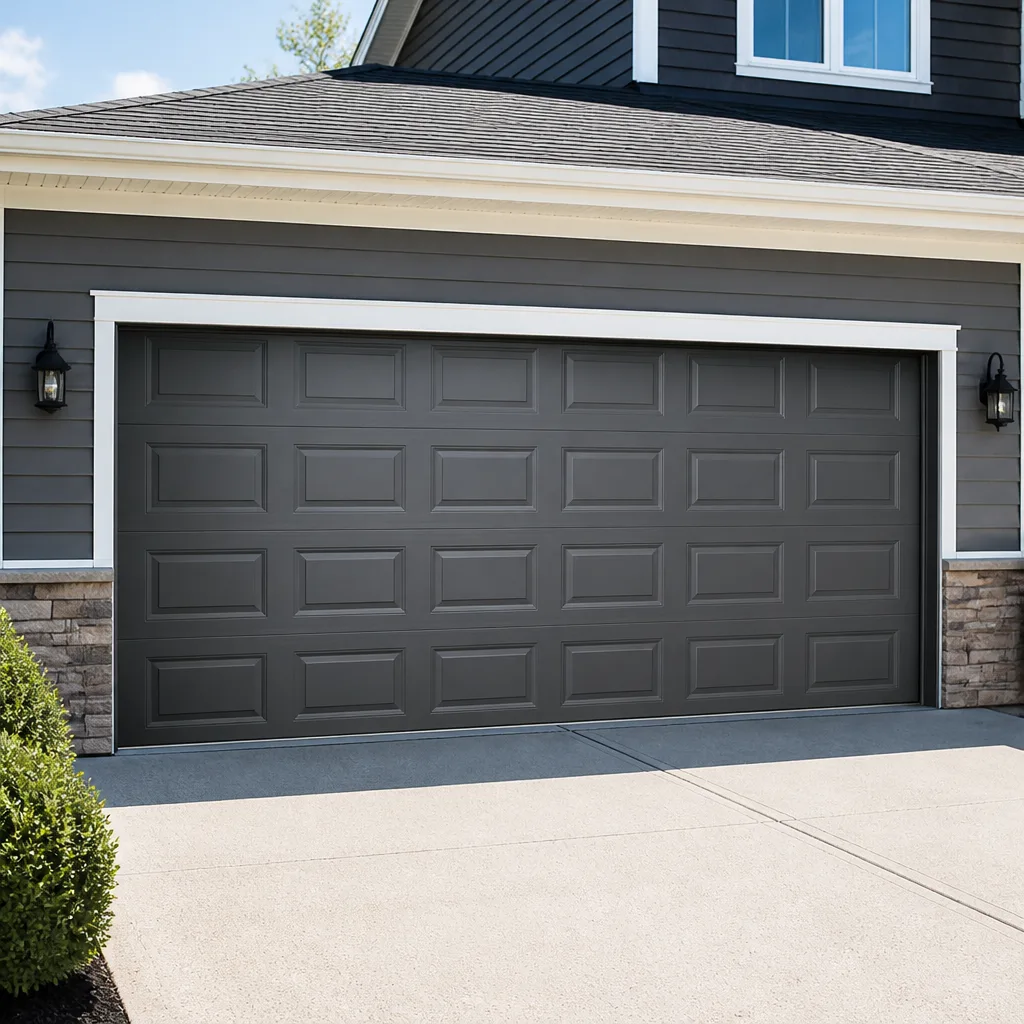 Raised-panel steel
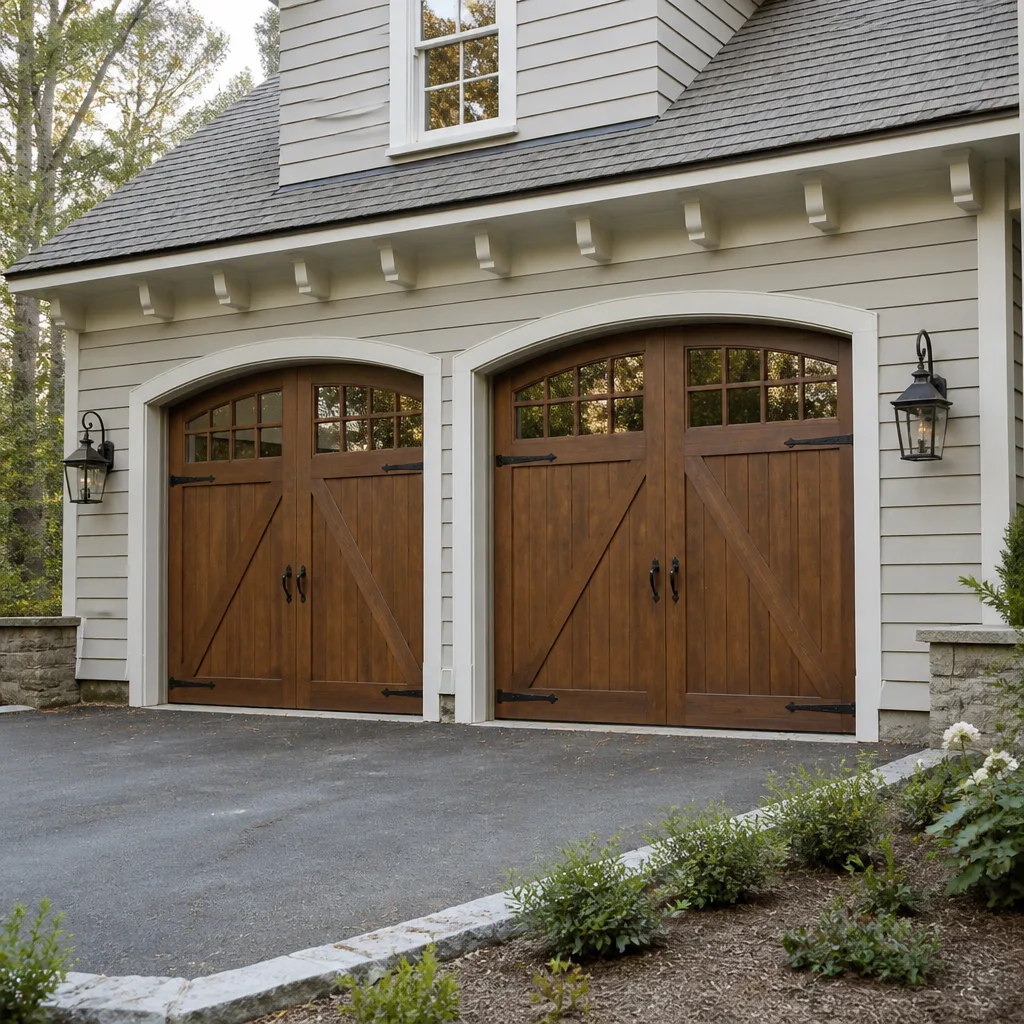 Carriage house
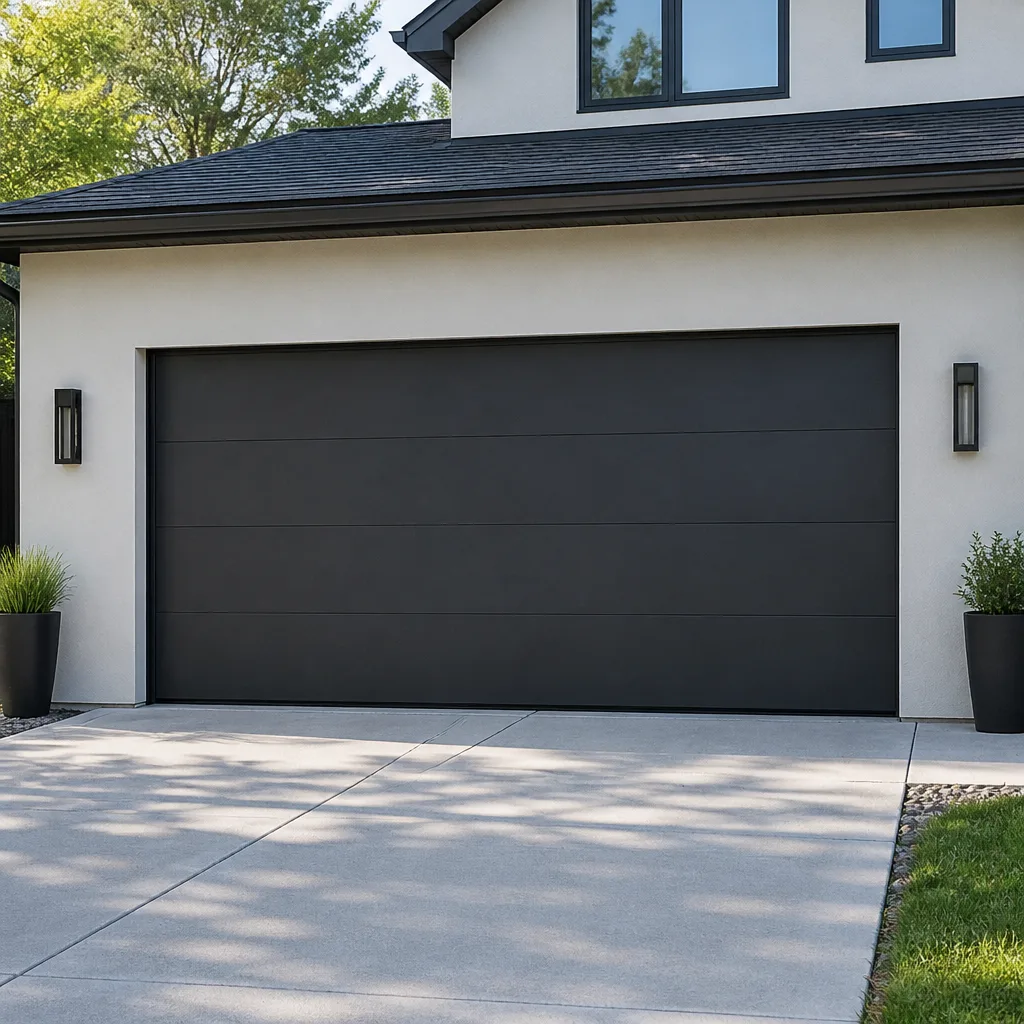 Modern flush
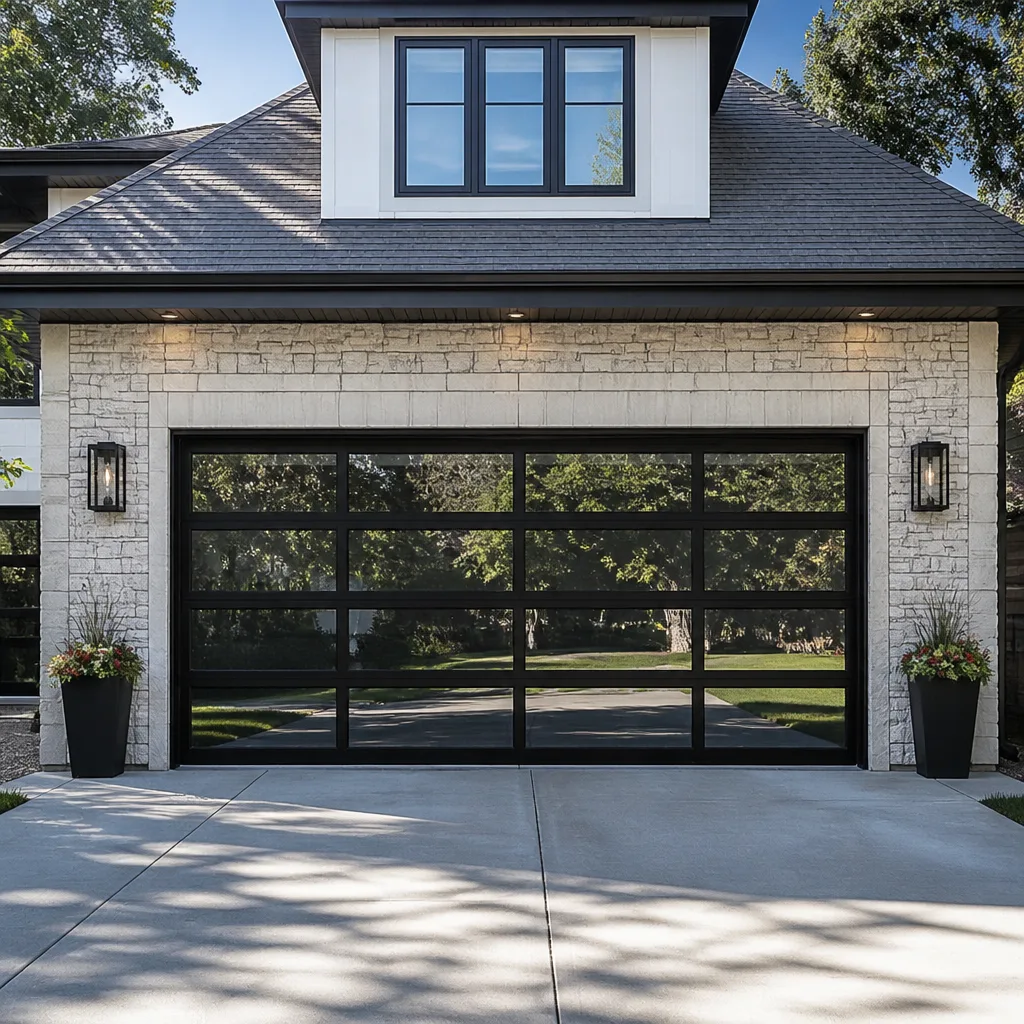 Full-view glass
 LiftMaster openers
 Chamberlain openers
Full 25-point door and opener safety check with every visit - springs, cables, rollers, tracks, and your LiftMaster or Chamberlain opener included
You get a price before we start. It does not change when the pro arrives.
Get your free estimateGarage Door Permits, Codes & Inspections in Sugar Land, TX: What You Need to Know
Most homeowners assume a garage door is a repair item, not a permitting one, so the paperwork catches them off guard at the worst possible time. A full garage door replacement done without the required permit in unincorporated Fort Bend County can delay a home sale closing, not because anyone is hunting for it, but because a thorough buyer’s inspection will flag unpermitted structural modifications. In this guide we’ll walk through where the line sits between a repair and a replacement that needs a permit, how Sugar Land HOA architectural review stacks on top of city code, what the two stages of inspection actually check, and who is legally responsible for pulling the permit. If you’re planning a new door or bought a home with questionable past work, this is the page to read before you sign anything.
Quick Answer
A like-for-like garage door repair, such as a spring, opener, or panel swap, generally does not require a permit in the City of Sugar Land or unincorporated Fort Bend County. A full garage door replacement that changes the opening, the header, or the structural attachment often does trigger a permit, and your Sugar Land HOA’s architectural review committee can impose stricter style, color, and material rules than the city ever will. The contractor performing the work normally pulls the permit, but the homeowner carries the legal responsibility for making sure it was pulled and that the final inspection passed.
Styles & brands we work with
- Raised-panel steel
- Carriage house
- Modern flush
- Full-view glass
- LiftMaster openers
- Chamberlain openers
Table of Contents
- When a Garage Door Replacement Needs a Permit in Sugar Land
- What Counts as a Repair and Skips the Permit
- How Sugar Land HOA Architectural Review Interacts with Code
- Rough-In Inspection vs. Final Inspection for a Garage Door
- Who Pulls the Permit: Contractor or Homeowner?
- Bought a Home with Unpermitted Garage Door Work?
- Why This Matters at Resale in Fort Bend County
- Common Mistakes to Avoid
When a Garage Door Replacement Needs a Permit in Sugar Land
The single most useful rule for Sugar Land homeowners: a permit is usually triggered by structural change, not by the act of swapping a door. Replacing a sectional door of the same size in the same opening, using the same track layout, sits on the repair side of the line in most cases. Change the geometry of the opening or how the door attaches to the house, and you’ve moved into permitting territory.
The confusion comes from how differently the City of Sugar Land and unincorporated Fort Bend County handle these questions. If your home is inside Sugar Land city limits, the city’s building department is the authority. If you’re in one of the unincorporated subdivisions that carries a Sugar Land mailing address, Fort Bend County handles the permitting. The two don’t always interpret a garage door replacement the same way, and a contractor who works across the whole area learns to ask which jurisdiction a house sits in before quoting.
Structural changes that typically require a permit:
- Widening or heightening the garage door opening, which changes the header and framing
- Converting a garage door to a different configuration, such as adding a second single door
- Altering the attachment of the track to the wall framing or the torsion system to the header
- Replacing a door on a garage that was enclosed or converted, where egress or ventilation is at stake
- Any change that affects the structural header above the opening
Work that generally does not require a permit:
- Replacing a broken torsion or extension spring with the same specification
- Repairing or replacing a garage door opener and its rails
- Replacing damaged panels on the same door
- Roller, hinge, cable, and weather seal replacement
- Routine adjustment and lubrication
The practical takeaway: if you’re staying in the same hole in the wall, it’s almost certainly a repair. If the hole is changing shape, assume a permit is required until the building department tells you otherwise. Never take a contractor’s word over the jurisdiction’s. A quick call to the City of Sugar Land building department or Fort Bend County permits office settles it in minutes, and that call is free.
What Counts as a Repair and Skips the Permit
Repairs are the overwhelming majority of what happens to garage doors in Sugar Land, and almost none of them involve a permit. Knowing which category you’re in keeps you from either over-permitting a simple fix or under-permitting a structural job.
A repair means restoring the door to its original working condition without changing the structure of the opening or the attachment of the door to the house. Springs, cables, rollers, hinges, openers, sensors, and panels all fall in this bucket. So does replacing a torsion system with an identical one. None of these change load paths or the building envelope.
What pushes a job out of the repair category is anything that would show up on a framing inspection. If track has to be re-anchored to new blocking, if the header needs sistering, if the opening dimensions change, or if the door gets heavier or lighter enough that the structural system has to be re-engineered, you’re in permit territory. This is the kind of judgment call a garage door specialist makes on site. A generalist with a truck and a ladder often doesn’t know the difference until the inspector does. That’s part of why we stick exclusively to this trade: garage door repair is all we do, so the distinction between a repair and a structural change is second nature.
Consider how this plays out in Sugar Land neighborhoods. In First Colony, most homes have steel or aluminum sectional doors on standard openings, and like-for-like panel swaps and spring replacements happen without permits all the time. In Telfair and Riverstone, newer construction often uses taller openings and carriage-style doors, so homeowners sometimes want to change door height for aesthetics. That change can alter the header load, and that’s where permitting becomes real. In older pockets around Sugar Creek, enclosed carports and retrofitted openings are more common, and those retrofits frequently need to be reviewed. None of this is about the door itself. It’s about what the door attaches to.
If your spring snaps or your opener fails, you’re in repair land. Call us and we’ll give you a free estimate. If you’re changing the opening, we’ll tell you to check with your permitting authority first. That’s the honest sequence.
How Sugar Land HOA Architectural Review Interacts with Code
Here’s what catches Sugar Land homeowners off guard: your HOA’s architectural review can be stricter than the city code, and getting one approval without the other can undo the first. The HOA is a private contract. The city code is a public one. You have to satisfy both.
Sugar Land is a heavily HOA-governed city. First Colony, Riverstone, Telfair, Greatwood, Sienna, New Territory, and most of the newer master-planned communities all have architectural review committees. Those committees care about style, color, material, window placement on the door, and sometimes the brand and profile of the panels. They frequently require approval before work begins, not after. A door that meets Fort Bend County structural code can still fail your HOA’s aesthetic rules and force you to remove and replace it at your own expense.
What an HOA architectural review application typically asks for:
- The proposed door model number and manufacturer (Clopay and Amarr are the most commonly pre-approved, since they offer color-matched carriage and modern profiles)
- A color sample or photo of the finish
- Photos of the current door and of neighboring homes, to show the proposed change fits the street
- Dimensioned drawings or a spec sheet showing the door and opening dimensions
- The contractor’s name and contact information
Approval timelines vary widely by community. Some architectural committees meet weekly. Others review monthly, and a resubmittal after a denial adds another cycle. Build that into your planning before you order a door. A custom door that arrives before the HOA approval can sit in a warehouse longer than you’d like.
Where code and HOA overlap: both care about the door operating safely and closing fully, and both care that it doesn’t look like a rolling steel commercial door on a suburban street. Where they diverge: the HOA will care about color, panel profile, and window trim in ways the building department never will. The building department will care about the structural attachment and the safety of the torsion system in ways the HOA never will. Two separate approvals, two separate checklists.
In our experience, the smoothest projects are the ones where the homeowner gets HOA approval in writing before the door is ordered, then the contractor handles the city or county permit, then the work happens, then the final inspection passes, and a copy of that final inspection goes into the closing folder. That sequence avoids almost every headache.
Rough-In Inspection vs. Final Inspection for a Garage Door
When a garage door replacement does require a permit, there are typically two inspection stages, and they check different things. Understanding the difference keeps you from failing a final inspection over something that should have been caught at rough-in.
Rough-in inspection happens after the framing and attachment are in place but before the door is finished out. This is where the inspector checks:
- Header size and condition, and whether it’s adequate for the door configuration
- Track attachment to the wall framing, with proper blocking and fasteners
- Torsion bar mounting and its attachment to the header
- Whether any structural changes match the approved plans
- Fire separation between the garage and the living space, if the opening work touches that boundary
Final inspection happens after the door is installed and operating. This is where the inspector checks:
- The door opens and closes fully and smoothly
- Openers with modern safety reversing features have working photo-eye sensors
- The auto-reverse function engages on contact as designed
- The door is securely attached and doesn’t rack or bind
- Windows, if any, are present and correctly installed
What fails a rough-in most often is missing or undersized blocking behind the track, or a header that doesn’t match the approved plans. What fails a final most often is a photo-eye sensor that’s misaligned, a door that doesn’t seal fully at the floor, or hardware that’s loose. Both are avoidable when the install is done by door specialists rather than a generalist.
If you have a LiftMaster or Chamberlain opener installed as part of the replacement, the inspector will pay specific attention to the safety sensors and the auto-reverse behavior. If they don’t function, the final doesn’t pass, no matter how nicely the door hangs. That’s not a permitting issue. That’s a safety issue, and it’s one of the leading reasons we get called in to fix a stalled final inspection.
Who Pulls the Permit: Contractor or Homeowner?
In Sugar Land and Fort Bend County, the licensed contractor who performs the work typically pulls the permit. But the responsibility for making sure the permit was pulled, the work was inspected, and the final inspection passed ultimately sits with the homeowner, because the property is the thing that’s encumbered if the permit was never issued. This distinction matters more than most people realize.
When a contractor pulls the permit, their name is on the application, the inspections are scheduled through them, and the certificate of completion is issued to them and forwarded to you. If they don’t pull it, the building department may not know the work happened at all until a future inspection flags it. By the time that happens, the contractor may be gone. That’s why you want the permit in writing before work begins.
What to ask before the work starts:
- Are you licensed and insured as required by Texas and this jurisdiction?
- Will you pull the permit, or am I responsible for it?
- Will you schedule both the rough-in and final inspections?
- Can I see a copy of the permit application and the final inspection once it’s done?
- If a correction is issued at inspection, who pays to fix it?
A contractor who hesitates on any of these is either unfamiliar with permitting or hoping you won’t ask. A specialist who works in Sugar Land regularly answers them without pausing. We can work with your insurer if a claim is involved, but we won’t tell you we’ll “handle the insurance for you.” You keep the policy. We keep the door.
The homeowner’s side of the bargain is real too: provide access to the garage for the inspector’s scheduled time, don’t finish drywall or paint over the rough-in before it’s signed off, and keep the paperwork. Most homeowners keep their HVAC and roof permits. Keep the garage door one too. It’s part of the home’s records, and it will come up at resale whether or not you remember it.
Bought a Home with Unpermitted Garage Door Work?
If a previous owner replaced or modified the garage door without a permit, you almost never find out until a buyer’s inspection during a future sale, and by then the cost of fixing it lands on you. This is more common in Sugar Land than homeowners expect, especially in established neighborhoods with prior remodels.
The good news is the fix is usually manageable, and the process is straightforward. Unpermitted work doesn’t automatically mean the work was wrong. It means the work was never inspected, so a licensed contractor has to verify it meets code so the permitting authority can issue a permit retroactively.
Steps to address unpermitted garage door work:
- Pull any old permits on the property through the City of Sugar Land or Fort Bend County records, or through the county clerk, to see if any exist.
- Call the permitting authority to describe the work and ask whether a retroactive permit is available and what it requires.
- Have a garage door specialist inspect the installation: track attachment, header condition, torsion mounting, spring condition, and opener safety features.
- If the installation is sound, the contractor can often submit for a retroactive permit with inspection.
- If it isn’t sound, get a written quote for correcting the work before you submit for the permit.
- Keep the final inspection documentation with your home records.
One thing that can complicate this: if the door was replaced on a home in an HOA-governed community, the HOA may also have an architectural review rule that was never satisfied. That’s not a building department matter, but it can come up in a title search or during a home sale. If you’re in a community like Riverstone or Sienna, it’s worth a call to your architectural committee to check the door style against the current design guidelines. Old approvals sometimes disappear from HOA records when committees turn over.
When the door has structural problems, don’t ignore them. A sagging header or mis-mounted track is a safety issue for anyone who lives in the home, and a spring under tension is one of the most dangerous parts of the house to touch. That’s why spring work is done by trained specialists with proper tooling and parts, not by whoever is handy. Our team handles garage door spring repair as a core specialty, because we’ve seen what happens when untrained hands try it.
Why This Matters at Resale in Fort Bend County
You don’t need a permit to sell a house in Texas, but an unpermitted structural modification can slow a closing and, in some cases, derail it. Buyers’ inspectors flag garage door replacements as structural when the opening was modified, and once flagged, the buyer’s lender can require documentation the seller doesn’t have.
Here’s how it shakes out in a typical Fort Bend County transaction. The buyer’s home inspector writes something like “garage door appears to be replaced or modified; no permit documentation observed.” The buyer’s agent asks for documentation. The seller doesn’t have it. Now the seller has to pursue a retroactive permit, which requires inspection and possible correction, and the closing timeline slips. In a slow market this is a negotiating lever. In any market it’s a stressful scramble.
Buyers in Sugar Land are savvier than average about permitting because so much of the housing stock is newer construction with detailed records. Attached garage conversions and door replacements show up in listings all the time, and agents who know the market ask for documentation as a matter of routine. If you’re the seller, having the permit and final inspection in a folder lets you answer the question in five seconds. If you don’t have them, get them now, not at the eleventh hour.
The reverse scenario matters too. When you’re buying, ask about permitting on any attached garage door that doesn’t match the era of the home. A newer Clopay carriage door on an older Sugar Creek street where the neighbors all have flat-panel doors is a red flag worth asking about. The answer may just be “replaced a few years ago,” which is fine if the door hangs on the original opening. If the opening changed, ask for the paperwork. A careful buyer’s agent will dig into this even if you don’t.
If you’re selling soon and don’t know whether the door was permitted, we can inspect the installation and tell you what we see. That’s a free estimate, and it doesn’t commit you to any work. Call (833) 509-3010 and we’ll book a time.
Common Mistakes to Avoid
- Assuming a replacement doesn’t need a permit. Like-for-like replacement often doesn’t, but any structural change to the opening frequently does. Verify with the City of Sugar Land or Fort Bend County before you order.
- Getting HOA approval after ordering the door. Architectural committee schedules can be weekly or monthly, and a custom door can’t be returned once it’s built to spec. Get written approval first.
- Trusting the contractor’s word on permitting without paperwork. Ask for a copy of the permit application before work starts and the final inspection when it’s done. A specialist will hand it over without being asked twice.
- Letting a handyman handle structural door work. A generalist may not know the difference between a repair and a replacement that needs inspection, and that gap shows up at resale, not on the invoice.
- Skipping the photo-eye check on the final. Opener safety reversing features are a common final inspection failure, and a quick verification before the inspector arrives saves a reschedule.
- Throwing away the permit docs after closing. Keep the permit, the final inspection, and the door spec sheet with your home records. Future buyers will want them.
- Ignoring track or header problems after buying a home with unpermitted work. A sagging header or misaligned track is a safety matter. Have it inspected by a door specialist, not just a home inspector.
See the difference
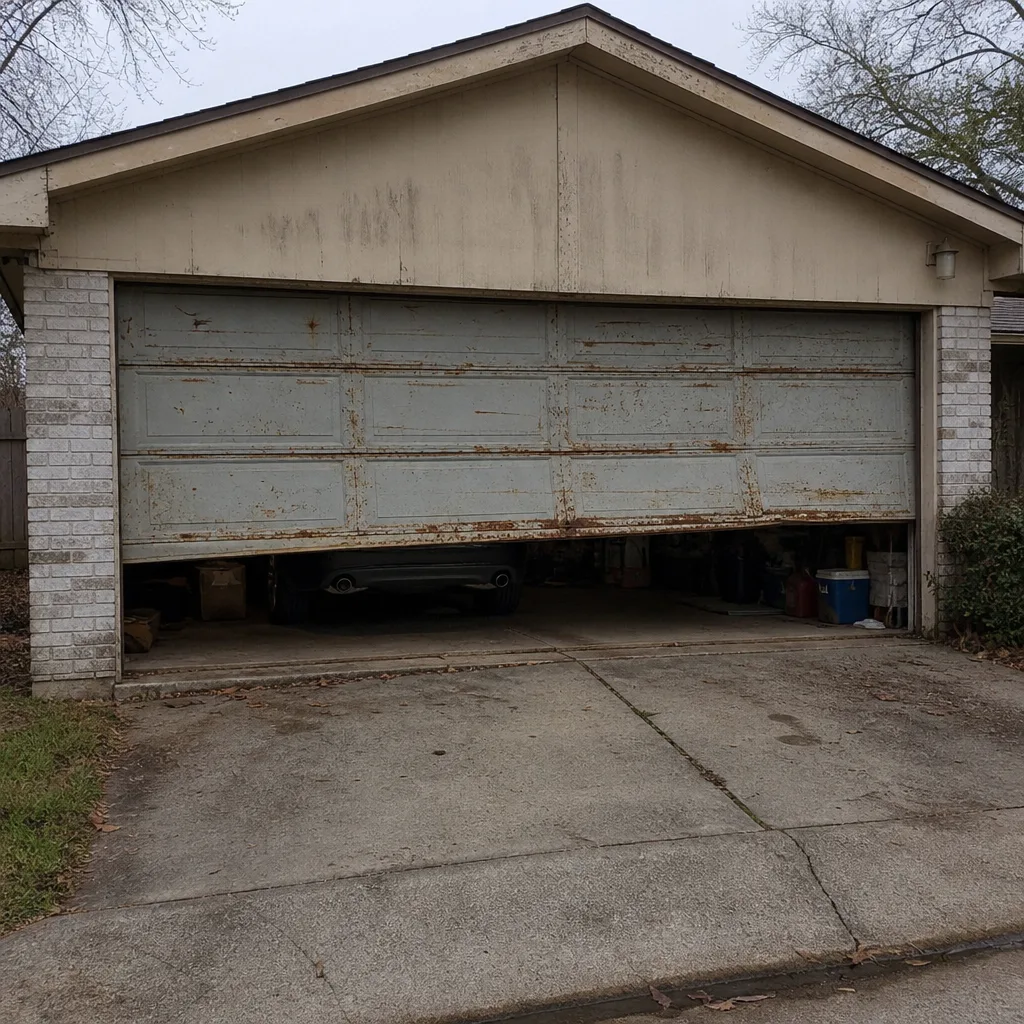 Before
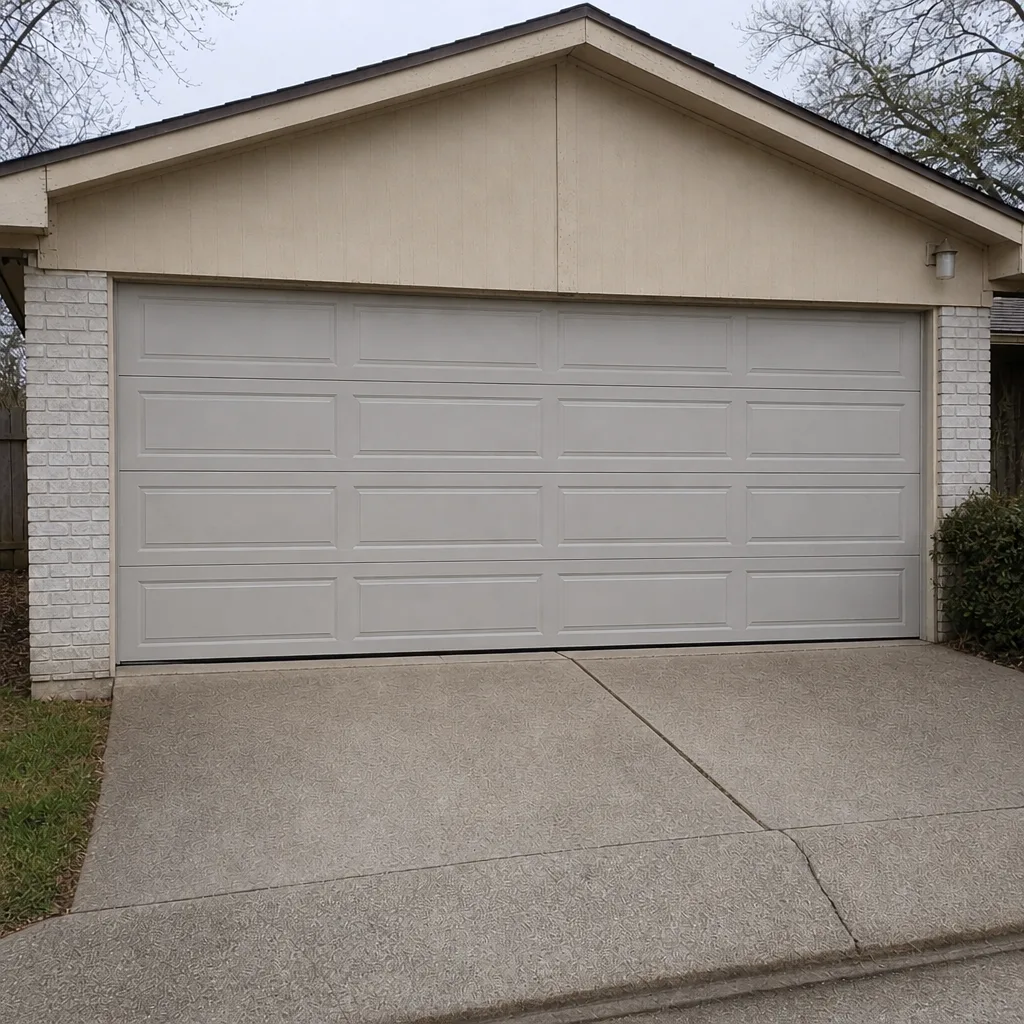 After
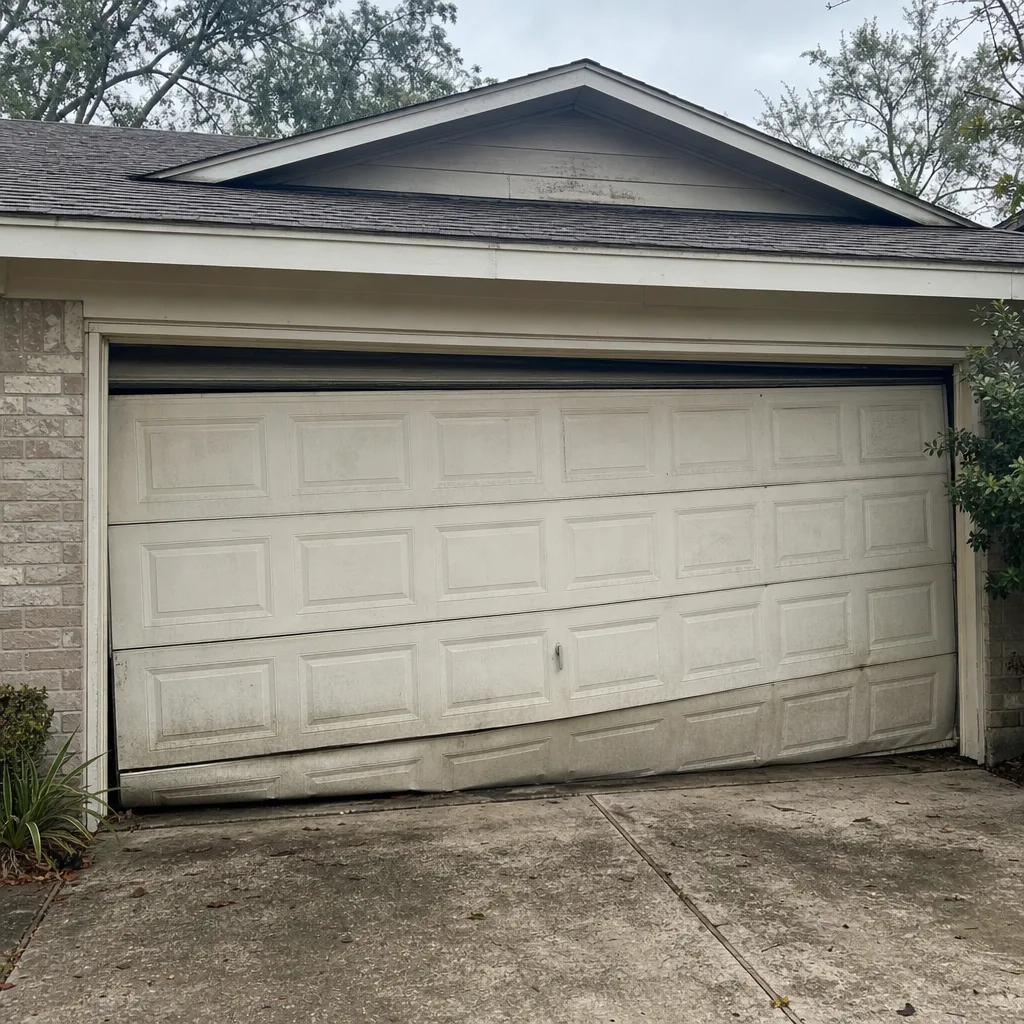 Before
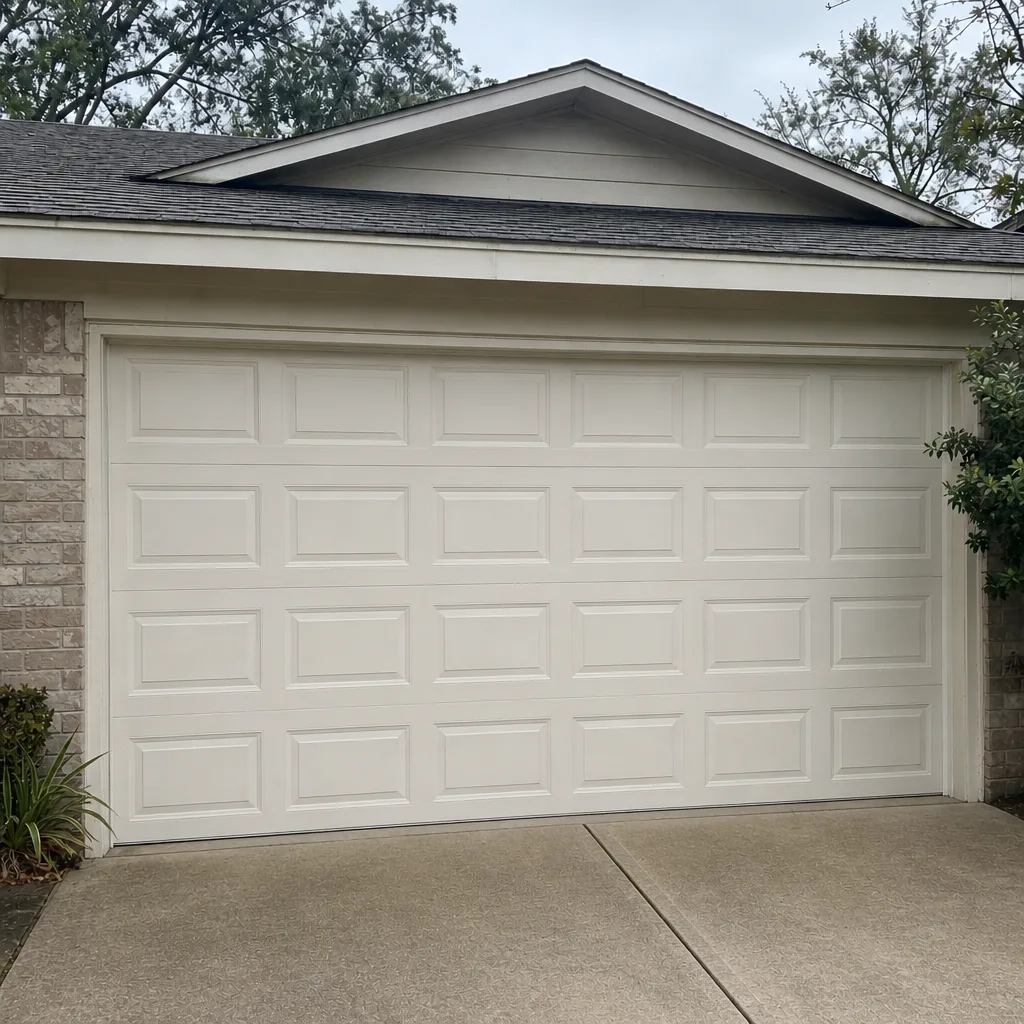 After
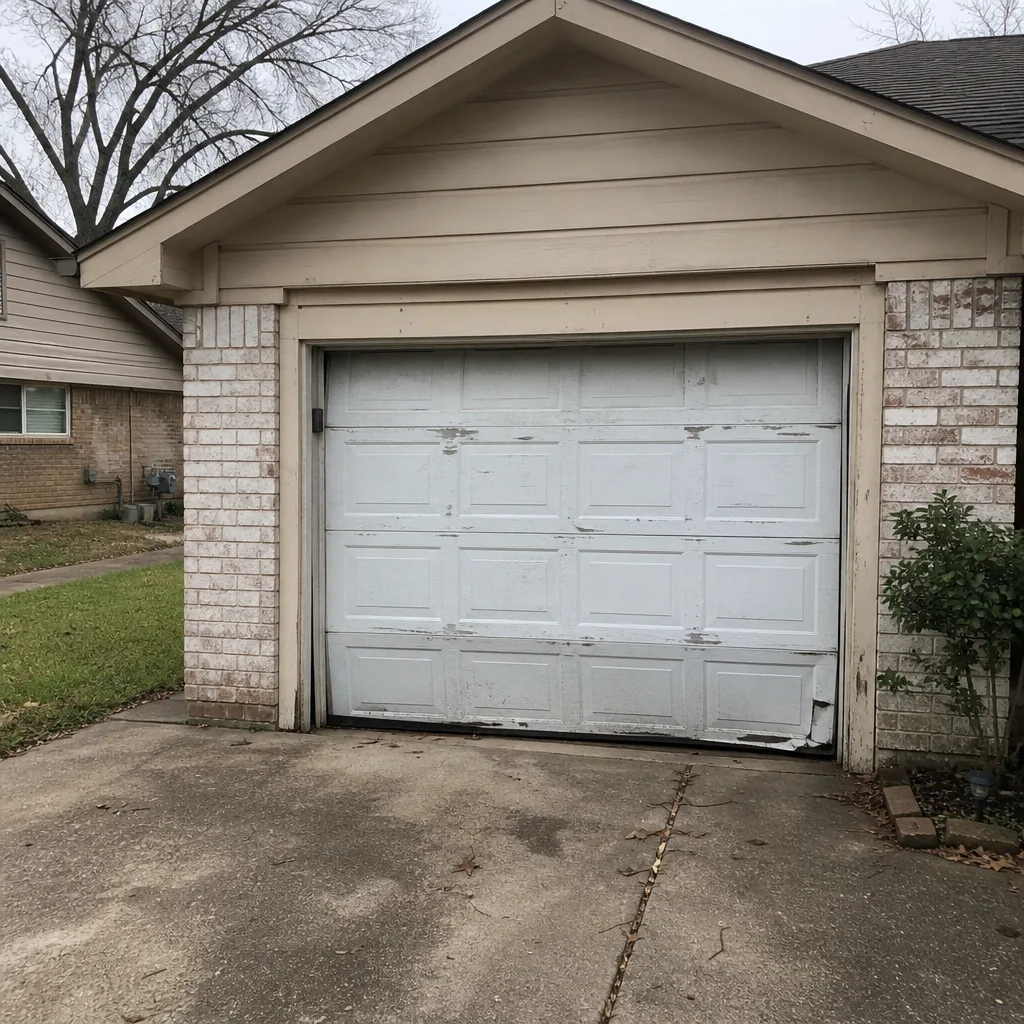 Before
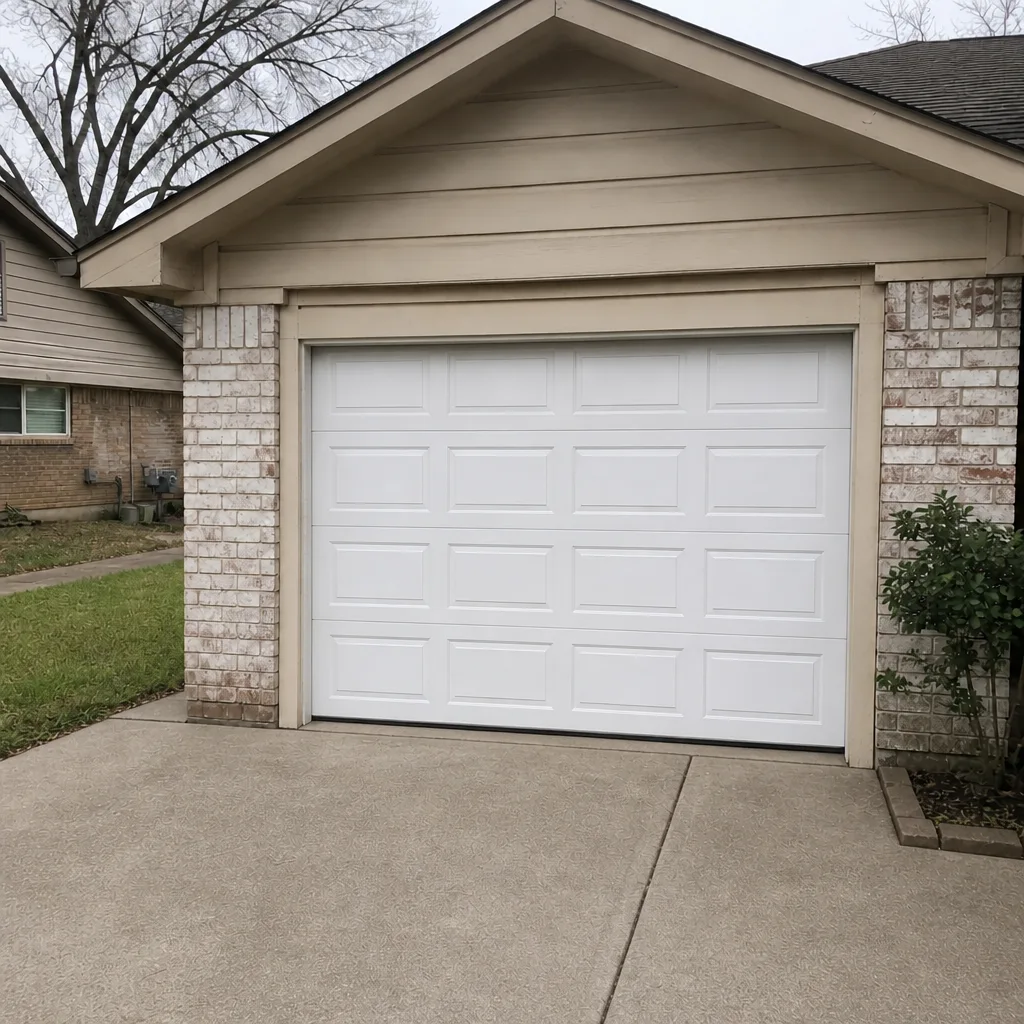 After
When to Call a Professional
Call a professional garage door specialist when the work touches springs, cables, torsion systems, or opener safety features, or when you aren’t sure whether a repair has crossed into structural territory. Spring and cable work is genuinely dangerous because of the tension involved, and even careful homeowners shouldn’t attempt it. Call us when the door won’t open or close, when a spring snaps, when the opener runs but the door doesn’t move, when you’ve bought a home with unclear door history, or when you’re planning a replacement and don’t know where to start with permitting. Sugar Land Garage Door Repair Co offers free estimates in Sugar Land. Call (833) 509-3010. We work on virtually every major brand, including LiftMaster, Chamberlain, Genie, and Clopay, so there’s no guesswork. Our technicians have up to 11 years of experience, and we’ll tell you honestly whether your job needs a permit, whether your HOA needs a say, and what the door itself actually needs. When it can’t wait, we also handle emergency garage door service.
Frequently Asked Questions
It depends on whether the opening is changing. A like-for-like garage door replacement on the same opening usually does not require a permit in Sugar Land or unincorporated Fort Bend County, but any change to the opening size, header, or structural attachment typically does. Confirm with the City of Sugar Land building department or Fort Bend County before you order. Call (833) 509-3010 if you want us to look at the installation first and tell you what we see.
Yes, in most Sugar Land master-planned communities, including First Colony, Riverstone, Telfair, Greatwood, Sienna, and New Territory, the architectural review committee needs to approve any new garage door before installation. HOA rules often go beyond city code on style, color, and material, and approval timelines vary from weekly to monthly. Get written approval before ordering the door. Call us if you want help identifying a compliant door style for your community.
The contractor who performs the work typically pulls the permit, but the homeowner carries final responsibility for making sure it was pulled and that the inspection passed. Ask any contractor in writing before work starts whether they’ll pull the permit, schedule the inspections, and hand you the final paperwork. If they hesitate, that’s your answer about how they handle permits in general. Call (833) 509-3010 and we’ll walk you through what to ask.
Misaligned photo-eye sensors, a door that doesn’t fully seal at the floor, and loose hardware are the leading causes of a failed final inspection. The photo-eye and auto-reverse features on modern openers are checked closely, and if they don’t function correctly, the final doesn’t pass regardless of how well the door hangs. Our garage door opener repair team verifies sensors and auto-reverse before scheduling inspection. Call (833) 509-3010 for a free estimate.
You can usually resolve this with a retroactive permit after a licensed contractor inspects the installation and, if needed, corrects any code issues. Pull any old permits through the City of Sugar Land or Fort Bend County, describe the work to the permitting authority, and have a specialist inspect the track, header, torsion, and opener safety features. If you’re in an HOA community, check the architectural records too. Call (833) 509-3010 and we’ll inspect and quote any corrections.
It can delay a closing, especially when the buyer’s inspector flags the door as a structural modification without documentation. The buyer’s lender may then require permit records the seller doesn’t have, forcing a retroactive permit and inspection process. Having the permit and final inspection in your home records lets you answer the question immediately. If you’re planning to sell and don’t know the door’s history, call (833) 509-3010 for a free inspection before listing.
The Bottom Line
In Sugar Land, the permit question comes down to one principle: repair stays repair, structural change becomes permitting. Matching like-for-like on springs, openers, and panels almost never touches the building department. Changing the opening or how the door attaches usually does. HOA architectural review runs on top of that and often goes further than the city ever will. Get HOA approval before ordering, ask your contractor in writing whether they’ll pull the permit, keep the final inspection with your home records, and if you’ve bought a home with unpermitted work, fix it before a buyer’s inspector finds it. The paperwork takes an afternoon. The problem it prevents can take months.
If you’re in Sugar Land and want a straight answer on whether your garage door job needs a permit, or you need service that’s done right the first time, call Sugar Land Garage Door Repair Co at (833) 509-3010. We handle springs, openers, panels, and full installations, and we’ll tell you honestly what’s repair, what’s replacement, and what needs a permit. Free estimates, and a written quote before any work starts.
Written by the team at Sugar Land Garage Door Repair Co.