Last updated November 21, 2026
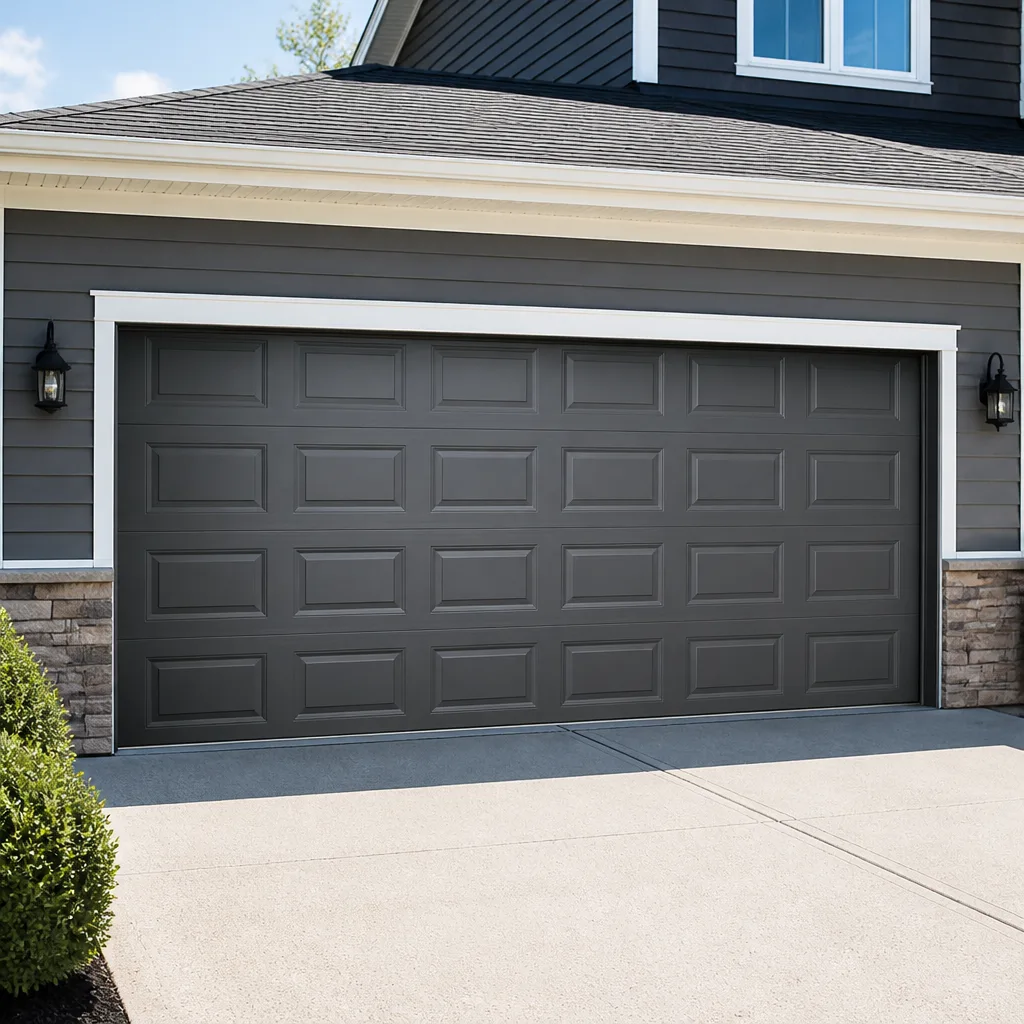 Raised-panel steel
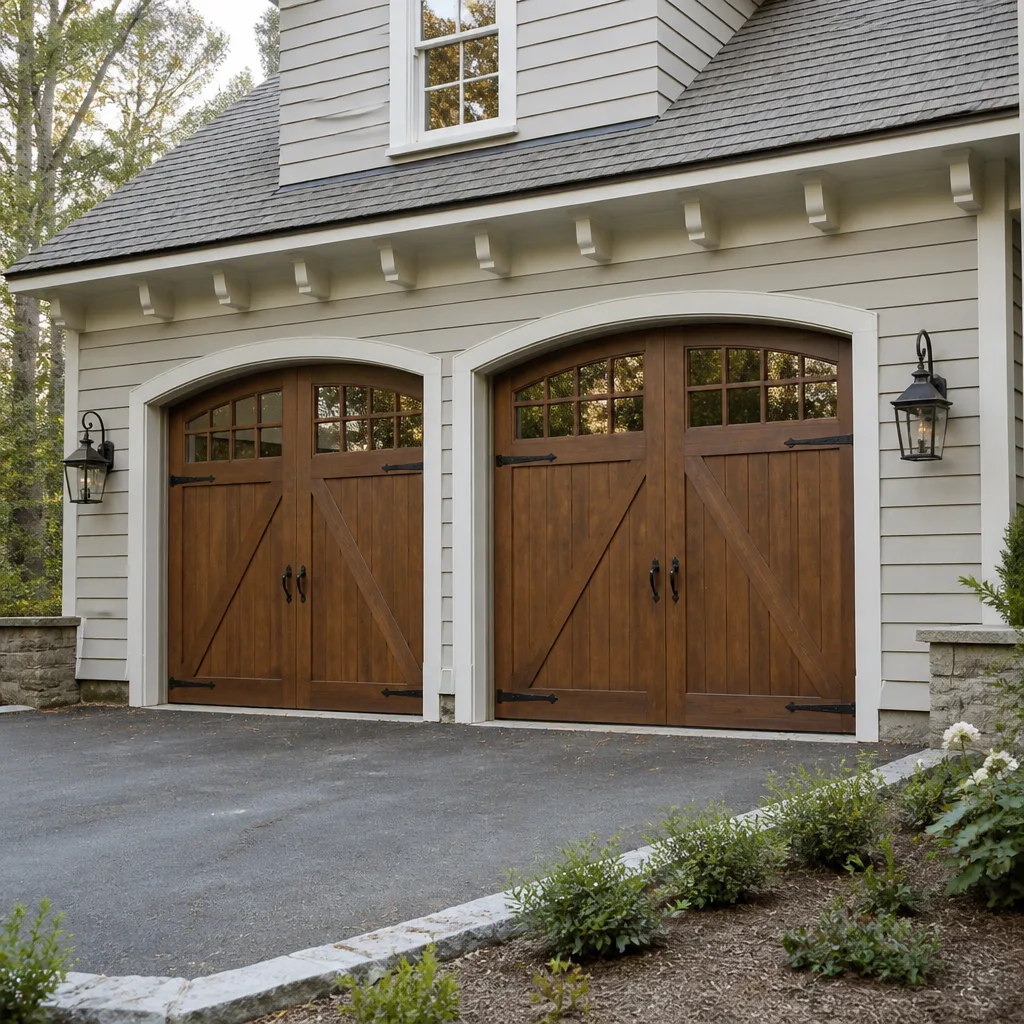 Carriage house
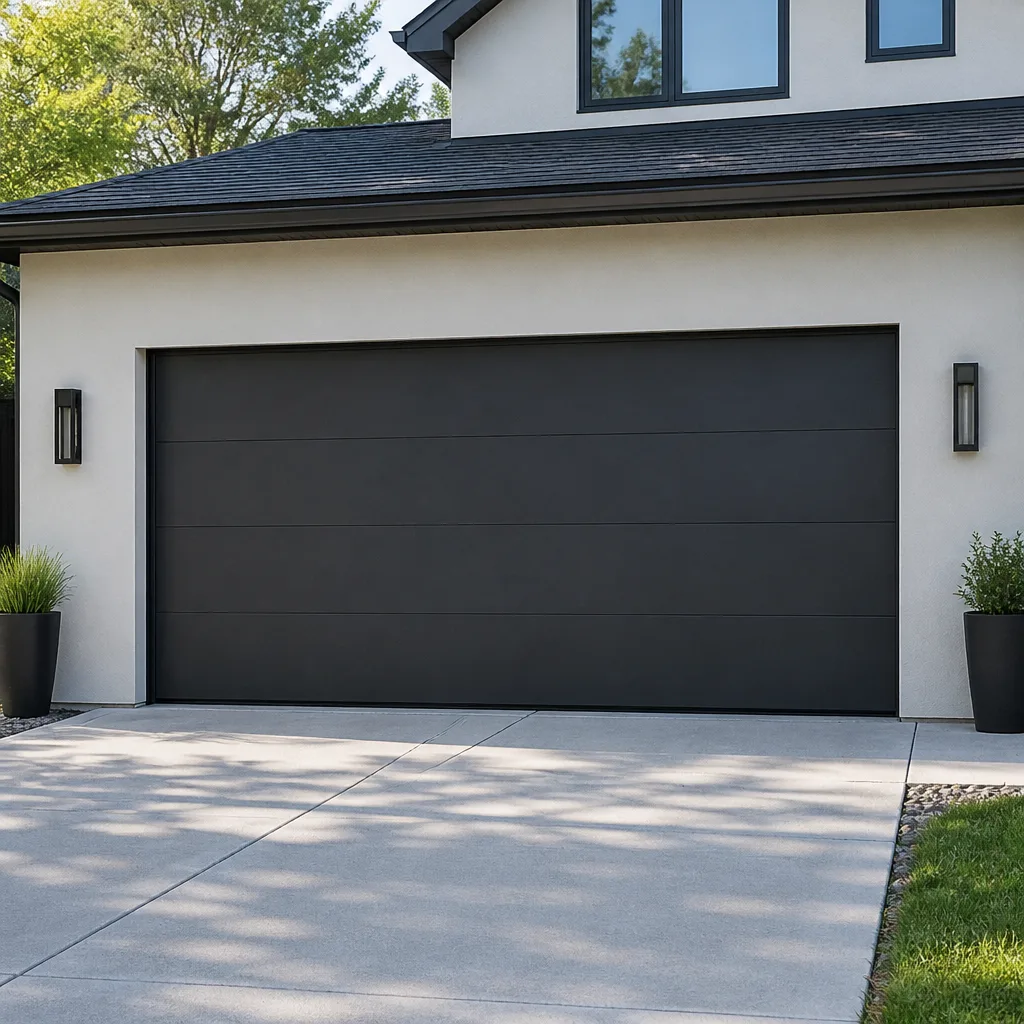 Modern flush
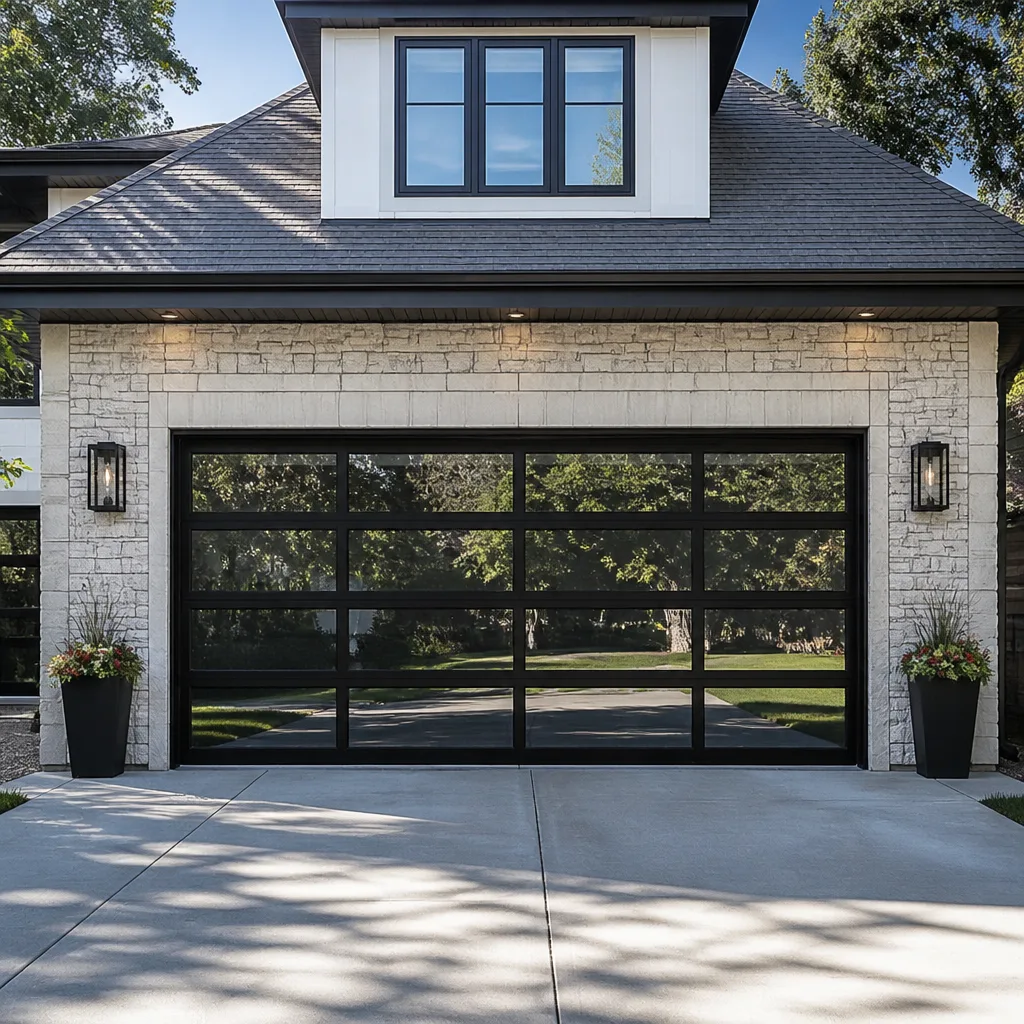 Full-view glass
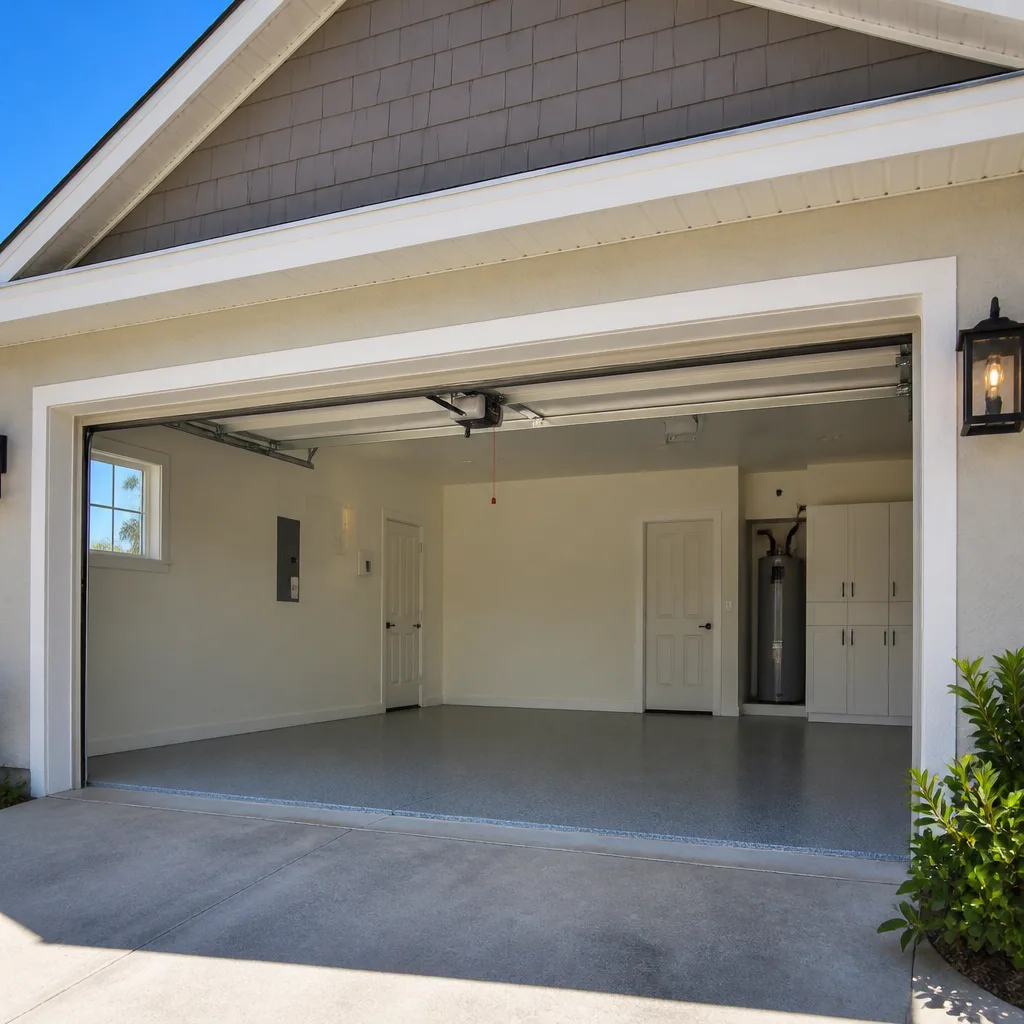 LiftMaster openers
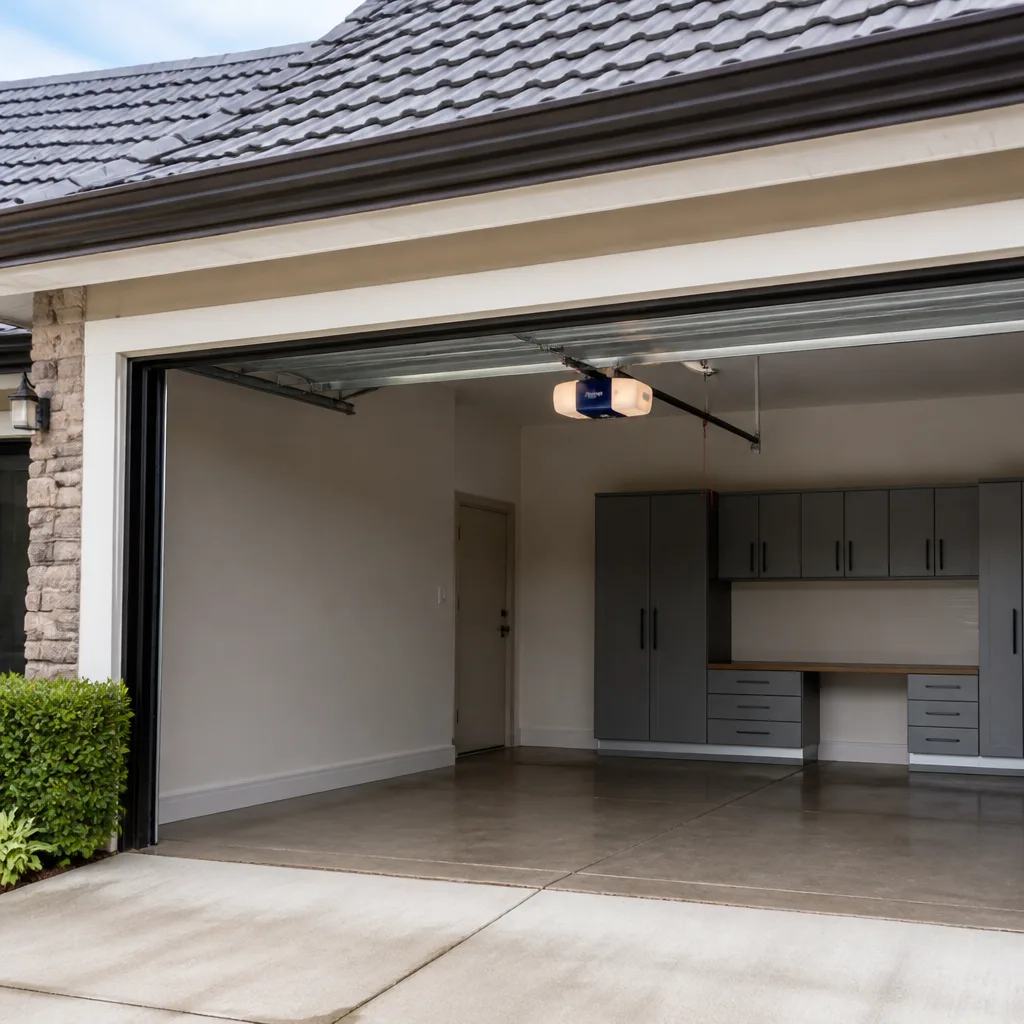 Chamberlain openers
Full 25-point door and opener safety check with every visit - springs, cables, rollers, tracks, and your LiftMaster or Chamberlain opener included
You get a price before we start. It does not change when the pro arrives.
Get your free estimateGarage Door Emergency Preparedness Guide for Sugar Land Homes
Most Sugar Land homeowners think a garage door emergency means a snapped spring or a dented panel. In our experience, the harder emergency is quieter: the power drops during a tropical storm, and the door is locked shut because nobody ever pulled the release cord. Prepare for that moment before the season starts and you’ll avoid the version of the story where the car is stuck inside and the manual is buried in a drawer. This guide covers the opener brands common in Sugar Land, what bracing really does in high wind, how to size battery backup for our outage pattern, and how to inspect the door after a storm passes. It’s written for homeowners who want a plan, not a panic.
Quick Answer
Garage door emergency preparedness in Sugar Land comes down to three things: knowing how to disengage your opener by hand, having battery backup sized for multi-day outages, and inspecting the door’s tracks, sensors, and bottom seal after any tropical event. Do those three and you can open the door when the grid is down and know whether it’s safe to run afterward. Skip them and a survivable storm becomes a stuck-car, stuck-house problem.
Styles & brands we work with
- Raised-panel steel
- Carriage house
- Modern flush
- Full-view glass
- LiftMaster openers
- Chamberlain openers
Table of Contents
- Why Sugar Land Storm Prep Starts at the Garage
- The Manual Disconnect: Chamberlain, LiftMaster, and Genie Differences
- Pre-Storm Bracing: What Works and What’s Security Theater
- Power Outage Protocol and Battery Backup Sizing
- Post-Storm Inspection Checklist
- Emergency Service Expectations During and After a Storm
- Your Pre-Season Prep Routine
- Common Mistakes to Avoid
Why Sugar Land Storm Prep Starts at the Garage
Sugar Land sits close enough to Gulf Coast storm tracks that tropical systems don’t feel hypothetical here. You’ve watched the forecast cone shift toward the Houston metro more than once, and you know what a landfall does to power. When the grid goes down across Fort Bend County, the garage stops being an afterthought and becomes a critical piece of infrastructure. It’s how you get the car out. It’s how you move a generator into position. For some homes, it’s the only door with a wide, flat threshold for hauling supplies through.
The catch is that a modern garage door is a powered system, and powered systems fail in exactly the way people don’t expect: quietly, and at the worst time. A door that works flawlessly every day gives no hint that its release mechanism needs a human hand to operate it until the moment it does. Neighborhoods like Riverstone, Telfair, and First Colony are full of homes with electric openers where the manual disconnect has never once been touched. That’s not a design flaw. It’s a practice gap. Storm prep is about closing it before the forecast starts turning.
Emergency garage door service exists for the situations where a door failure is a real safety or security problem, not an inconvenience. We’d rather you never need it mid-storm. That’s why we put the preparation steps first and the repair calls second. Here’s what a prepared Sugar Land garage actually looks like.
The Manual Disconnect: Chamberlain, LiftMaster, and Genie Differences
Every residential opener has a manual release, but the mechanism differs by brand and that difference matters when the power is out and you’re moving by flashlight. Learn yours now, in daylight, so the motion is muscle memory later.
On Chamberlain and LiftMaster units (the two share most internal design), look for the red or colored release handle hanging from the trolley. Pulling straight down and toward the door disengages the carriage so you can lift the door by hand. Integrated battery-backup models of these brands often keep the trolley under tension, so the pull should be firm and decisive, not tentative. On Genie openers, the release usually hangs from the rail assembly and works the same way in concept, but the handle geometry and the trolley style are different enough that a homeowner who’s only ever used one brand can fumble the other in the dark. Raynor and Craftsman systems follow similar principles, and because we work on virtually every major brand, we see these variations constantly. The procedure is a two-minute thing to learn and a very long thing to figure out by feel at 2 a.m.
Here’s how to practice it safely:
- With the door fully closed and the opener idle, find the release handle and note its exact location and color.
- Pull straight down until you feel the carriage disengage; you’ll hear a distinct click.
- Lift the door by hand just a few inches to confirm it moves freely, then lower it gently.
- Re-engage the trolley by running the opener a short distance until it reconnects, and confirm the door cycles normally.
- Repeat at the start of each storm season so the mechanism doesn’t seize from disuse.
One caution worth repeating: never force a door by hand on a broken spring or damaged cable. If you don’t already know how to safely test that, call us for a free estimate and we’ll get a trained specialist to look before the season turns.
Pre-Storm Bracing: What Works and What’s Security Theater
Bracing sells a feeling of safety, and some of it delivers. A lot of what’s marketed for residential doors doesn’t. We’ve seen doors with bracing that made the homeowner feel prepared and that would do nothing in a real high-wind event. You deserve the honest version.
What tends to help on a standard residential door: ensuring the door is fully closed and latched (an open door is a sail), checking that the bottom seal is intact and seating firmly, confirming the tracks and hinges are tight, and, on some door designs, temporary horizontal reinforcement that the door manufacturer actually endorses. What’s mostly theater: aftermarket strut kits slapped on without checking the door’s weight and balance, makeshift props braced against panels, and anything that keeps the door from sitting flat in its frame. A misaligned reinforcement can bend panels or stress the opener rather than protect the door.
Because Sugar Land homes use a wide range of door weights and panel styles, the right bracing depends on the specific door, not a universal kit. If you’re unsure, ask before the storm, not during. We’d rather tell you your door needs nothing than have you install something that damages it.
Power Outage Protocol and Battery Backup Sizing
This is the section that changes outcomes. Sugar Land has a history of extended outages during tropical events, and that history should drive your backup plan. A battery backup opener keeps you operating during a grid loss without ever touching the release cord. The question isn’t whether to have one. It’s how much runtime you need.
Sizing is straightforward when you know your pattern. Think about the longest outage you’ve personally experienced in Sugar Land and add a buffer. A backup sized to a few open-and-close cycles per day covers brief interruptions. A backup sized for multi-day resilience covers the extended event. Match battery capacity to the realistic worst case for your household, because a backup that dies on day two of a three-day outage didn’t actually solve the problem. Many modern LiftMaster and Chamberlain models offer integrated battery backup, and we can tell you whether your opener will support it or whether a different approach makes sense.
Your outage protocol, in order of steps:
- When the power drops, confirm whether your opener has battery backup before touching anything.
- If backed up, operate the door normally and conserve cycles.
- If not backed up, use the practiced manual release.
- After power returns, run the door one full cycle to verify the opener re-engaged the trolley and everything works before relying on it.
If it doesn’t operate correctly after restoring power, that’s a job for garage door opener repair. Call (833) 509-3010 for a free estimate and we’ll diagnose it without guesswork.
Post-Storm Inspection Checklist
After a tropical event passes, the temptation is to jump in the car and drive. Resist for ten minutes and inspect the door first. Storm stress reveals problems that were invisible on a calm day, and a quick check now prevents a failure later.
What to look at:
- Track alignment: Look down the vertical tracks for bends or dents; debris or wind load can misalign them, and running the door on a bent track damages panels.
- Photo-eye sensors: Clear any debris or water blocking the safety sensors near the door’s floor level, and confirm nothing is obstructing them before cycling the door.
- Bottom seal: Check for tears or gaps that let water and wind underneath; a damaged seal should be replaced.
- Cables and springs: Look for fraying, slack, or anything visibly off, and stop if you see it. Springs and cables are under extreme tension and are one of the most dangerous parts of a home to inspect closely, let alone touch. Leave those to a trained specialist.
- Panel condition: Note dents, bowing, or separation that the wind may have caused.
- Hardware: Tighten nothing by force, but note loose hinges or brackets to flag for a technician.
If everything checks out, run the door one full cycle and listen. Grinding, uneven travel, or hesitation are signs the storm left something wrong. That’s the point to schedule garage door repair rather than run it a dozen more times and make it worse.
Emergency Service Expectations During and After a Storm
Be realistic about what any contractor can do when a storm is actively bearing down on Sugar Land or has just passed. During the event itself, travel is dangerous and access can be blocked. Immediately after, demand spikes across the metro and everyone is calling at once. A realistic expectation is that true emergencies get prioritized by safety and security risk, not by first-call-first-served.
Prioritize your own triage this way:
- Is the door stuck open, leaving the home exposed? That’s the highest priority.
- Is the door stuck closed with a vehicle or person needing to get out? That’s urgent and often solvable with the manual disconnect before we arrive.
- Is the door damaged but operable and secure? That can wait for a scheduled visit.
- Is it a cosmetic or minor issue? That’s not an emergency; book it and we’ll get to it.
Emergency service exists for the situations where a failure is a safety or security problem. Call (833) 509-3010 and describe what you’re seeing. We’ll tell you honestly whether it can wait, and if it can’t, we’ll get a trained specialist moving.
Your Pre-Season Prep Routine
The best time to prepare for a Sugar Land storm is a quiet afternoon weeks before the season, not the night the forecast turns. A short routine done once covers you for the year.
- Walk the door and listen for odd noises on a normal cycle.
- Practice the manual release on your specific opener brand.
- Confirm battery backup capacity and replace old batteries.
- Clear debris from around the tracks and sensors.
- Inspect the bottom seal and note anything torn.
- Note whether the door sits flush and latches when closed.
- Write our number somewhere you’ll find it if the power is out.
If any step turns up a problem, that’s the moment for garage door spring repair or a full diagnostic before the season, not after. Our technicians have up to 11 years of experience, and we handle the entire door system, from a snapped spring to a complete replacement. Have a door that needs a full replacement or upgrade before storm season? We handle Sugar Land Garage Door Repair Co installations too, and we’ll measure, order, and schedule it properly so the work is done right, not rushed.
Common Mistakes to Avoid
- Never practicing the manual release. The time to learn how your opener disengages is in daylight, not in a blackout. Homeowners across Sugar Land discover this the hard way.
- Skipping battery backup. Relying on the release cord every outage means handling the door by hand when you least want to. Backed-up openers stay usable.
- Installing unendorsed bracing. Aftermarket reinforcement that isn’t matched to your door can damage panels or stress the opener, giving no real protection.
- Running a door on a damaged track. Cycling a misaligned door after a storm can bend panels and turn a small fix into a bigger one.
- Poking at springs or cables. These are under extreme tension and are among the most dangerous parts of a home to touch. That’s work for a trained specialist.
- Waiting until the storm is imminent. Demand spikes right before and after landfall. Prep in the calm, not the panic.
- Ignoring the bottom seal. A torn seal lets wind and water under the door and is easy to overlook until it’s a problem.
See the difference
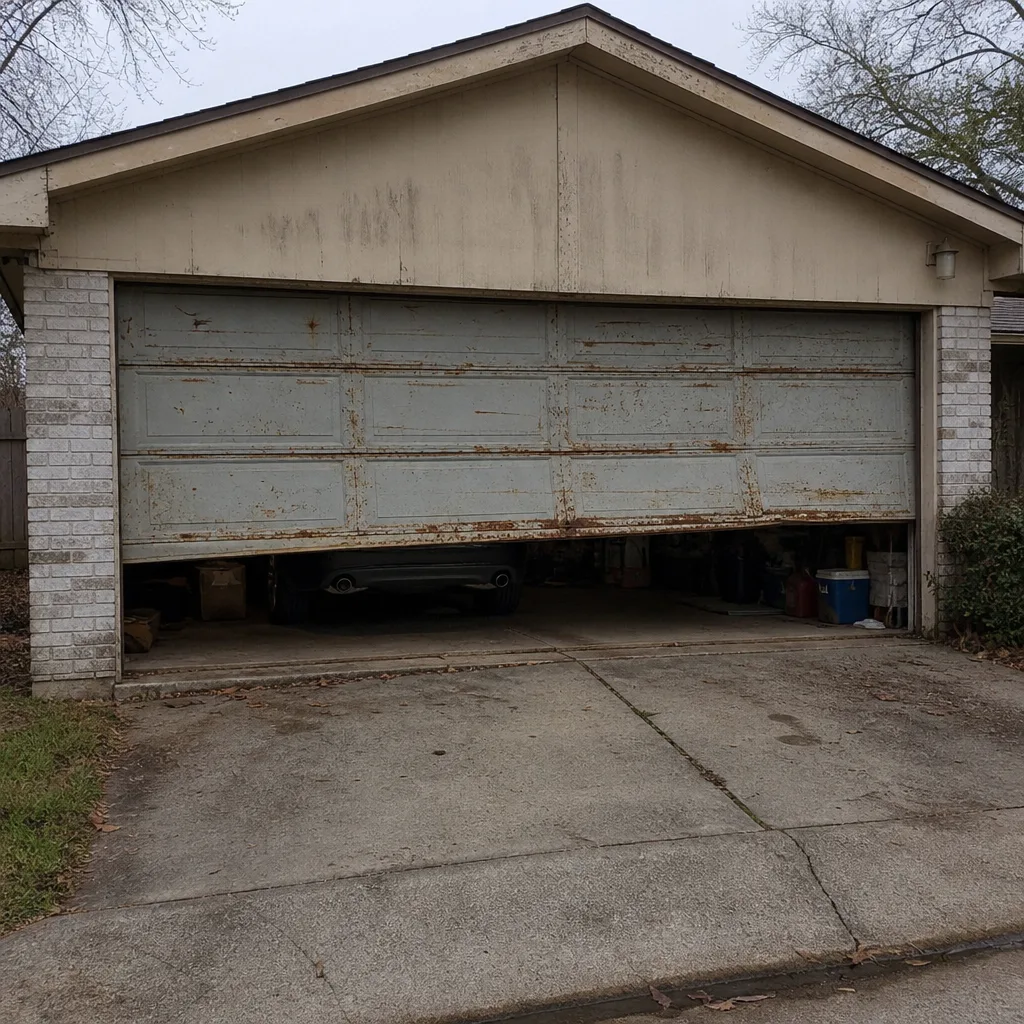 Before
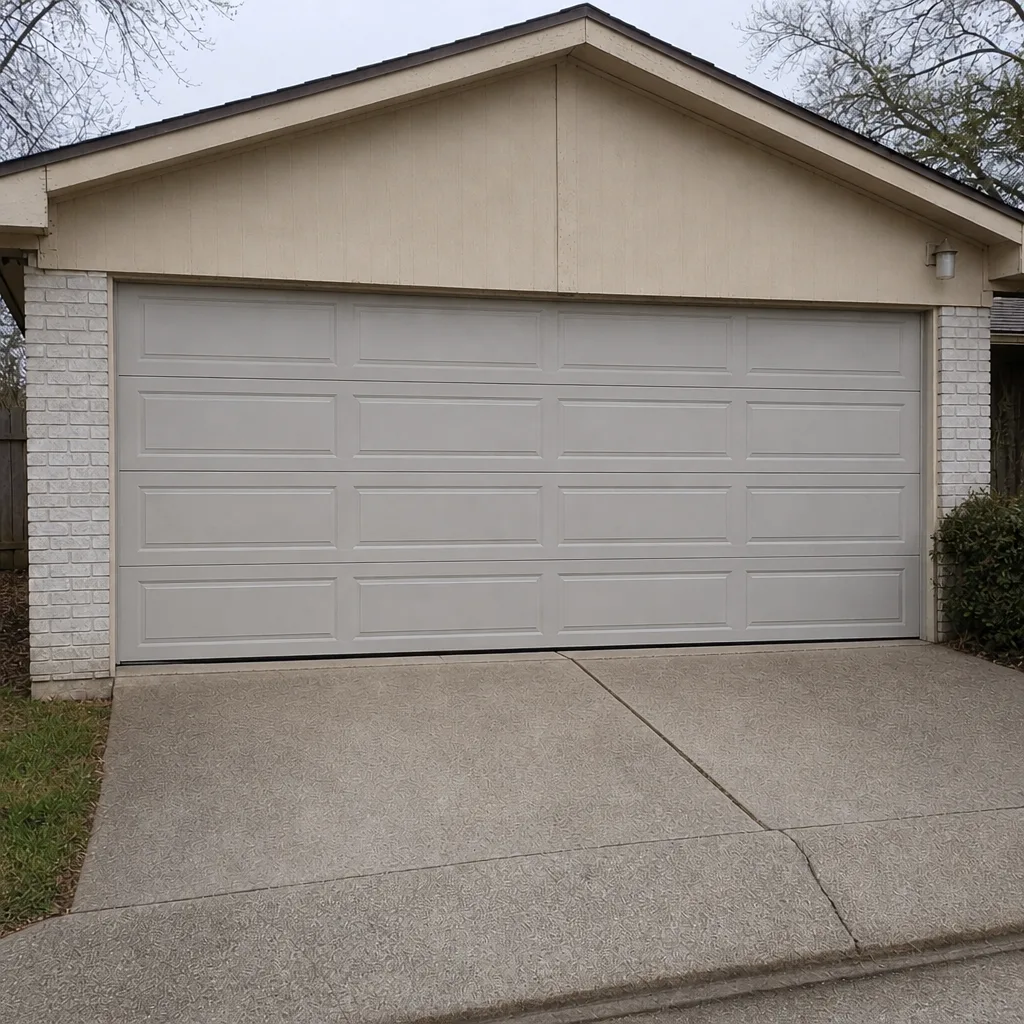 After
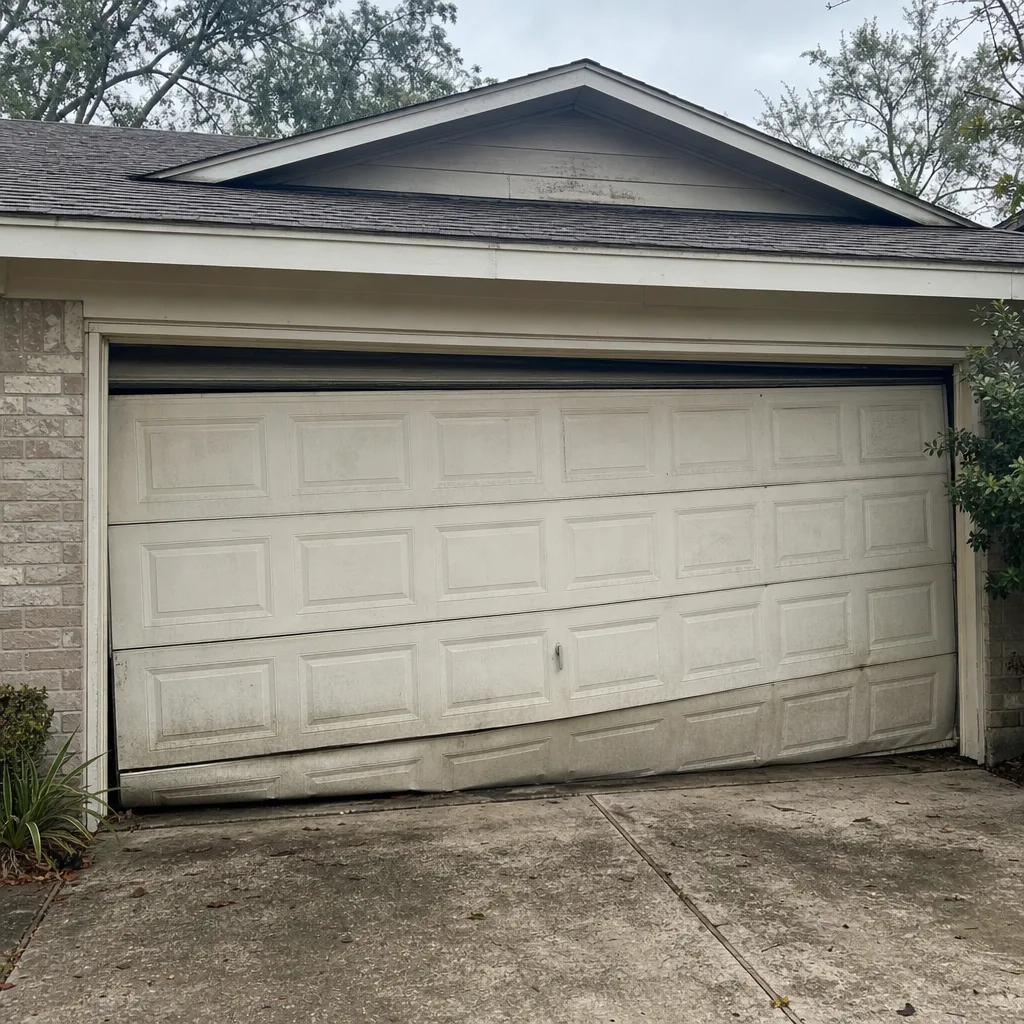 Before
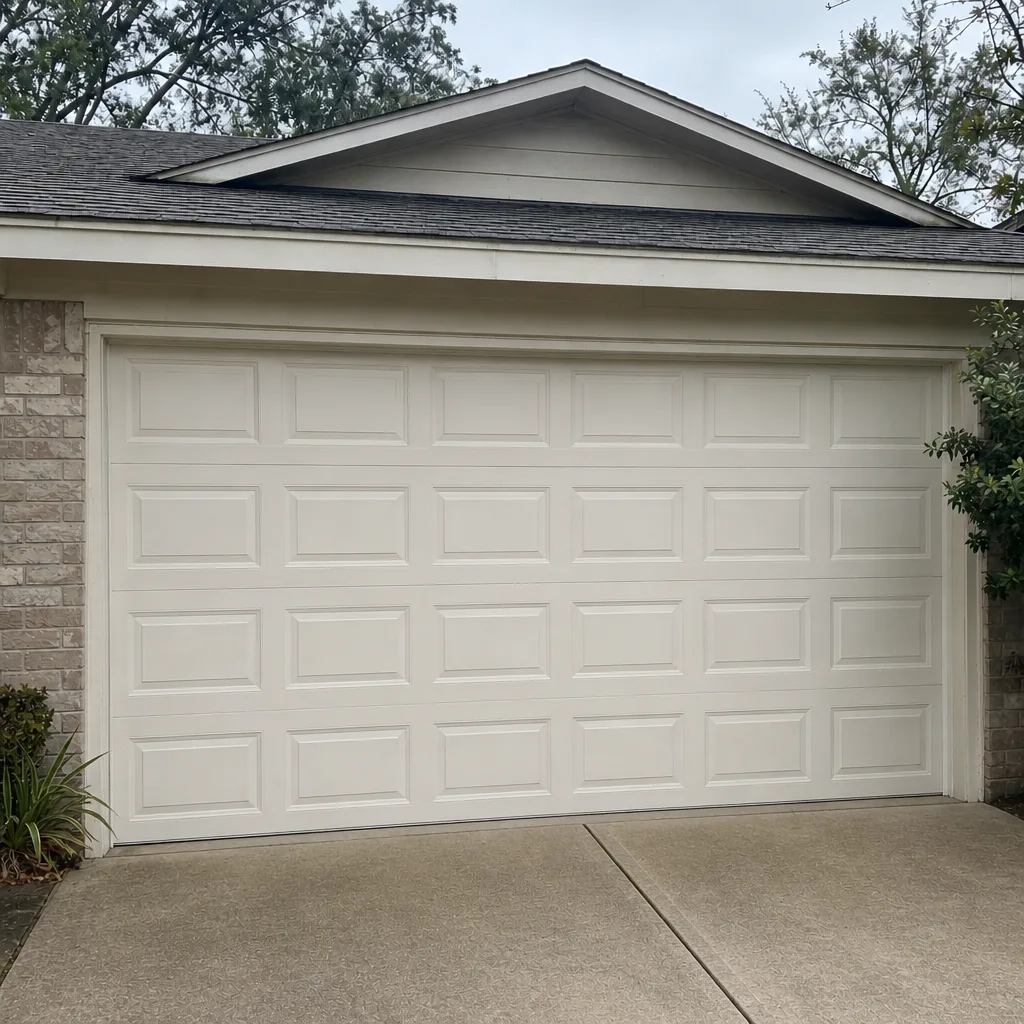 After
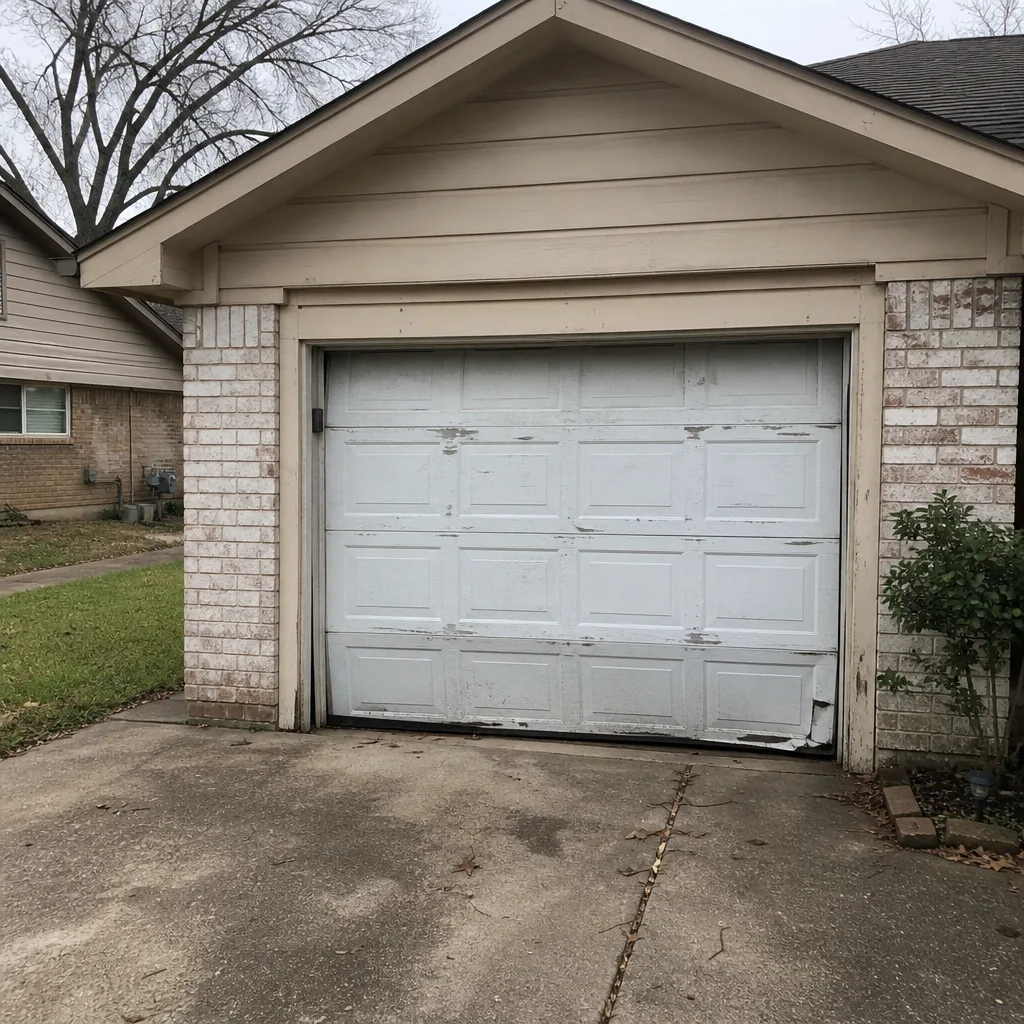 Before
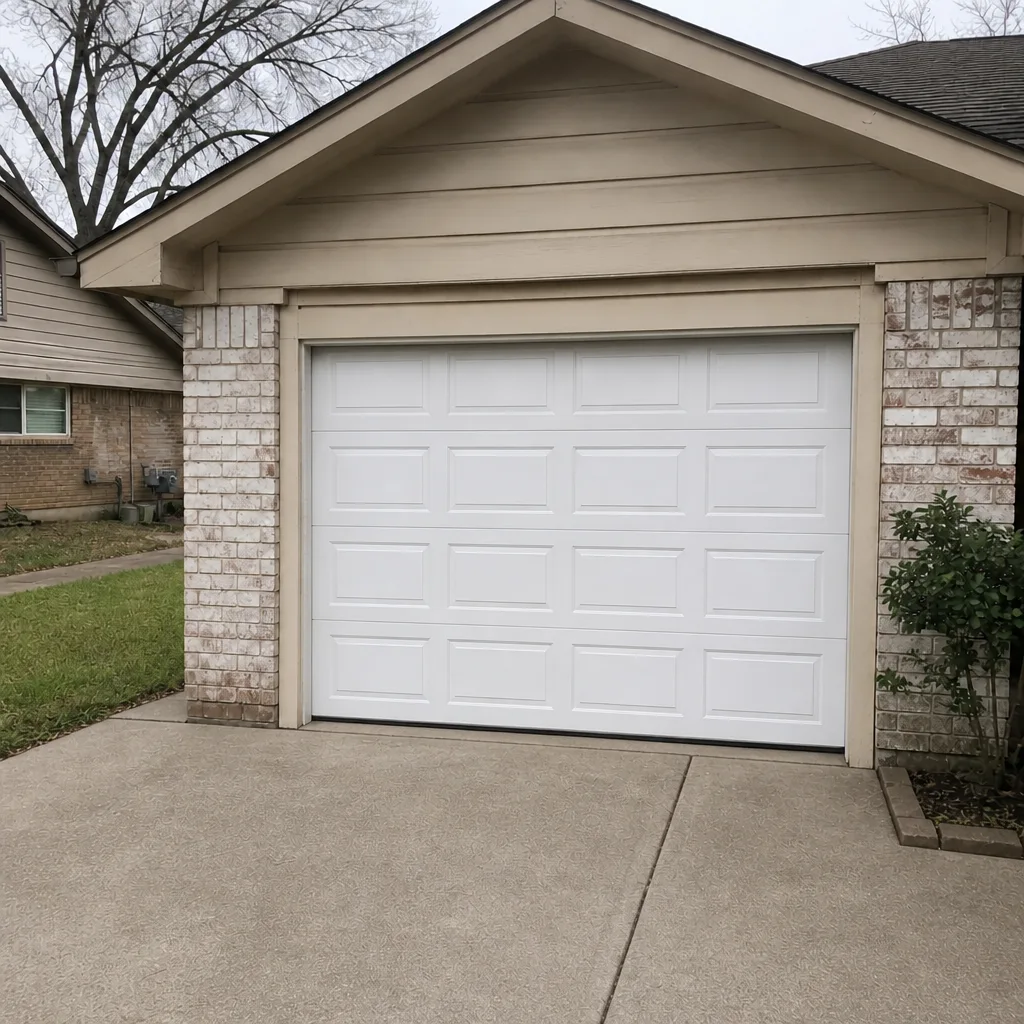 After
When to Call a Professional
Call a specialist when the problem involves the door’s tension system, when the door won’t operate safely even with the release, when a storm has left the track or panels damaged, or when your opener won’t restore correctly after a power event. Springs, cables, and structural track work are not homeowner jobs, no matter how handy you are. If you’re unsure whether it’s safe to run the door, that uncertainty is your answer. Sugar Land Garage Door Repair Co offers free estimates in Sugar Land, call (833) 509-3010. We diagnose the door correctly the first time and quote the price, agreed before any work starts.
Frequently Asked Questions
Pull the manual release handle hanging from the opener trolley to disengage the carriage, then lift the door by hand. The release is on every major opener brand, though Chamberlain, LiftMaster, and Genie units differ in handle location and trolley style. Practice it before a storm, and never force the door by hand if a spring or cable is damaged, call (833) 509-3010 for a free estimate.
It’s the single most useful upgrade for our power outage pattern during tropical events. A battery backup keeps the door operating without the release cord, and you should size the battery for the longest outage you’ve experienced plus a buffer. Call (833) 509-3010 and we’ll tell you whether your opener supports backup.
Check track alignment, clear the photo-eye sensors, inspect the bottom seal, and look for spring or cable damage before you run the door. If you see frayed cables, slack springs, or bent tracks, stop and call a specialist. Call (833) 509-3010 for a free estimate if anything looks off.
Effective bracing means a fully closed and latched door, an intact bottom seal, tight tracks and hinges, and, on some designs, manufacturer-endorsed temporary reinforcement. Aftermarket kits slapped on without matching the door’s weight and balance are mostly security theater. When in doubt, ask us before the storm, free estimates at (833) 509-3010.
Emergency service exists for situations where a failure is a real safety or security risk, but during the event itself travel and access can be blocked. We prioritize by risk, not by call order. Call (833) 509-3010, describe what you’re seeing, and we’ll tell you honestly whether it can wait.
The local pro we connect you with is licensed and insured as their state requires, and our technicians have up to 11 years of experience. We work on virtually every major brand, from LiftMaster and Chamberlain to Genie and Raynor. Call (833) 509-3010 for a free estimate and the price is quoted and agreed before any work starts.
The Bottom Line
Garage door emergency preparedness in Sugar Land is a small set of habits done before the season: practice the manual release on your opener brand, size battery backup to our real outage pattern, skip the bracing that’s theater, and inspect tracks, sensors, and seals after every storm. The door that’s ready when it matters was made ready on a quiet afternoon, not in the middle of a forecast. Do the prep now and you’ll be the household that opens the door when the grid is down, not the one stuck inside. When you need a specialist, we’re here.
Call (833) 509-3010 for a free estimate from Sugar Land Garage Door Repair Co. We diagnose the door correctly the first time, and the price is quoted and agreed before any work starts.
Written by the team at Sugar Land Garage Door Repair Co.